
Freshwater
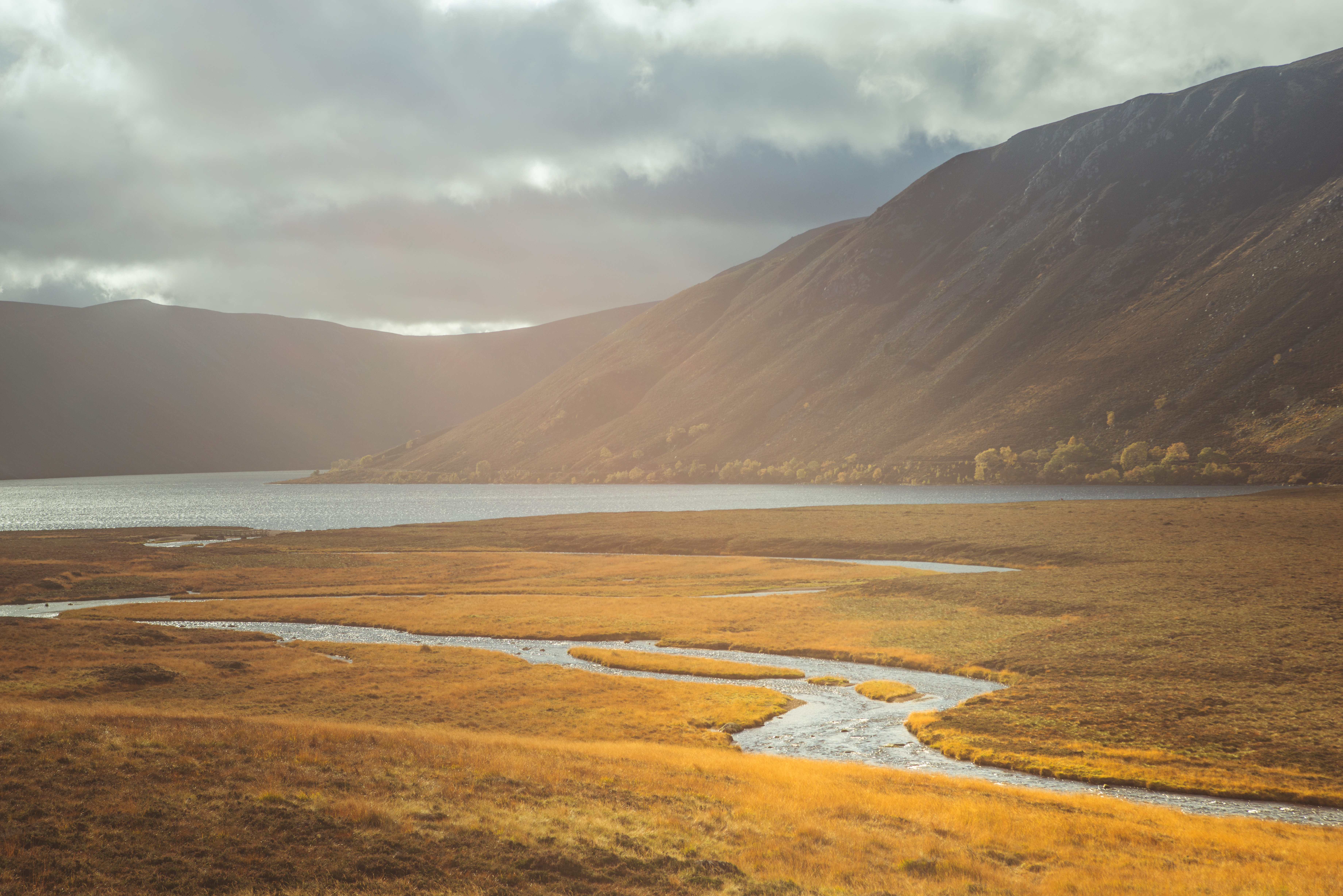
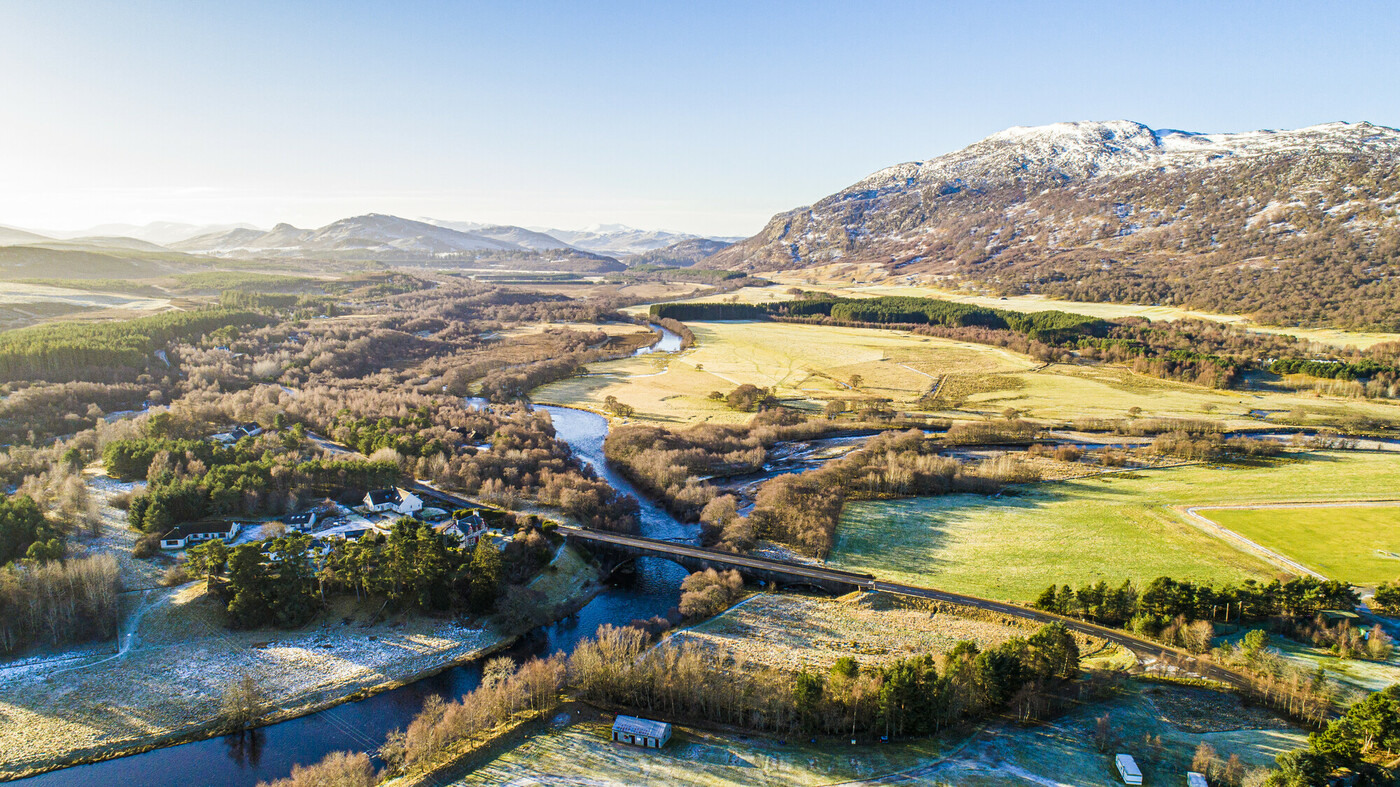
Known as the arteries of the landscape, freshwater systems act as a vital connector across the landscapes of the National Park. From rivers to lochs to burns, our waterways offer a range of unique habitats in the Cairngorms, joining up peatlands, woodlands, flood plains, grasslands and more to provide the lifeblood that many species of wildlife rely on for survival.
It isn’t just the quantity of freshwater that matters, it’s the quality. The National Park is home to some of the cleanest and most pristine waters in Europe, something that must be actively preserved and enhanced.
A network of rivers called the Spey, Dee, Don, Esk and Tay support an enormous range of species of birds, mammals and fish. From fast flowing rivers to trickling burns and clearwater lochs, the variety of habitats offer vital refuge to species like the northern damselfly, goldeneye, and famously the Atlantic salmon.
In a changing climate, the freshwater systems of the Cairngorms are increasingly important. The reintroduction of beavers by the Park Authority to the Cairngorms in December 2023 after an absence of more than 400 years marked a significant step in efforts to restore and re-naturalise the freshwater environments of the area. Known as ecosystem engineers, beavers have an ability to change the environment around them, slowing water flows and improving water quality, with many knock on benefits for other species, like insects who make homes in the deadwood, and the bats and birds who eat the insects!
Featured
Things to do
The Cairngorms National Park has plenty to inspire adventures for visitors and residents.
Cairngorms National Park Partnership Plan, 2027 - 32
Have your say on the draft Partnership Plan; consultation closes 13 January 2027.
What we do
From pioneering conservation projects to community engagement and active travel, find out more about the range of work happening across the National Park.
As rich and important as the freshwater landscapes of the Cairngorms are in ecological terms, they also hold huge significance for the people of the area, past and present. Steeped in folklore, from the faeries said to wash their clothes in An Lochan Uaine (green loch) giving it a vibrant emerald colour, to the kelpies of Loch Muick preparing to entice strangers into the depths of the water, the National Park’s lochs have long been the inspiration for songs and stories that are still told today.
On stormy days these waters are steely grey, dark and choppy, but where the wind has dropped, and the sun shines brightly, the views of Caledonian forest reflected in the clear waters of the National Park are unrivalled. These landscapes offer sanctuary and peace to those who need it, thrill and adventure to the outdoor enthusiasts drawn to the water, and, vitally, the support system that nature and indeed all of us, depends on.