Campfires and barbecues
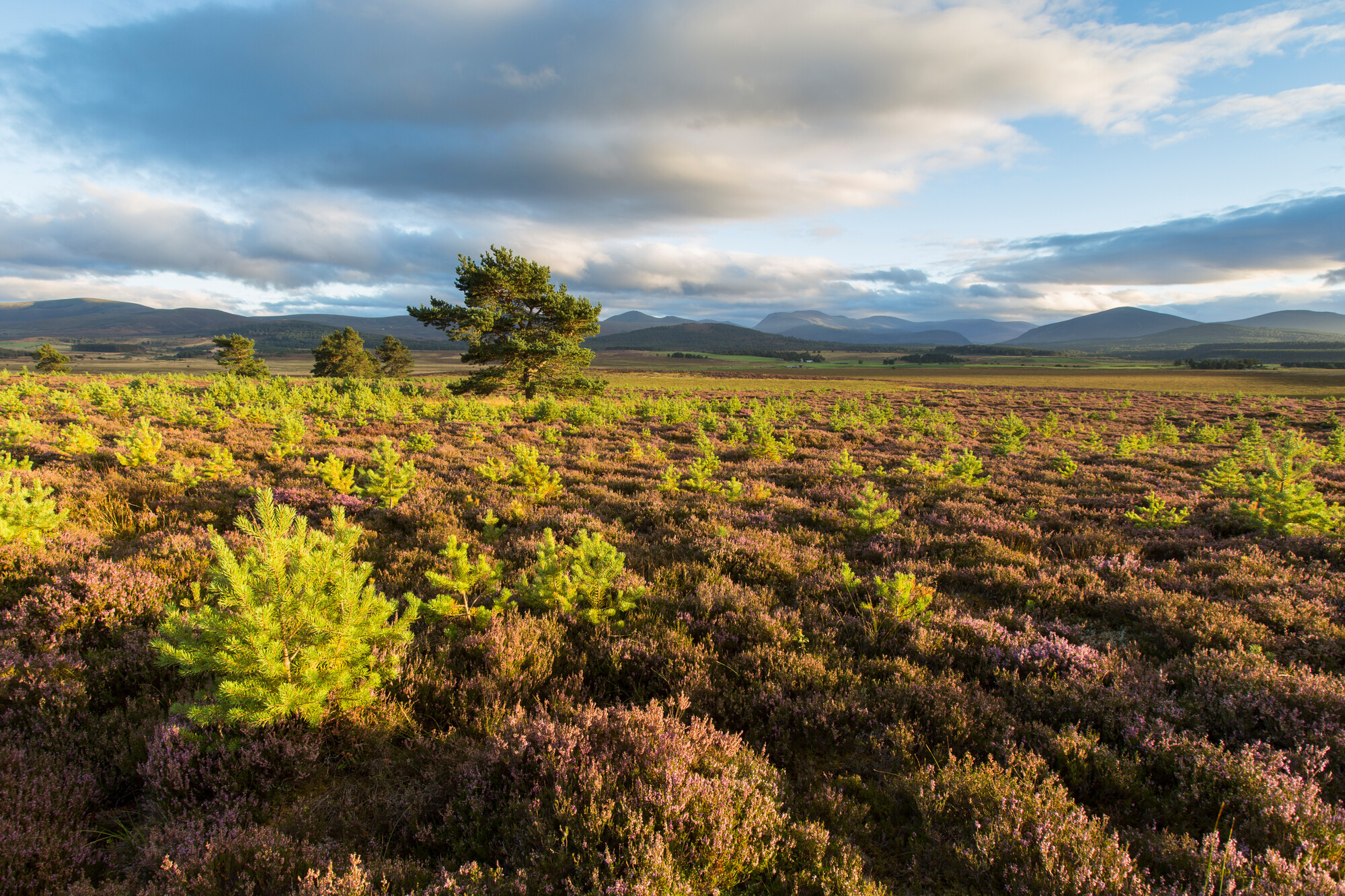
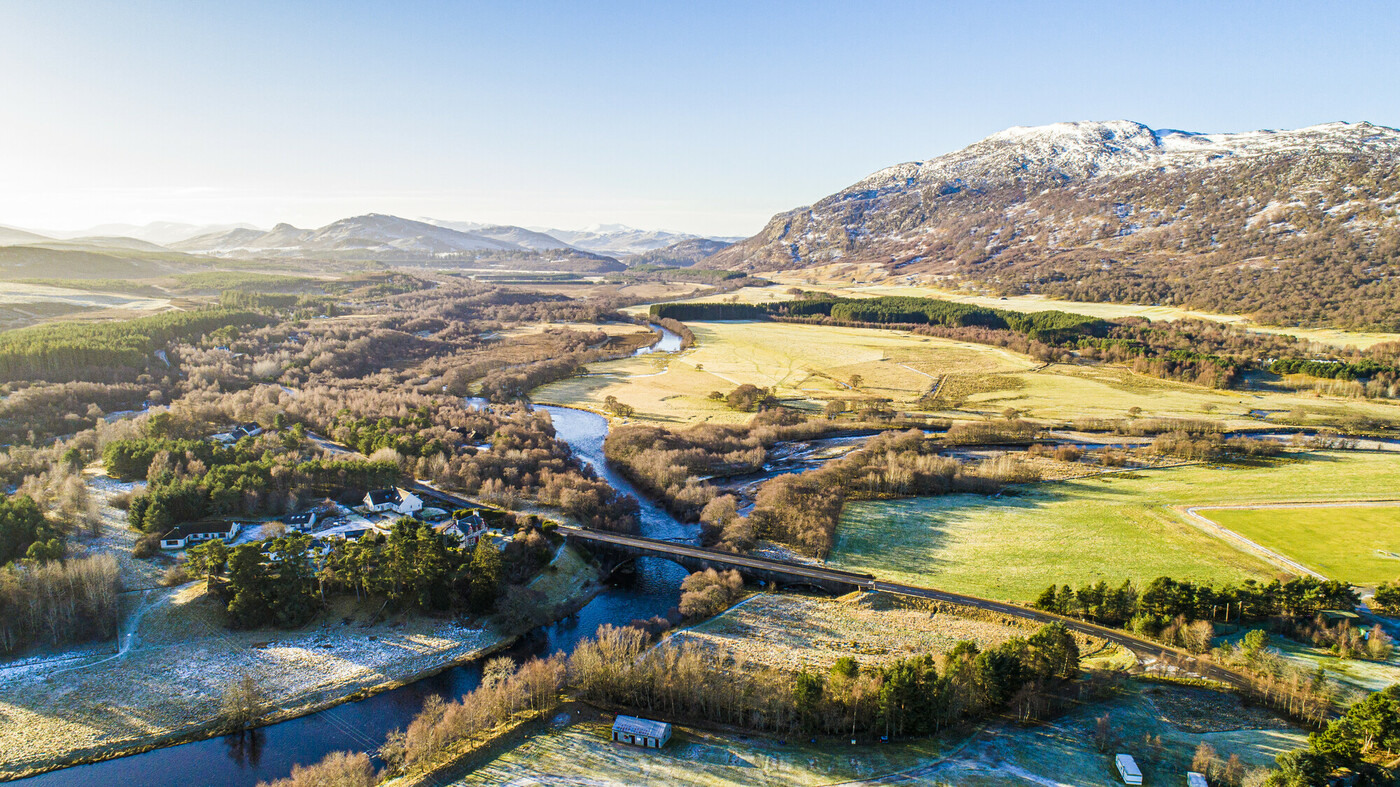
The Cairngorms National Park is famous for our forests, but in a changing climate the risk of wildfires is increasing. Even in cold weather there is a risk of wildfires that have the power to burn through woodlands, vegetation and peatlands, damaging internationally important habitats, killing wildlife and impacting people’s property and livelihoods.
Between 1 April and 30 September each year, fires and barbecues are banned in the National Park as part of a fire management byelaw. Breaking the byelaw could result in a fine of up to £500. Even outwith this period, there is still almost nowhere in the National Park where you could light a fire responsibly, even on stony river banks and beaches with water nearby. We would ask you to help set a good example to others by not lighting a campfire anywhere, anytime. For more information - including frequently asked questions.
Tackling the threat of wildfires is a collective effort. Please spread the word to ensure everyone who visits, lives in and loves the National Park plays their part:
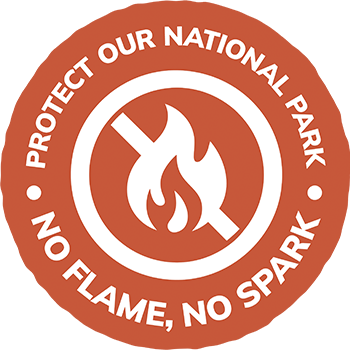
- Remember the rhyme: 'Protect our National Park. No flame, no spark'.
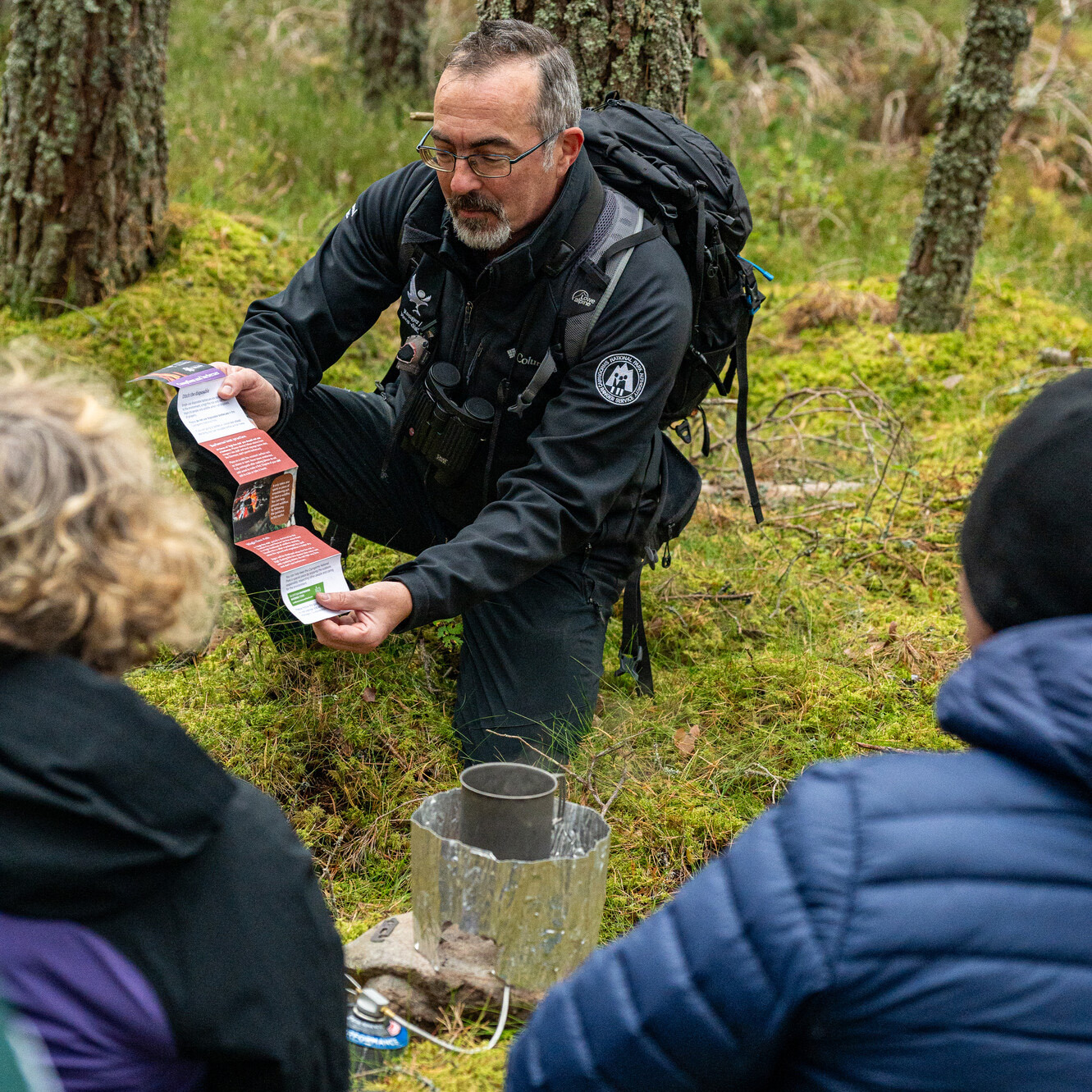
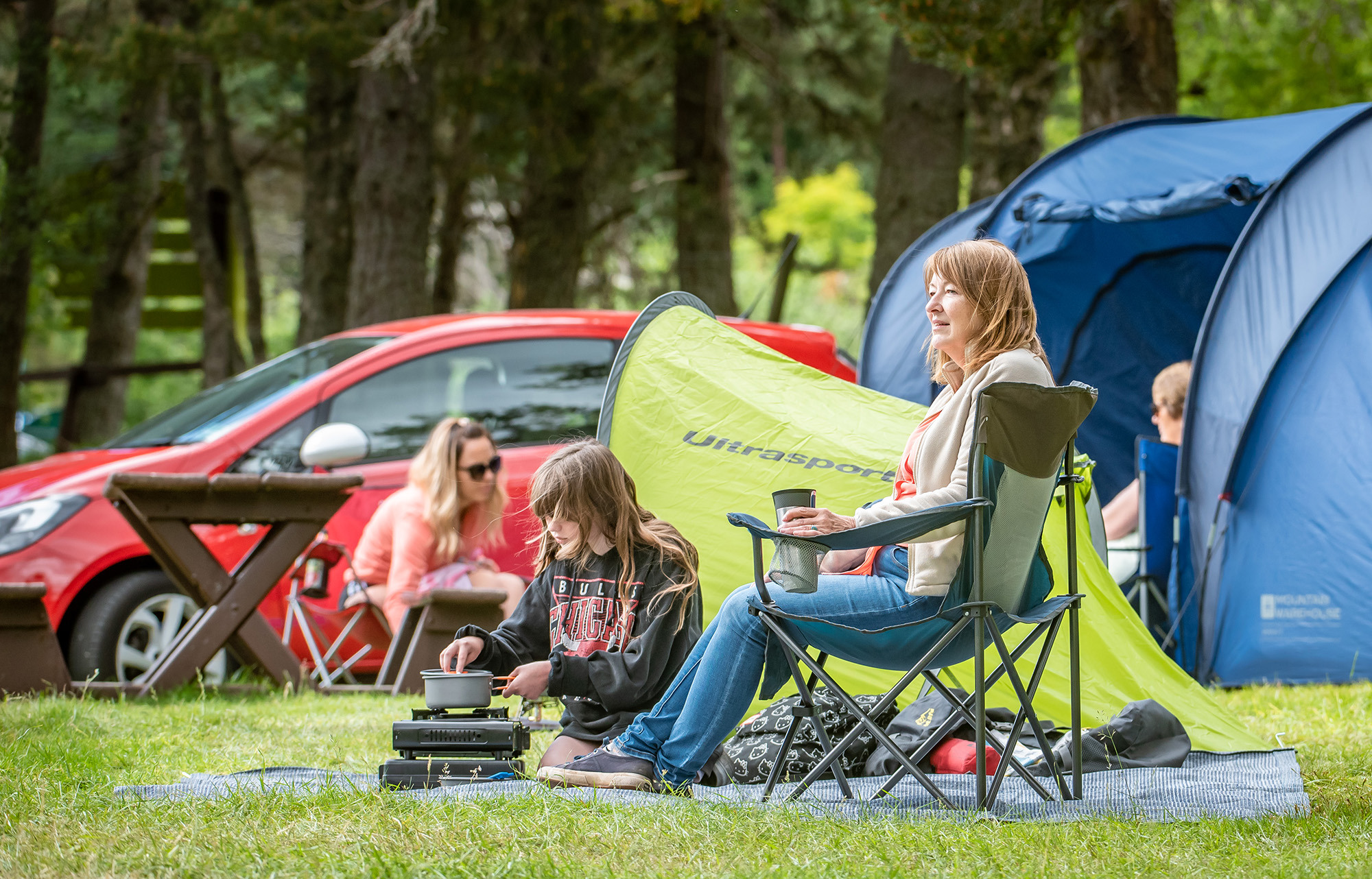
- Do not light fires or barbecues in the National Park. If you need to cook, use a camping stove as these are a much safer alternative.
- If you see a fire, call 999. If you see or suspect someone acting suspiciously or irresponsibly - including lighting a campfire - contact Police Scotland on 101 or Scotland Crimestoppers on 0800 555 111.
- Always follow advice from rangers, site staff and local signs.
- Pay attention to the Scottish Fire and Rescue Service fire alerts and, particularly at times of high fire risk, take extra care with stoves.
- If you run a business or community space or are a landowner, check out our partner resources.
- In winter remember the Scottish Outdoor Access Code says that you should never light a campfire in woods, on peaty ground, farmland, cultural heritage sites, near buildings or when there is a high fire risk. Outwith the fire byelaw period there is still almost nowhere in the National Park where you could light a fire responsibly. We would ask you to help set a good example to others by not lighting a campfire anywhere, anytime.
Featured
Things to do
The Cairngorms National Park has plenty to inspire adventures for visitors and residents.
Cairngorms National Park Partnership Plan, 2027 - 32
Have your say on the draft Partnership Plan; consultation closes 13 January 2027.
What we do
From pioneering conservation projects to community engagement and active travel, find out more about the range of work happening across the National Park.
Scottish Fire and Rescue Service
Latest news and safety information from the Scottish Fire and Rescue Service
Scottish Outdoor Access Code
Learn more about responsible access to the outdoors