Invertebrates
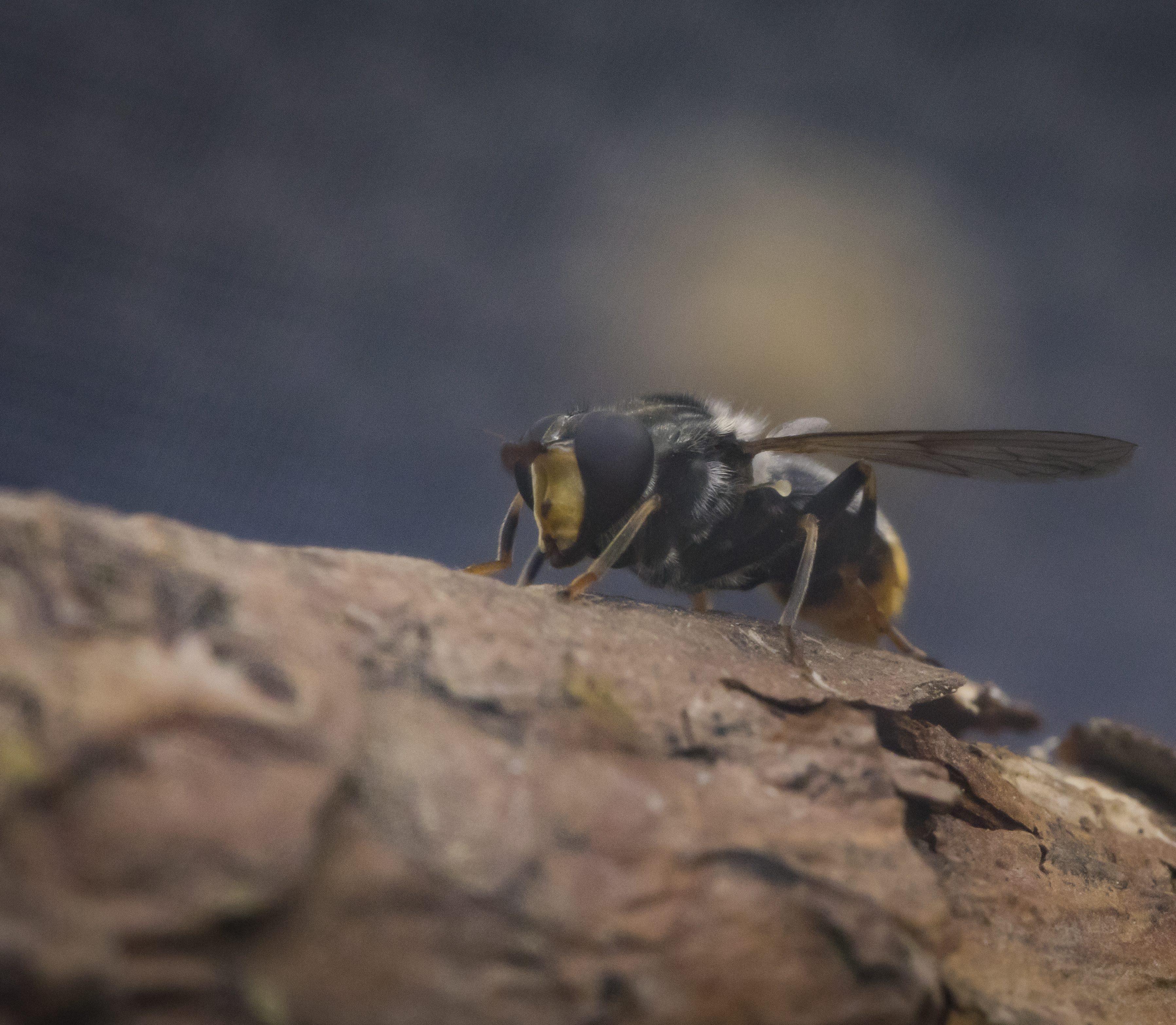
The smaller and less fluffy creatures of the National Park - the invertebrates - are often overlooked. Some species rely on specific trees and plants that live in the Cairngorms for their existence, such as the dark bordered beauty moth and the aspen hoverfly that need aspen trees to survive, others just need an abundance of deadwood to thrive.
The Cairngorms National Park is one of the main strongholds for some of UK's rarest insects, including the Kentish Glory and Dark-bordered Beauty moths, Northern Damselfly, Small Scabious Mining Bee and Shining Guest Ant. Invertebrates are a key focus species for conservation work.
Alert
Relevant alerts
-
The Scottish Fire and Rescue Service has issued a wildfire warning impacting areas of the National Park on Friday 29 May until Monday 1 June. If you are out and about in the Cairngorms National Park please observe the following guidance:
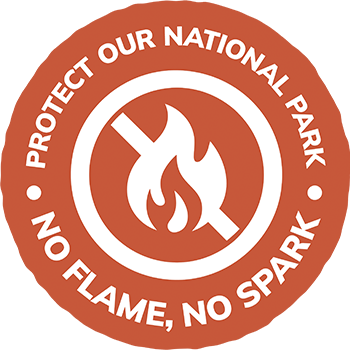
- Do not light any fire or barbecue, in line with the new fire byelaw
- Always ensure cigarettes are fully extinguished and take your litter (including glass) away with you
- Enjoy the outdoors responsibly - most wildfires are caused by human activity
- Stay alert - with dry vegetation and warm weather, fires can start easily, spread rapidly, and burn intensely
- If you see a wildfire, dial 999
For further updates on wildfire risk across Scotland, visit the Scottish Fire and Rescue Service website. To find out more about the fire byelaw, and to see your questions answered, visit our fire byelaw page here.