Deer stalking
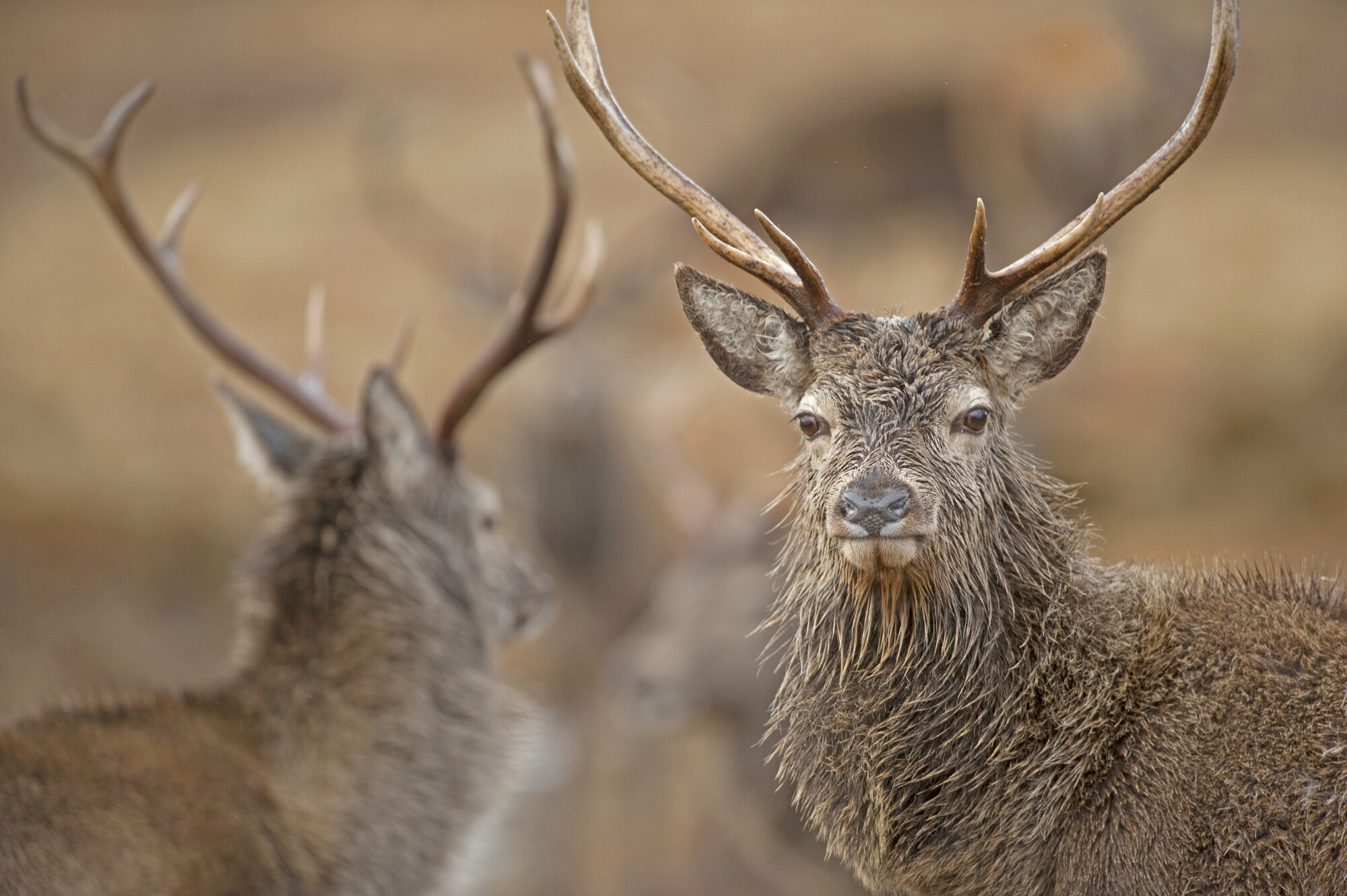
Deer stalking is common across many estates in Scotland, and many hill walking destinations in the National Park, particularly in summer and autumn.
Though red deer stalking can take place all year round, the two key stalking periods are October for stags, and January and early February for hinds. Stalking doesn’t usually take place on a Sunday, but this is not the case on all estates so it’s always worth double checking.
To ensure disturbance is kept to a minimum, and to keep yourself safe, we ask that you:
- Plan ahead and find out if any stalking is taking place on the land you are hoping to visit.
- Have a plan b, and adapt your route accordingly.
- Follow signage and instruction from the landowners and land managers, and use the alternative routes if provided.
- Avoid crossing land where stalking is taking place.
- Proceed with caution.
Alert
Featured
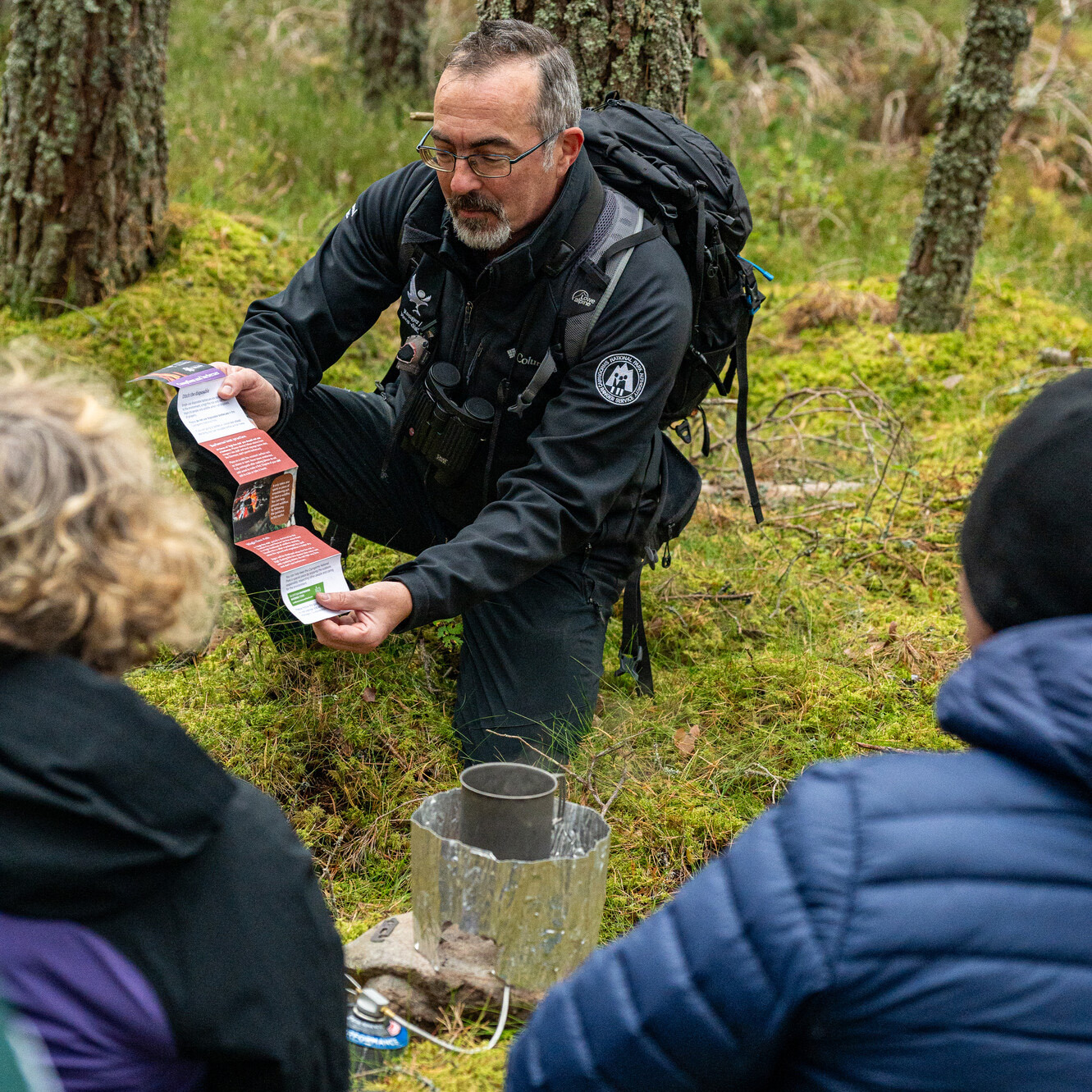
The new fire byelaw
How the Cairngorms National Park Authority and its partners are tackling the threat of wildfires, including details on the recreational fire management byelaw, in place from 1 April to 30 September each year.
Wildlife
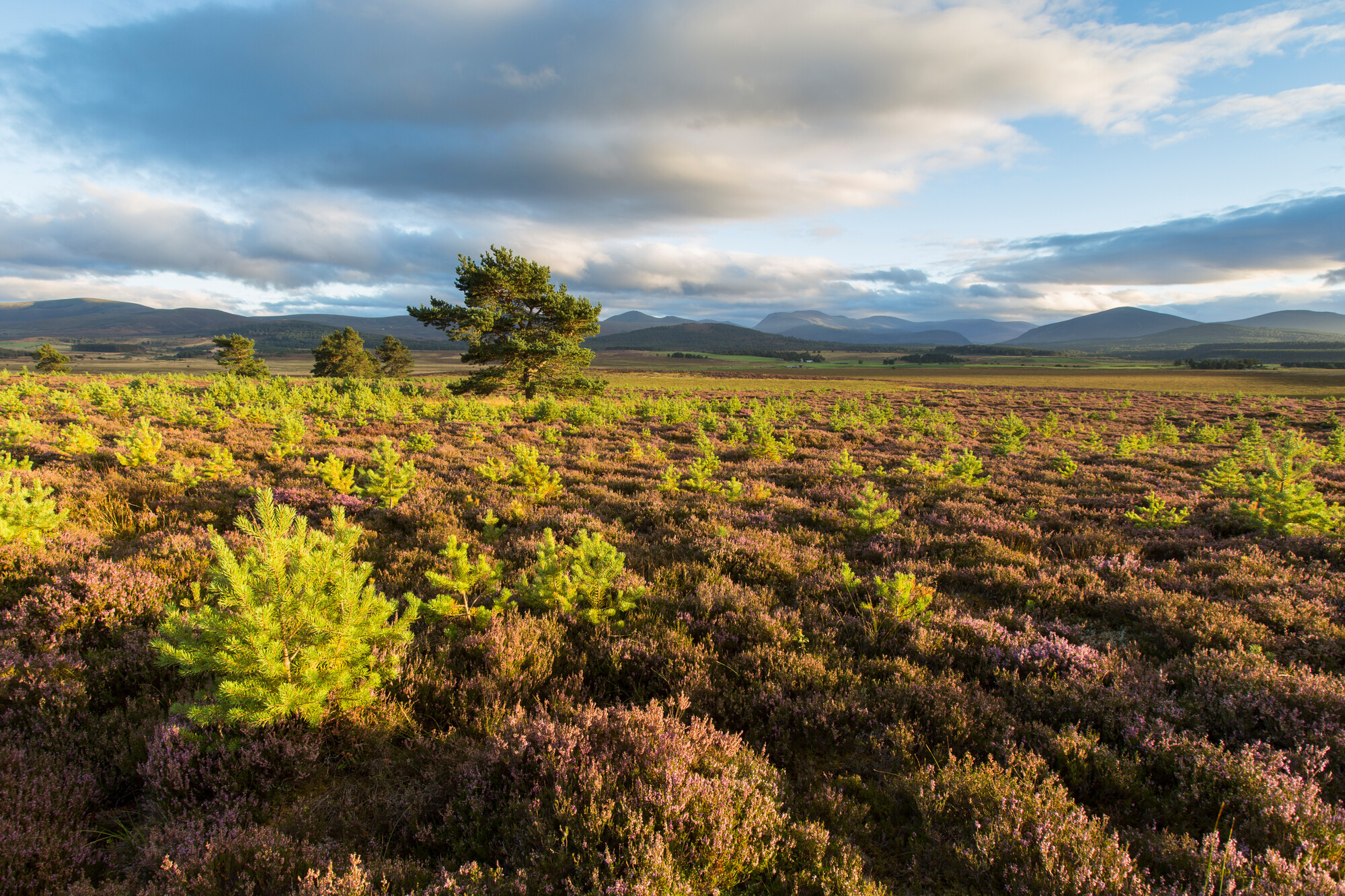
The Cairngorms National Park is home to a quarter of the UK’s rare and endangered species. Its rich habitats are a haven for an array of wildlife, from iconic birds to elusive plants and flowers.
Scottish Outdoor Access Code
Find out more on deer stalking

Heading for the Scottish Hills
Information on where deer stalking is taking place in Scotland
Relevant alerts
-
The Scottish Fire and Rescue Service has issued a wildfire warning impacting areas of the National Park on Friday 29 May until Monday 1 June. If you are out and about in the Cairngorms National Park please observe the following guidance:
- Do not light any fire or barbecue, in line with the new fire byelaw
- Always ensure cigarettes are fully extinguished and take your litter (including glass) away with you
- Enjoy the outdoors responsibly - most wildfires are caused by human activity
- Stay alert - with dry vegetation and warm weather, fires can start easily, spread rapidly, and burn intensely
- If you see a wildfire, dial 999
For further updates on wildfire risk across Scotland, visit the Scottish Fire and Rescue Service website. To find out more about the fire byelaw, and to see your questions answered, visit our fire byelaw page here.