
Transport and active travel
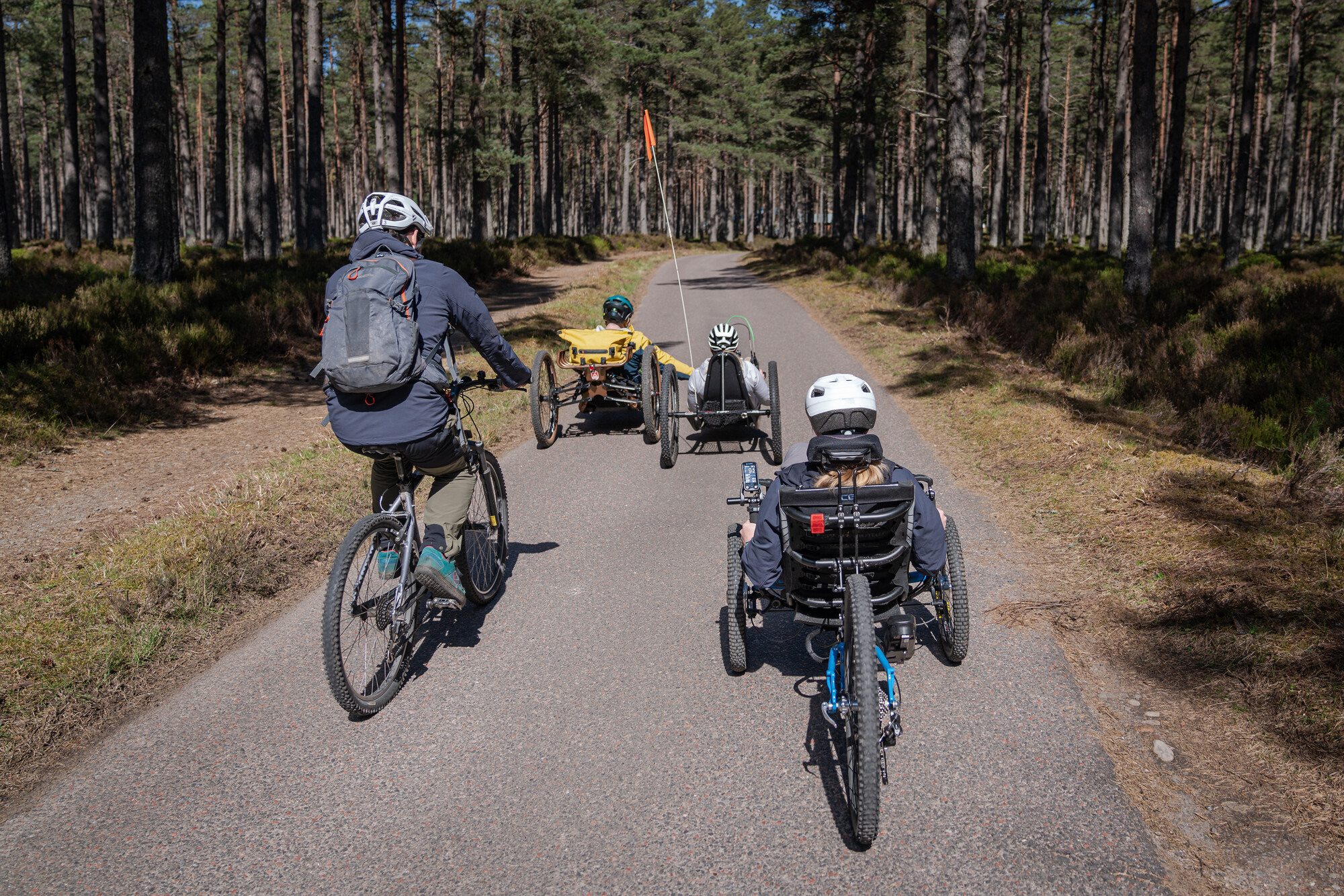
Given the remote and rural nature of many areas of the Cairngorms, it is particularly important that we work at a local and National Park-wide level to improve sustainable and public transport, and to increase the availability of safe, accessible walking and cycling routes.
Private car usage accounts for nearly 20% of residents' and over 50% of visitors' carbon footprint in the Cairngorms National Park, with 92% of residents using their car at least once a week. Making it easier for residents and visitors alike to switch to more environmentally-friendly transport options is a key focus of our activity.
Work is also taking place to improve active travel options, boosting people's mental and physical health and providing an unrivalled network of path and cycle infrastructure. Some of the main areas of the Park Authority and partners' work in this area is summarised below.
Featured
Things to do
The Cairngorms National Park has plenty to inspire adventures for visitors and residents.
Cairngorms National Park Partnership Plan, 2027 - 32
Have your say on the draft Partnership Plan; consultation closes 13 January 2027.
What we do
From pioneering conservation projects to community engagement and active travel, find out more about the range of work happening across the National Park.