Towns and villages
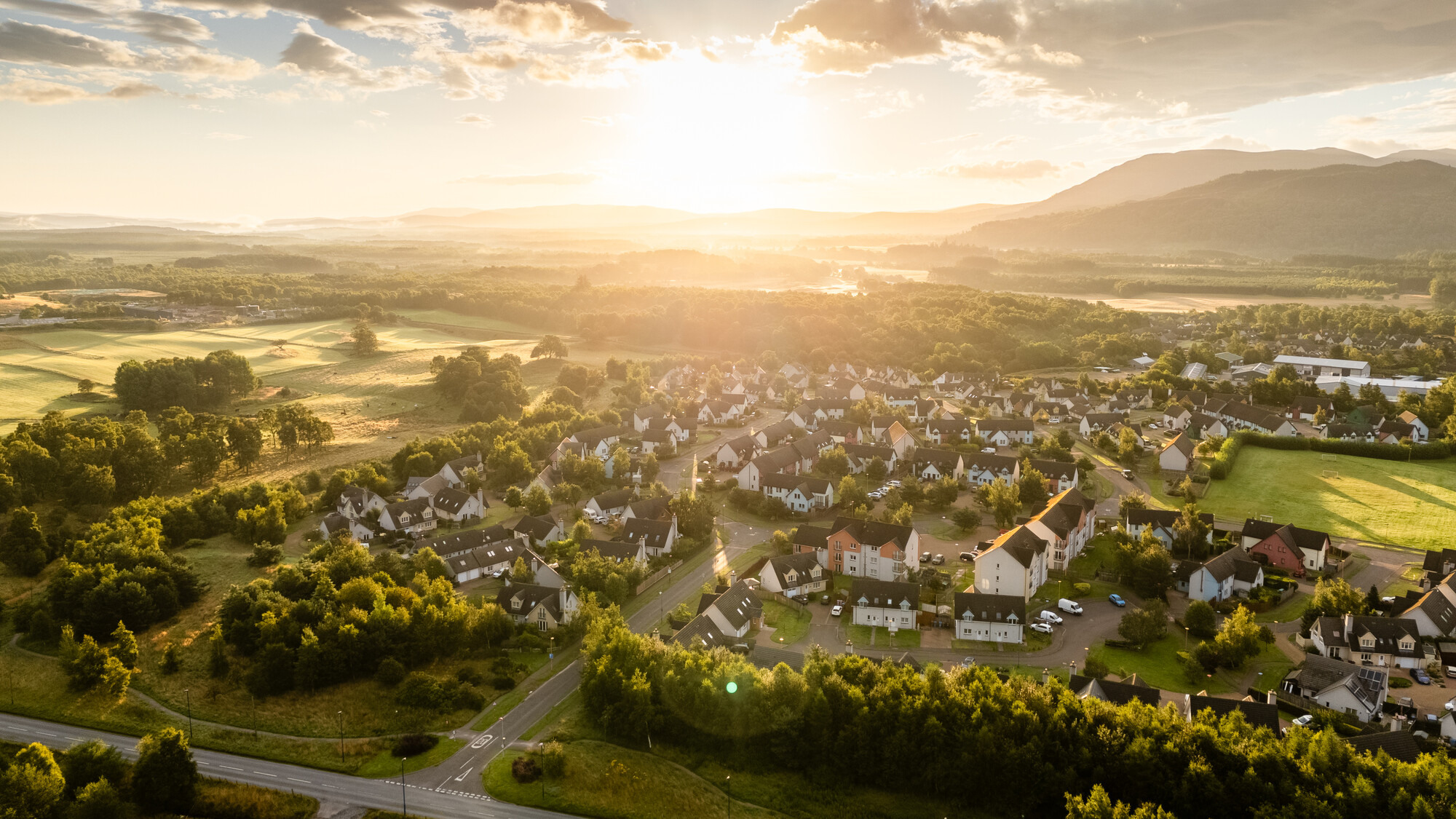
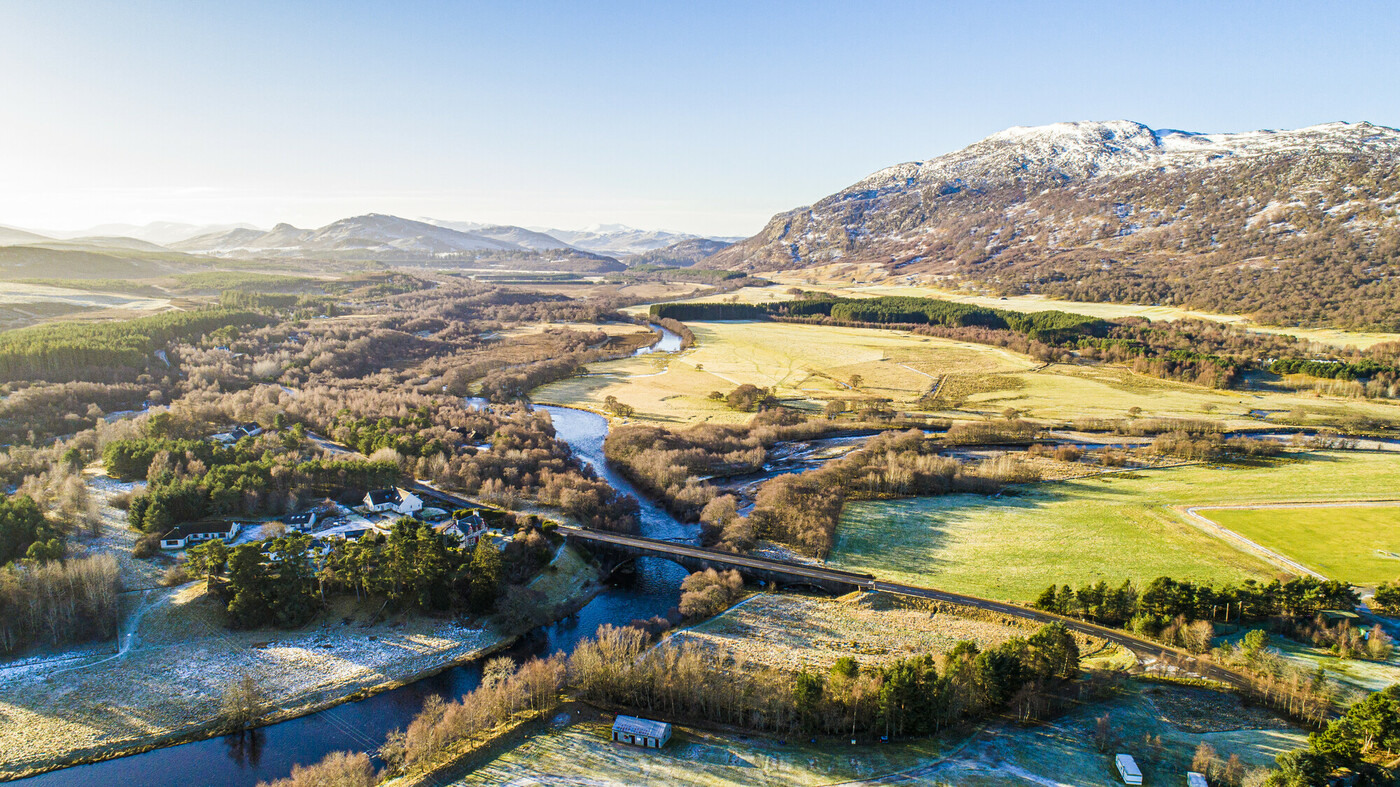
Spanning the counties of Aberdeenshire, Moray, Highland, Angus, and Perth and Kinross, the towns and villages of the Cairngorms National Park are home to over 18,000 people.
Since the National Park’s conception in 2003, it has expanded to encompass more towns and villages. Blair Atholl and Spittal of Glenshee joined in 2008 and additional locations in Highland Perthshire and Glenshee became part of the National Park in 2010.
Some of the largest settlements are Aviemore, Ballater, Braemar, Grantown on Spey, Kingussie, Newtonmore and Tomintoul, and each one is unique. Businesses, shops, and people offer a glimpse into the colourful cultures of these places and hint at their heritage, too.
Many showcase typical Victorian architecture: Queen Victoria influenced a new wave of tourism in the region after she found a home in Balmoral Estate. Others feature historical landmarks from different periods, plus geographical elements of interest that point to stories of the past.
Featured
Things to do
The Cairngorms National Park has plenty to inspire adventures for visitors and residents.
Cairngorms National Park Partnership Plan, 2027 - 32
Have your say on the draft Partnership Plan; consultation closes 13 January 2027.
What we do
From pioneering conservation projects to community engagement and active travel, find out more about the range of work happening across the National Park.