Respecting wildlife
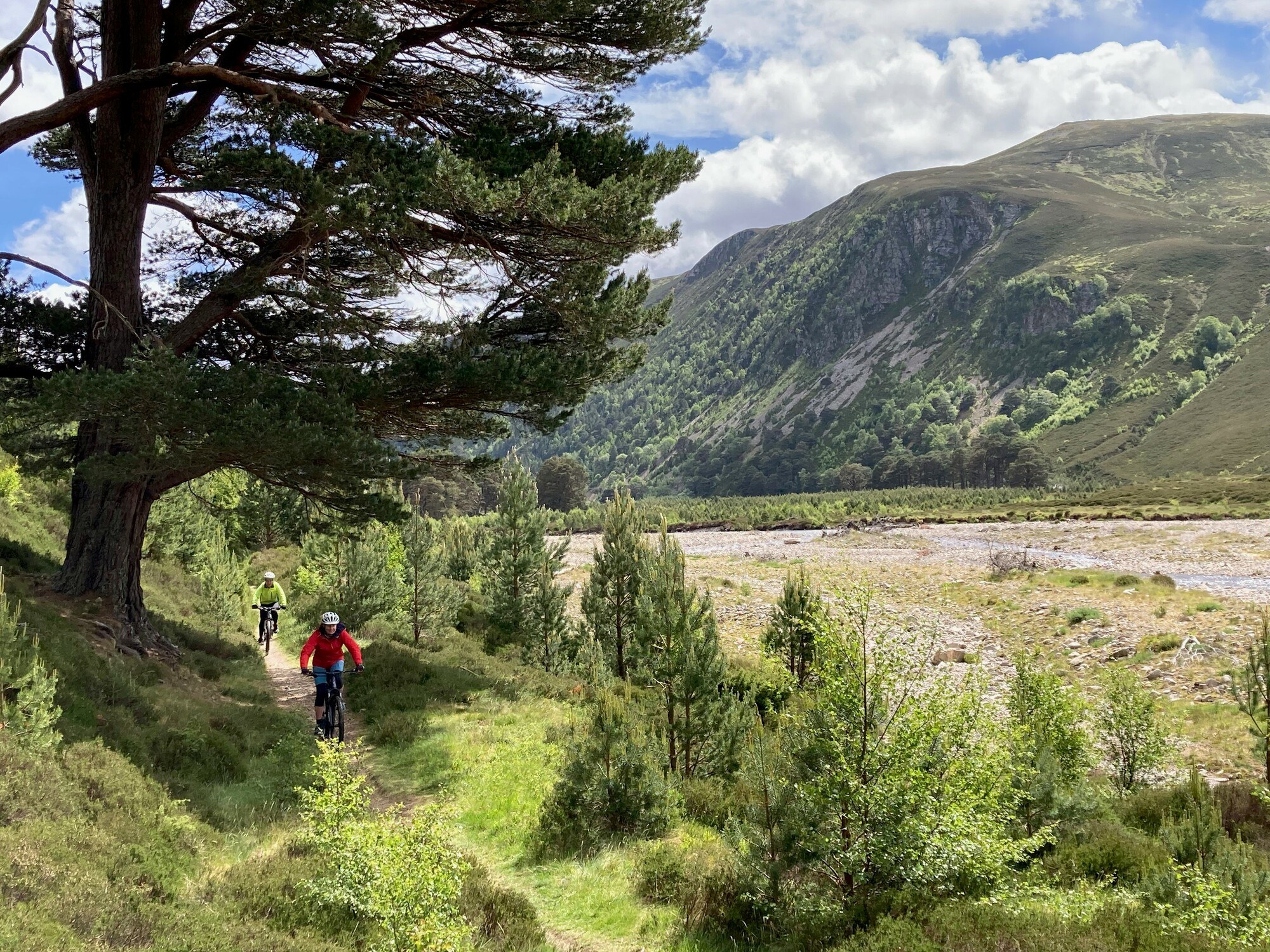
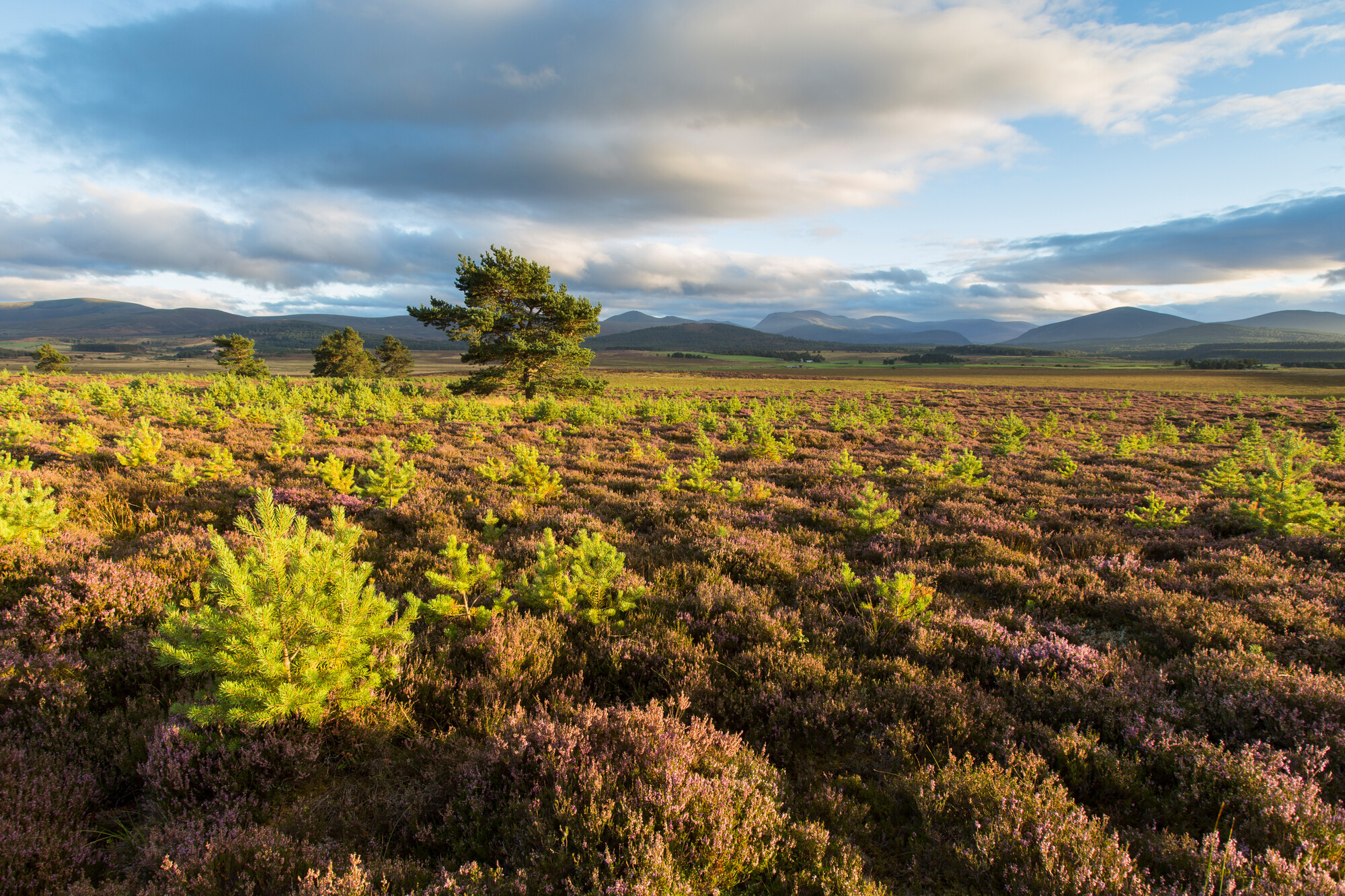
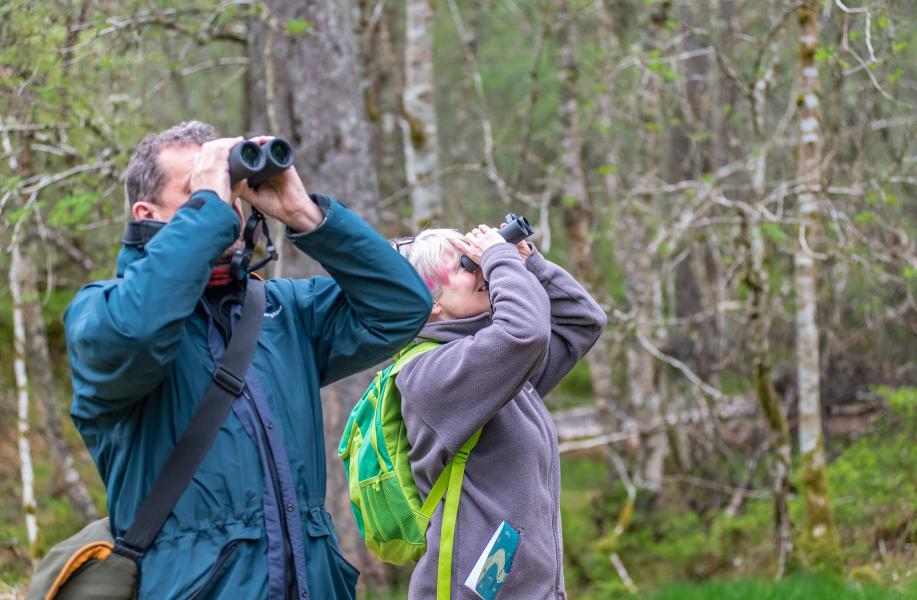
Whether you are in a local woodland, high up on a mountain top, on an open windswept moor or out on the water, there will be wildlife living there too. You might be lucky enough to spot whatever animal is sharing your space, a glimpse of a roe deer in the woods, the splash of a beaver in the water or an eagle soaring high overhead. Or the wildlife might stay hidden from you, well camouflaged in the undergrowth or silent in a tree top hiding nervously high above you.
Much of the wildlife in the Cairngorms is rare and protected, and we should all do our bit to make sure that there is no accidental disturbance which can cause animals and birds undue stress.
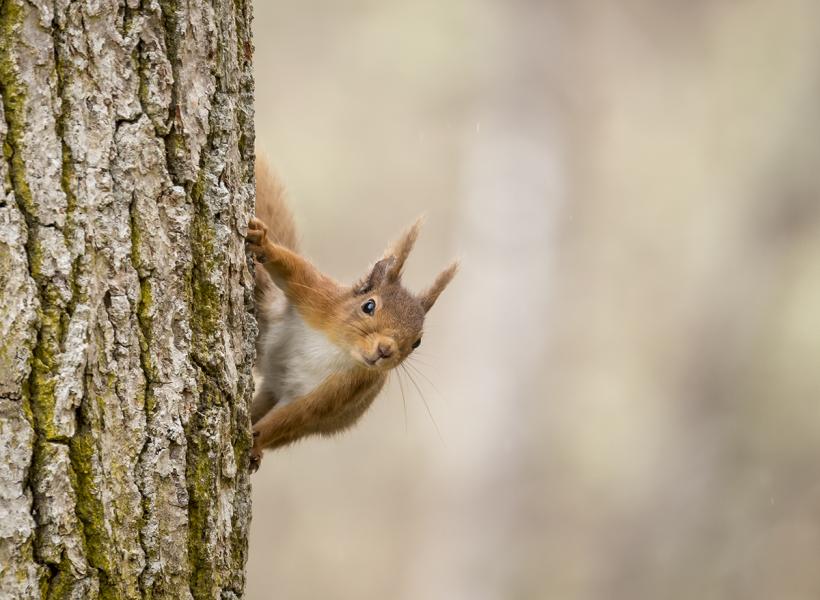
To help prevent wildlife disturbance we ask that you:
- Pass wildlife slowly, steadily and cautiously when you do come across it.
- Don’t linger if an animal is disturbed by your presence.
- Use paths wherever possible to avoid trampling nests and prevent damage to vegetation.
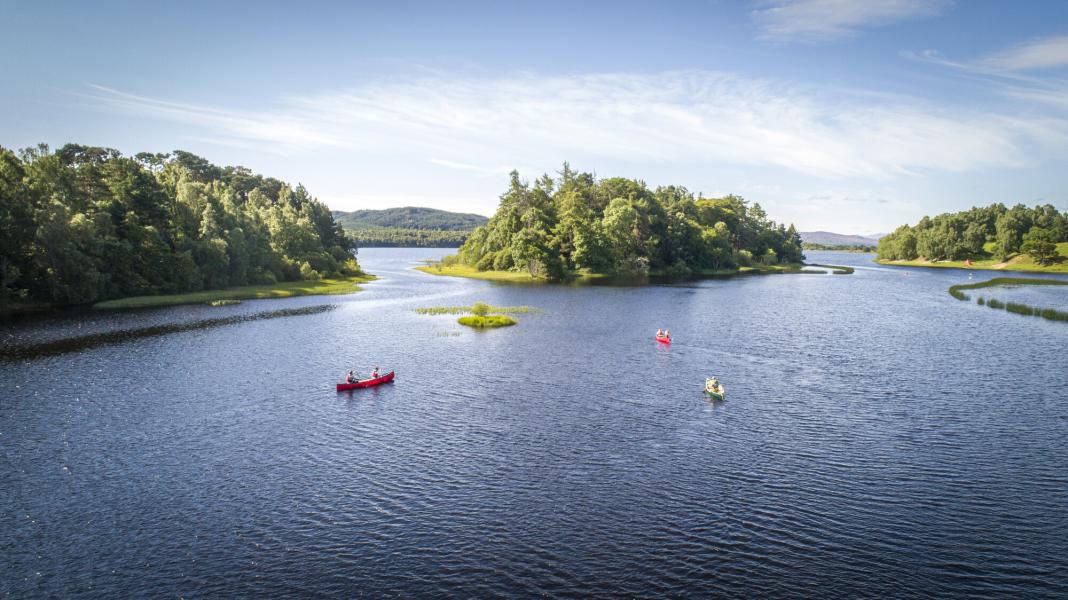
- Take care if swimming or paddling near islands, as these are often a refuge for wildlife.
- Keep your dog in sight, if you are unsure if there are animals around it is safest to use a lead.
- Walk your dog on a lead, or at heel, during the breeding season where there are ground nesting birds.
- Learn to spot the signs of disturbance when watching wildlife, and be prepared to move on if you see these.
- Follow any local advice or signage about avoiding disturbance to wildlife.
Featured
Things to do
The Cairngorms National Park has plenty to inspire adventures for visitors and residents.
Cairngorms National Park Partnership Plan, 2027 - 32
Have your say on the draft Partnership Plan; consultation closes 13 January 2027.
What we do
From pioneering conservation projects to community engagement and active travel, find out more about the range of work happening across the National Park.