
Capercaillie Lek Count Report 2025
Capercaillie Lek Count Report 2025
Background
Lek counts are a tool used to monitor capercaillie numbers in Scotland and have been carried out consistently across the capercaillie range since 2002. This involves licensed surveyors, coordinated by the RSPB Capercaillie Advisory Officer, counting the number of male capercaillie (cocks) attending known lek sites where the birds gather to breed.
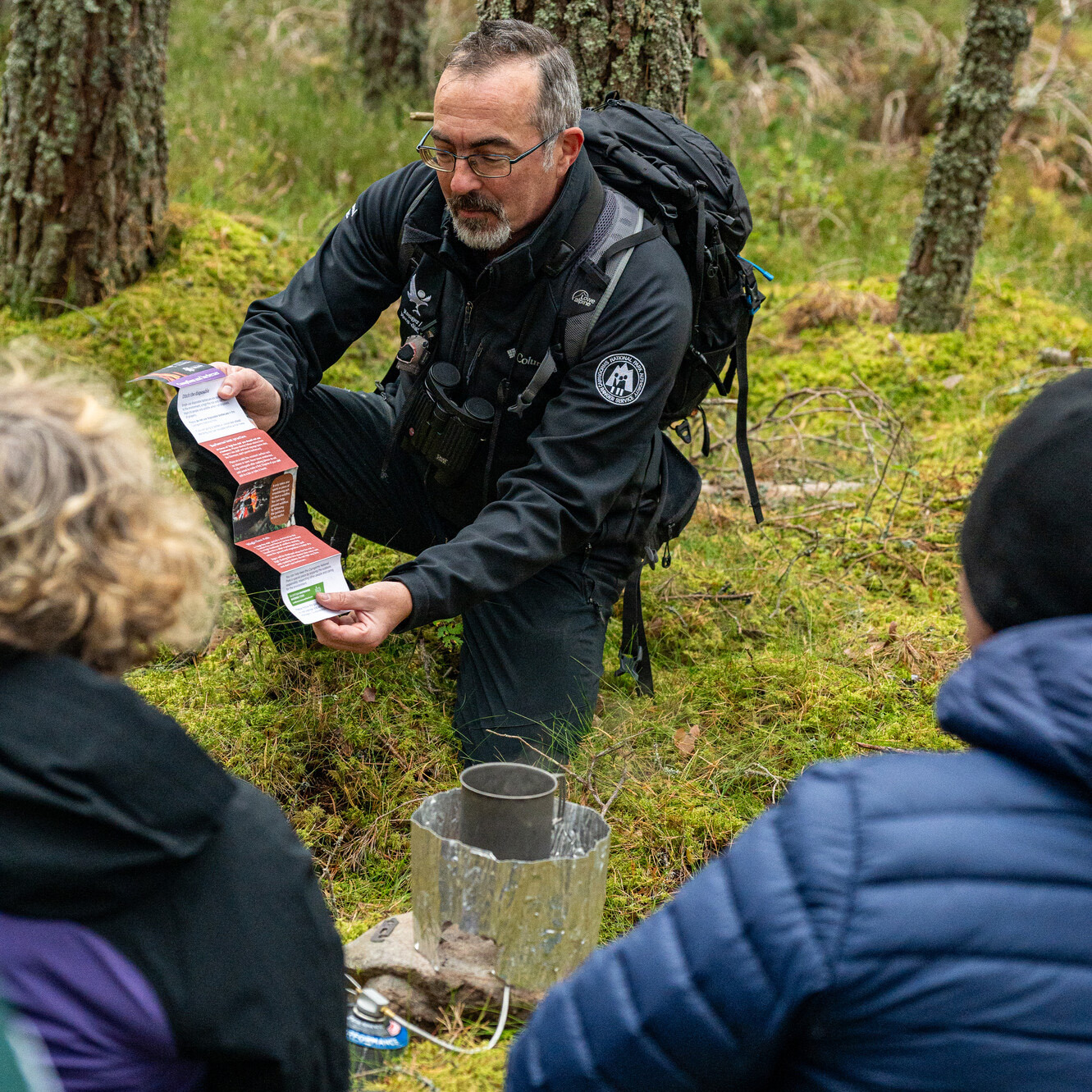
As capercaillie are a legally protected species under the Wildlife and Countryside Act (1981), lek surveys are completed under a Schedule 1 license from NatureScot. Surveyors are trained and follow a strict protocol to gather accurate data and reduce the risk of disturbance.
Lek locations can move, so capercaillie forests are often ‘cold searched’, which involves surveyors checking potential lek sites for signs of capercaillie during a daytime walk-through, to identify hotspots of activity. These are followed up by early morning lek counts (from 4am), which take place from mid-April to early May, and primarily involve surveyors counting lekking cocks seen from hides, which they enter and sleep in the night before, to reduce disturbance. The number of visits to a lek are limited to reduce potential disturbance and leks are generally only surveyed once a year.
The results from lek surveys provide an insight into population trends and inform local management for capercaillie. The counts are not intended to provide an overall population estimate for capercaillie as the birds do not attend leks every morning. This means some birds will be missed so the counts are only a partial dataset.
The national survey, which has been repeated every 6 years since the early 1990s and surveys capercaillie across their range, is used to inform populations estimates. Results from the most recent capercaillie national survey can be found through this link: Further declines of the Western Capercaillie Tetrao urogallus in Scotland as shown by the 2021 – 2022 winter survey.
Data from 2020 is not included in lek count reports as most leks were not counted due to Covid restrictions.
Key points from lek counts in 2025
- A total of 143 lekking males were recorded.
- This is a decrease of 10 lekking males compared to 2024 and the lowest number of lekking males recorded in 20 years of counts.
- There was a decline in lekking males recorded in Strathspey and Deeside.
- There was no evidence of capercaillie in Perthshire.
- 1 lekking cock was recorded in Moray/Nairn.
- The lek survey effort remained consistent, however cold searching effort increased in some areas.
- The conditions for counting were good, low wind and dry.
- Due to the early and dry spring weather, there was plenty of lekking activity from the beginning of April and the peak of activity was around 18th April. This was earlier than usual.
- The three largest lek sites where 14, 12 and 11 lekking males were counted, are all in areas away from well used tracks and over 3km from residential areas.
- Four lekking males in Strathspey were displaying on well used paths and a new breeding site was formed by one of the birds. Temporary signs developed by the Cairngorms National Park Authority and NatureScot were deployed to safeguard the site from disturbance. The move was made as part of the wider Lek It Be campaign which aims to ensure capercaillie are not disturbed during the lekking season.
- Droppings were collected from two lek sites in preparation for extending a pilot genetic lek survey as set out in the Capercaillie Emergency Plan.
Conclusions
The decrease in total lekking males recorded in Scotland in 2025 is extremely concerning. Although, as noted, lek counts are only a partial dataset, the decline in lekking males recorded follows a general trend of finding fewer signs of capercaillie and over a decreasing geographical range.
The periphery populations remain in an increasingly perilous position, with no signs of capercaillie in Perthshire and only one cock bird recorded in Morayshire. The loss of capercaillie in Morayshire would result in a further range contraction, increasing the vulnerability of the bird. Despite the decline in lekking males recorded in Strathspey, the area remains the stronghold for capercaillie.
[Image of a line graph titled “Minimum number of males recorded at lek counts across Scotland between 2004 – 2025”] [Image of a bar graph titled “Minimum number of males recorded at leks in Scotland 2004 – 2025”]
The RSPB Capercaillie Advisory Officer wishes to thank all the lek counters, the Park Authority, FLS, RSPB and private estate staff and volunteers for their assistance undertaking lek counts and providing the data for this report.