
Planning Committee meeting - Item 5: addendum report River Tromie - 14 November 2025
Cairngorms National Park Authority Item 5 Planning Committee 14 November 2025 Ughdarras Pàirc Nàiseanta a’ Mhonaidh Ruaidh Page 1 of 4
Addendum committee report
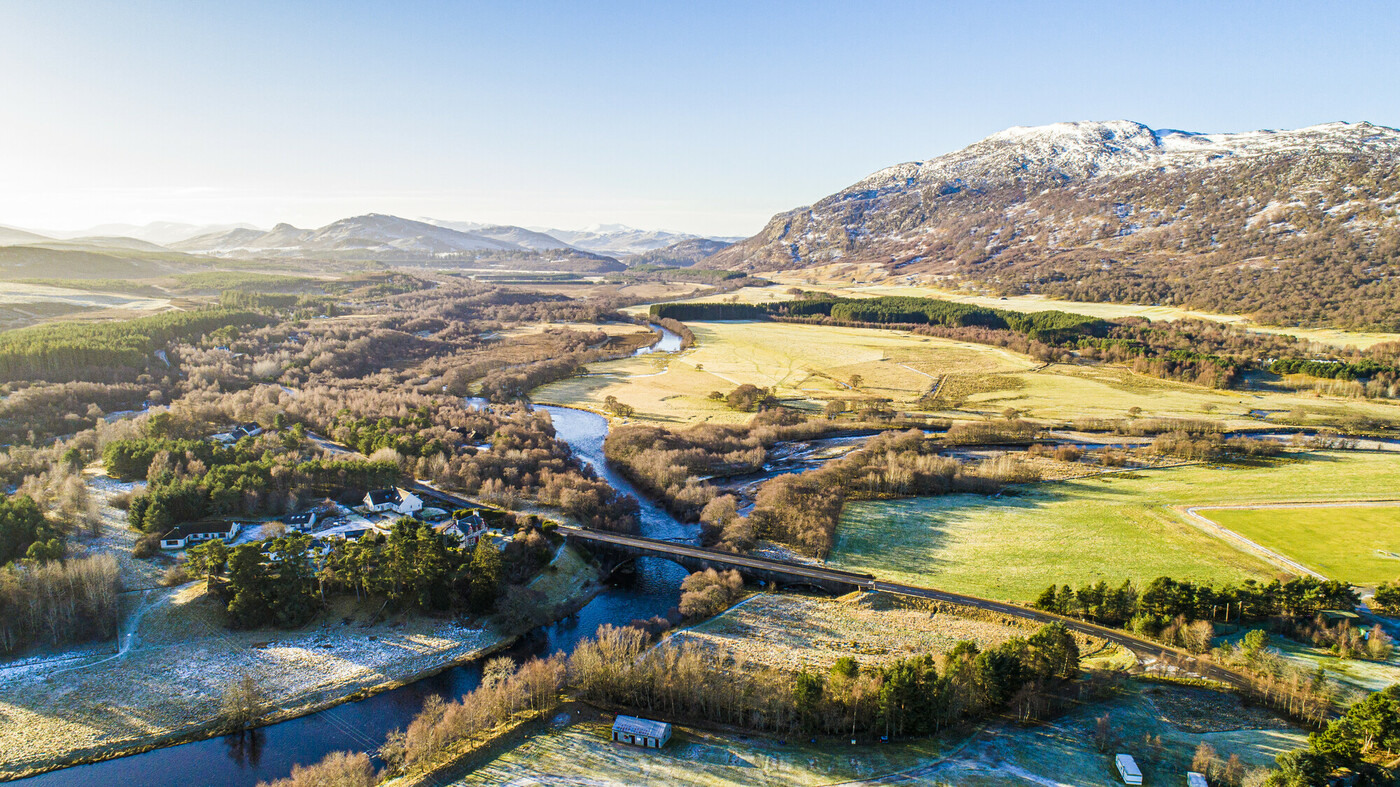
Development proposed: Realignment of 400m of River Tromie at Land 670M NW of Dell of Killiehuntly Farmhouse, Kingussie
Reference: 2025/0104/DET
Applicant: RSPB Scotland
Date called-in: 12 May 2025
Recommendation: Approve subject to conditions
Case officer: Katherine Donnachie, Planning Officer
Cairngorms National Park Authority Item 5 Planning Committee 14 November 2025 Ughdarras Pàirc Nàiseanta a’ Mhonaidh Ruaidh Page 2 of 4
Update
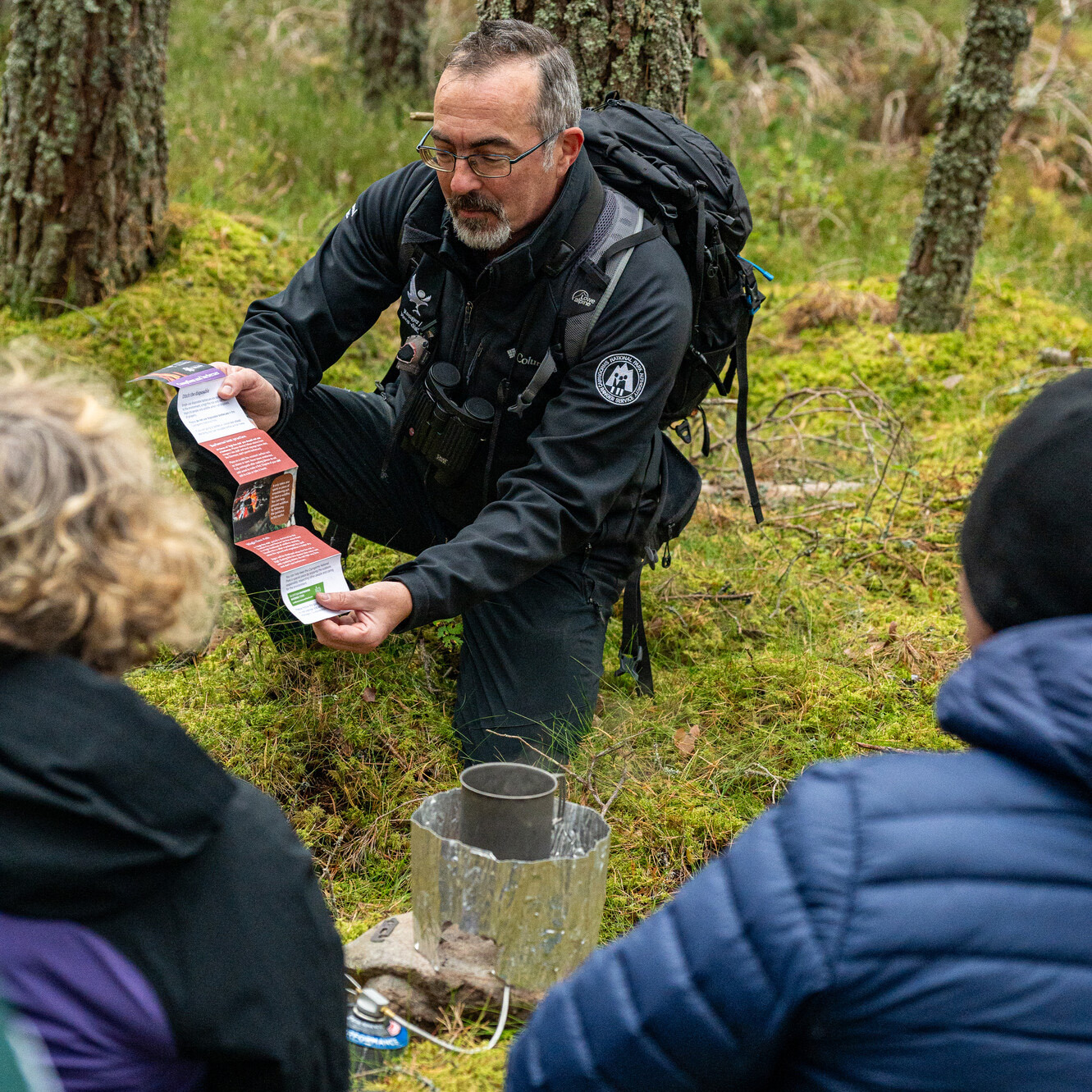
This planning application was deferred at the 29 August 2025 meeting of the Planning Committee to undertake a site visit, which was subsequently held on 10 October 2025.
This addendum report provides a brief update on a small number of planning and procedural matters with respect to the application. It should be read in conjunction with the main Planning Committee report on this planning application, and the recommendation therein, which remains as reported to Planning Committee on 29 August 2025.
At the 29 August meeting of the Planning Committee, the case officer reported to members that a late representation had been received. This representation was received too late to be circulated under the terms of standing orders at that time. Matters considered to be material planning considerations were verbally reported to the Committee, and the writer of the representation attended the committee site visit, as did the applicants and agent.
The late representation raised a material land use planning issue in terms of querying the ownership of the solum of the river, although no specific evidence was presented to substantiate claims that it did not belong to the applicants. The applicants had completed ownership certification when submitting the planning application confirming they owned all land associated with the application. This is essentially a legal matter. However, the ownership query was brought to the attention of the applicants who, having contacted their solicitors in the interim, remain satisfied that they own the land associated with this planning application.
The representation also raised queries regarding (a) flood risk in the surrounding area as a result of the development and (b) whether a gravel plug downstream of the present breach on the east riverbank could be removed to lower the riverbed level to prevent water flowing towards Dell of Killiehuntly and an engineered repair carried out to the riverbank on that side of the existing channel.
Cairngorms National Park Authority Item 5 Planning Committee 14 November 2025 Ughdarras Pàirc Nàiseanta a’ Mhonaidh Ruaidh Page 3 of 4
In relation to point (b), it is important to note that this alternative suggestion is not part of the current planning application, would involve land outwith the red line application site, and cannot be considered under the terms of the present submission. Notwithstanding this limitation, the Planning Service asked technical consultees (SEPA and the Highland Council Flood Risk Management Team) if they wished to comment on the contents of the late representation.
The Highland Council Flood Risk Management team had no additional comments. As reported in the committee paper to the 29 August meeting, the Team’s response to this application previously confirmed no objections and highlighted that they were generally supportive of the type of work proposed.
SEPA have confirmed that they maintain their position of no objection, highlighting that flood modelling has been undertaken for the submitted Flood Risk Assessment. From the information provided they are satisfied that the proposals are unlikely to lead to an increase in flood risk to properties, with the modelling indicating very localised changes in flood risk at the location of the channel works. Any changes to flood levels / extents are very localised to the channel works and are not expected to extend beyond the section of cut channel. In addition, a Water Environment Controlled Activities Regulations (CAR) licence was issued in June for channel realignment, sediment removal and introduction, and embankment removal. They have noted that it is their understanding that these licensed activities form the basis of the planning application proposals and vice versa. These proposals were assessed by SEPA specialists as being acceptable activities for the River Tromie which should provide some improvement on the current, as well as longer term, status of the watercourse.
In relation to the comments on removal of the gravel plug, SEPA noted that they do not routinely provide site specific advice on such suggestions as they need to focus their resources on responding to development proposals set out in planning applications and / or regulatory authorisation applications. Whilst acknowledging that these alternative suggestions do not form part of this planning application and cannot be considered in the determination of this submission, they highlighted that there is information about dredging (e.g. the suggested removal of the gravel plug) and river engineering on their website which may be of general background
Cairngorms National Park Authority Item 5 Planning Committee 14 November 2025 Ughdarras Pàirc Nàiseanta a’ Mhonaidh Ruaidh Page 4 of 4
interest: Dredging | Scottish Environment Protection Agency (SEPA). This includes a section on dredging and flooding as follows:
“Dredging is often viewed as the solution to flooding on the basis that the channel is made bigger so it can contain more water. The space created by removing sediment from a river is often small compared to the volume of water generated during flood events. Even if dredging reduces flood risk locally, it is likely that this simply passes the problem downstream.
While dredging is required in some circumstances, it is usually not the most effective or sustainable approach to managing flood risk in a catchment. Changing the way sediment is transported in rivers often results in unexpected changes, such as increased erosion that can spread upstream and downstream. This eroded sediment can quickly refill the space that was created by dredging, as well as damaging river habitats and ecosystems, worsening the situation. Natural processes, involving the erosion, transport, and deposition of sediment within rivers mean that any benefits of dredging are often short term.”
- Following the 29 August Committee meeting, the applicant also provided a brief project summary to assist in the consideration of the application. This is attached as Appendix 3 and summarises key points of the proposed development and the options considered.