Recreational fire byelaw - the story so far
Recreational fire byelaw – the story so far
Last updated on 19 March 2026
In 2024, the Park Authority consulted on the potential introduction of a recreational fire byelaw, which would make it an offence to light a fire or barbeque within the National Park at certain times of year. Over 1,600 people took part in the consultation, with 79% supporting the introduction of a byelaw, 16% against and 5% unsure. The Park Authority did not express a preference during this consultation, but the results gave the Park Authority a mandate for change. You can read a summary of the consultation results here.
Drawing on feedback from the general public, landowners and partners, the Park Authority board agreed on 28 June 2024 to develop a seasonal fire management byelaw, which would last from 1 April to 30 September each year. This decision was based on feedback from the consultation, which suggested that the approach should be easy to communicate, not perceived as heavy-handed and cover the period with the greatest risk.
As required by the legislation, a further public consultation on the draft wording of the byelaw was carried out from 23 September to 16 December 2024. A total of 109 responses were received from a mix of residents, visitors, land managers and partners. Written responses were received from a further 10 individuals or organisations, and direct discussions were held with Police Scotland, the Scottish Fire and Rescue Service and the Scottish Wildfire Forum. You can read a summary of these responses here.
In response to a couple of the suggestions made in these consultation responses – and following discussions with Police Scotland and the advice of the Park Authority’s legal advisers – the proposed wording was subtly adjusted and signed off by the board on 14 February 2025. This wording, together with supplementary evidence, was submitted to Scottish Government in March 2025 and members of the public were given until Sunday 18 May to comment or object to the proposal.
Having fully considered the proposals, including the two objections submitted, Marie Gougeon MSP — Cabinet Secretary for Rural Affairs, Land Reform and Islands — approved the byelaw on 25 September 2025.
In preparation for the byelaw coming into force the following April, the Park Authority and its partners took forward a range of measures. These included:
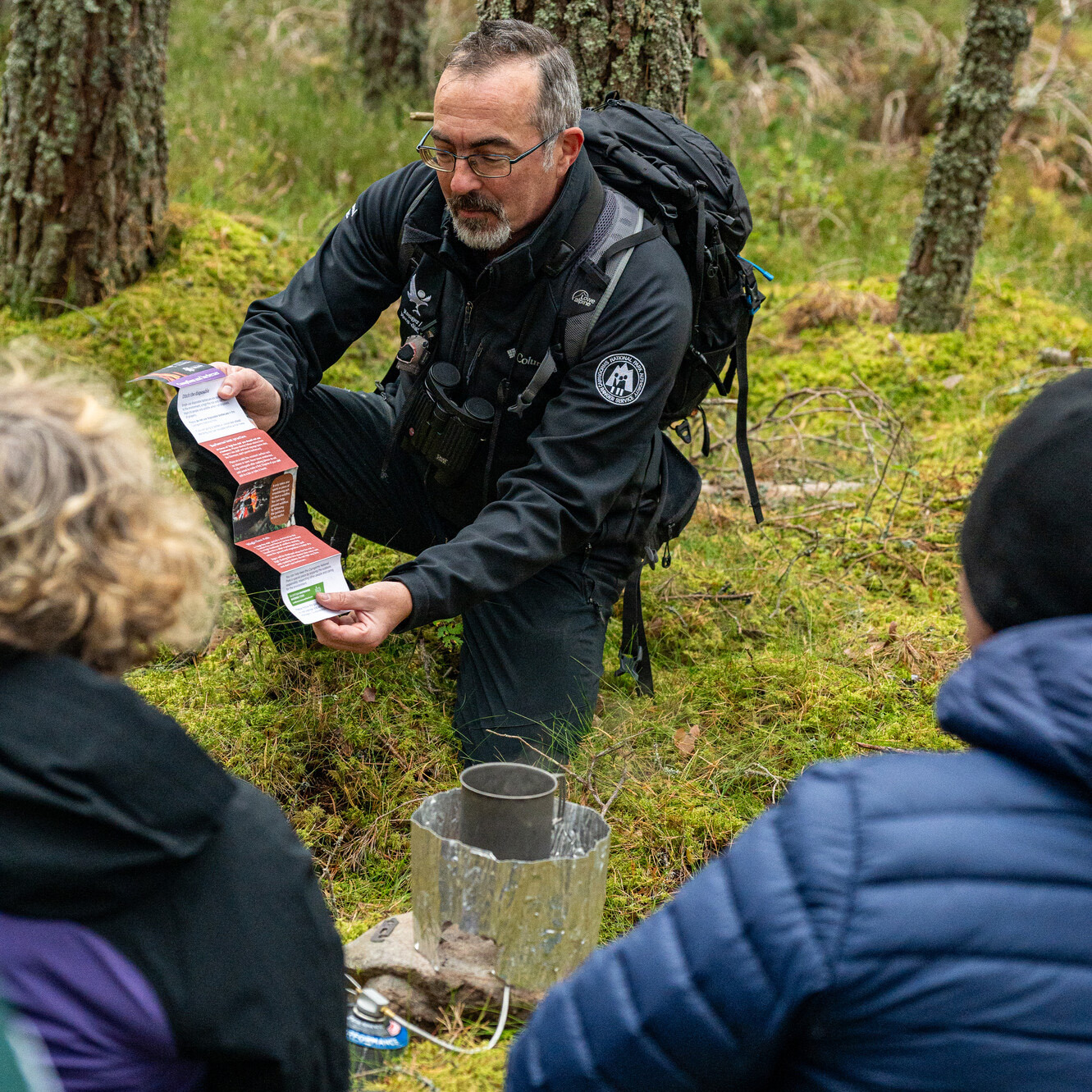
- Enforcement and training — working with Police Scotland and the Scottish Fire and Rescue Service to prepare for robust enforcement of the byelaw, including enhanced patrols at key sites and an extensive training programme for rangers on the ground.
- Wildfire communications campaign — developing a targeted wildfire communications campaign, including permanent and temporary signage, leaflets, press activity and social media advertising.
- Signage at key locations — working with local councils to put in place road signs at key entrance points and hotspots, informing people that there are no fires or barbecues allowed.
- Working with partners — coordinating activity across estates, public bodies, NGOs, businesses and communities in the National Park to ensure a joined-up approach to information sharing on fire risk, the upcoming byelaw and the Scottish Outdoor Access Code.
Whilst the introduction of a byelaw is just one additional tool in the box, it allows the Park Authority to progress a range of significant wildfire mitigation measures, alongside the UK’s first Integrated Wildfire Management Plan.