
Transport Scotland Biodiversity Strategy consultation response
Cairngorms National Park Authority 14 The Square Grantown on Spey PH26 3HG
T: 01479 873 535
27 November 2025
Maria Klimek Transport Scotland Biodiversity Strategy Document Development Team Email: TSBS@jacobs.com
Response: Transport Scotland Biodiversity Strategy Consultation
Many thanks for giving the Cairngorms National Park Authority the opportunity to comment on the emerging Transport Scotland Biodiversity Strategy and Delivery Plan. We note that the transport network within the Park that falls under Transport Scotland’s remit is limited to the A9, A93, A95, the Perth-Inverness railway line, and associated active travel links.
Linking the Strategy with the Cairngorms National Park Partnership Plan is a key consideration for the Park Authority, particularly regarding strategic investment at scale, working in partnerships, safeguarding and delivering nature networks, prioritising nature-based solutions and green infrastructure, and supporting a systems-based approach.
We note that National Park Plans are referenced in Annex 1. However, there appears to be no explicit acknowledgement of the existing statutory duty for public bodies to have regard to the Park Partnership Plan when exercising their functions in the National Park. There also doesn’t seem to be any reference to the proposed new statutory duty for public bodies to facilitate implementation of National Park Plans as set out in the Natural Environment (Scotland) Bill 2025.
Section 7 acknowledges National Planning Framework 4 policy 3 b) requirements for national and major developments to conserve, restore and enhance biodiversity such that they are in a demonstrably better state than without intervention, and to deliver significant biodiversity enhancements in addition to any proposed mitigation. The text notes that Scottish Government has commissioned work to develop a Scottish biodiversity metric to support delivery of this policy. Furthermore, it acknowledges the potential benefits of metrics, when used appropriately, but also recognises that they have limitations and do not consider species or ecosystem functions. This is where a systems-based approach may be more appropriate. We would wish any mitigation to be invested strategically in the Park as a whole, not just where works are taking place, as this is often where the biggest biodiversity and ecosystem service gains can be made.
We feel the Biodiversity Strategy should refer more explicitly to it facilitating the delivery of Nature Networks. The Park Authority would welcome the opportunity to discuss with Transport Scotland the application of several of the objectives of the Biodiversity Strategy in the National Park, especially within the context of the emerging Cairngorms National Park Nature Network. This would include exploring:
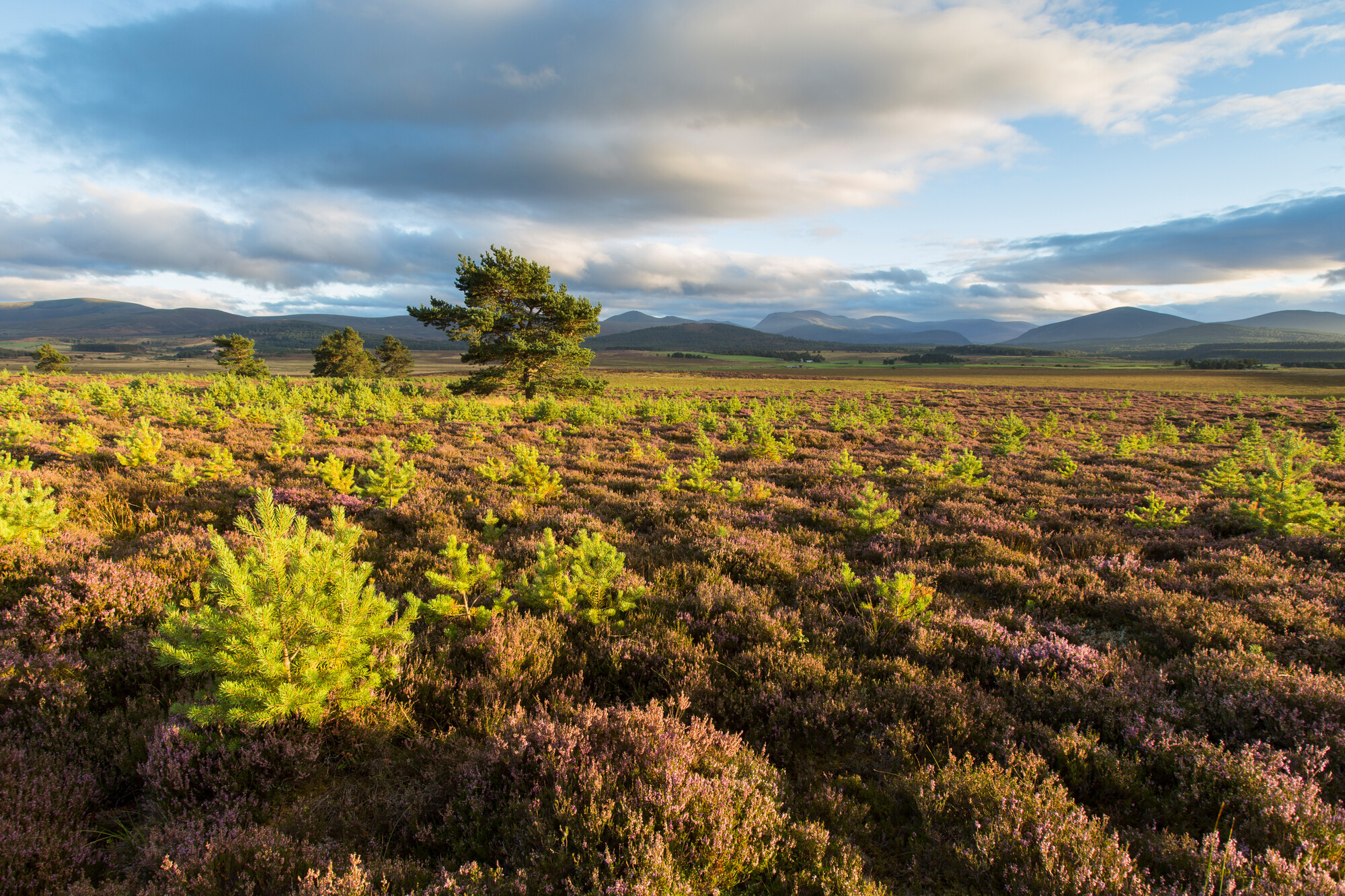
- The removal of non-native trees that have the potential to be invasive, such as Sitka spruce and lodgepole pine, from land under Transport Scotland’s control and their replacement with site-appropriate native trees. This is particularly pertinent along the A9 between Dalwhinnie and Dalnaspidal, part of a potential native woodland corridor identified in the Woodland element of the CNP Nature Network that sits in a currently largely treeless landscape and that would form a significant linkage between the wooded landscapes of the Tay and Spey catchments
- The enhancement of roadside vegetation along the A9, A93 and A95 to contribute to the Managed Lowland Grassland element of the CNP Nature Network and emerging CNP Pollinator Plan
- Maximising the permeability of the A9 corridor to wildlife movements, particularly in the context of the road’s ongoing dualling
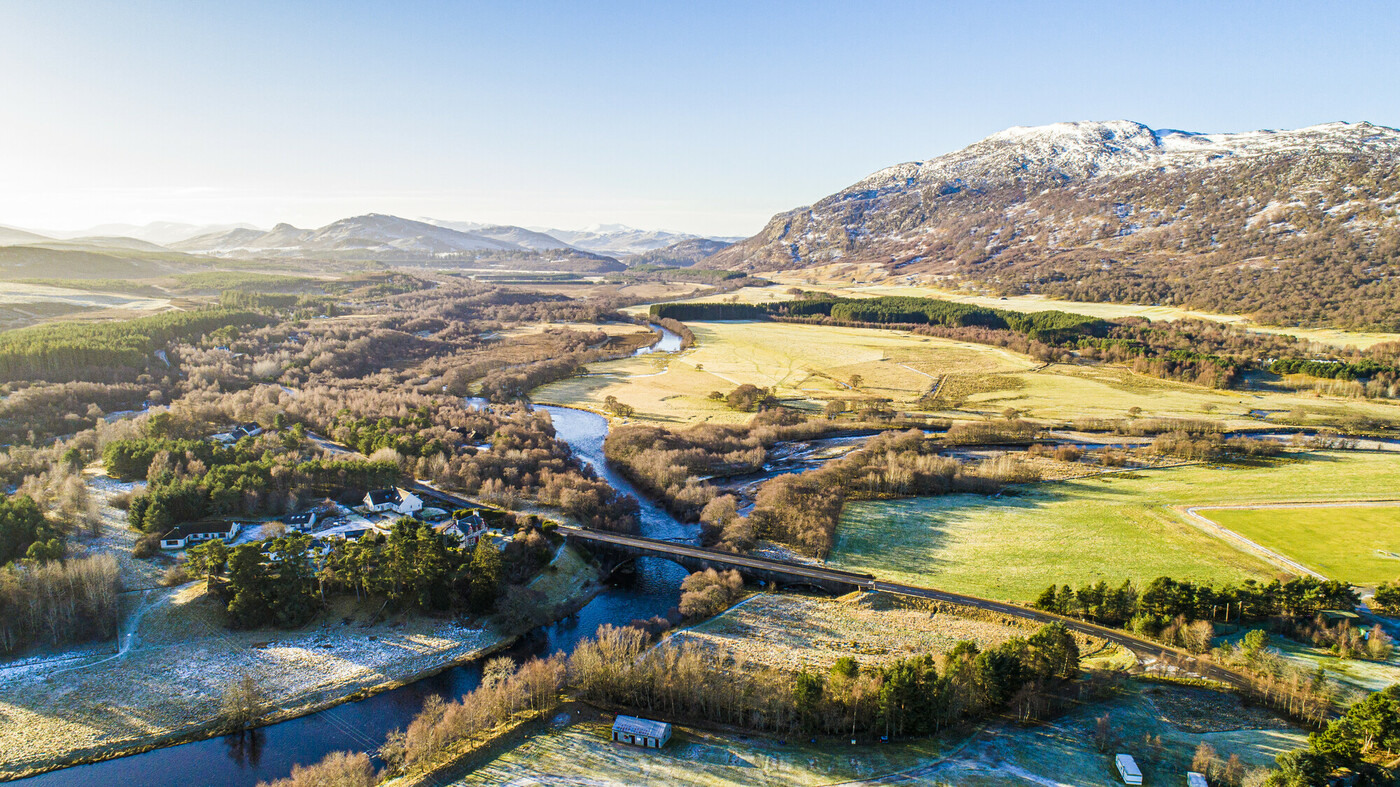
- Re-examining the potentially environmentally harmful use of artificial lighting of features for aesthetic reasons, such as rock cuttings along the A9 and the A95 bridge over the River Spey SAC
We would be happy to expand on anything we have written, so please don’t hesitate to get in touch if you require further detail.
Yours sincerely,
David Hetherington
Dr David Hetherington Nature Networks Manager