
12 Cairngorms species of Christmas
12 Cairngorms species of Christmas
In nature conservation, seeing a species thriving in its environment is always exciting - but often it isn’t just a good sign for that particular plant or creature, there are certain species that give us a unique insight into so much more.
These plants and animals play a vital role in the National Park as they can tell us how healthy the habitat is around them, and what’s going on in the ecosystem. They act like a ‘nature barometer’ giving living feedback on the environment and helping us to know where to focus our conservation work.
Some of these species are called key stone species, some are called indicator species, but all of them play an important role in the National Park.
Fun fact: The name key stone comes from architecture where a key stone is the stone at the summit of an arch, with all of the other stones relying on it – it’s the same in nature.
Alert
Fungi
Fungi break down dead organic matter, recycling nutrients back into the ecosystem.
 Adam Alexander
Beaver
Beavers change the environment around them, creating new homes for insects, bats and birds.
Elliot McCandless
Wood ants
Wood ants are tiny architects, helping control pests, disperse seeds and boost the health of the forest floor.
Mark Hamblin
Jay
Jays bury acorns (and forget about some of them!) helping to plant oaks.
Jessica Moss
Oak
Oaks provide a habitat for over 2,300 species of wildlife - more than any other native tree in the UK.
Louise Took
Red squirrel
Red squirrels in our woods are a sign of well-connected forests of native trees with a healthy mix of ages and shapes.
Peter Cairns
Toad
Frogs and toads begin life as tadpoles who eat algae, promoting new plant growth which acts as food and habitat for other species.
Jenny Allen
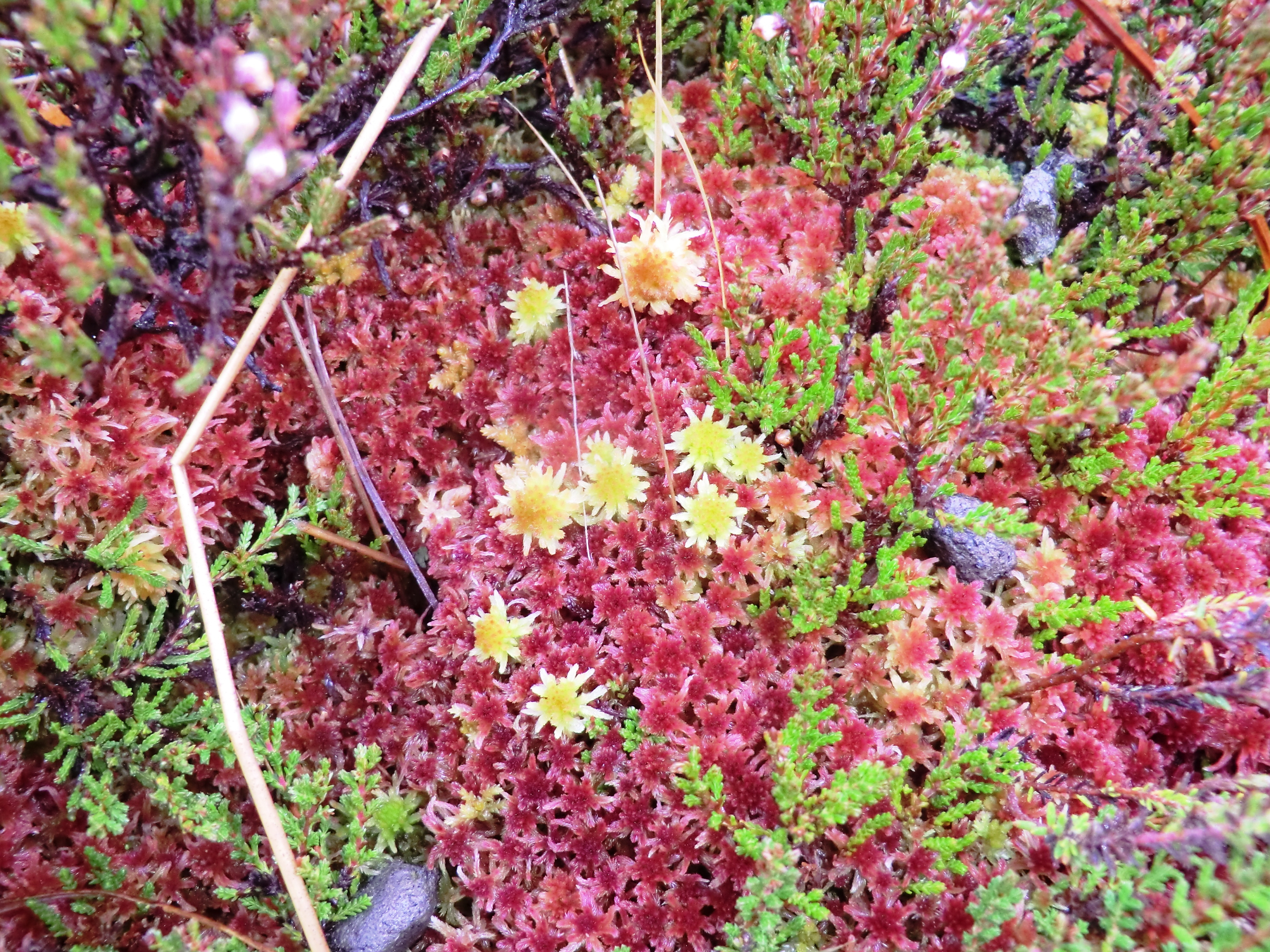
Sphagnum moss
Sphagnum moss indicates a healthy peat-forming system that helps store water and protect us from flooding.
Charlotte Milburn
Devil's bit scabious
Devil's bit scabious is a favourite for our pollinators, in particular the small scabious mining bee.
Charlotte Milburn
Freshwater pearl mussels
Freshwater pearl mussels can filter 50 litres of water a day meaning cleaner, purer rivers for people and nature.
Linda Pitkin
Golden eagle
Golden eagles are apex predators and help to keep rodent populations in balance.
Lorne Gill
Aspen
Aspen support soil stabilisation, air purification and some of our rarest insects.
Paul Davison
Relevant alerts
-
The Cairngorms National Park will experience extremely windy weather as a result of Storm Boelo. This is expected to last until Monday 26 October.
Please take extra care when out and about, #PlanAhead and stay safe.
For up to date details, visit the Met Office website here.