
Hope for Cairngorms capercaillie recovery as lek counts rise
Hope for Cairngorms capercaillie recovery as lek counts rise
Encouraging results have been recorded for one of the UK’s most threatened bird species, with the number of male capercaillie at breeding lek sites in the Cairngorms National Park rising by 30% this year.
A total of 170 birds were recorded this year in the Cairngorms National Park, up from 131 in 2025. This is an encouraging boost for one of the UK’s most endangered bird populations and marks a significant milestone for the Capercaillie Emergency Plan, led by the Cairngorms National Park Authority and NatureScot and supported by multiple partners – from land managers to non-governmental organisations. The results indicate that sustained conservation efforts are beginning to show results, with a measurable impact recorded across multiple landholdings
Balmoral Estate, Cawdor Estate, Forestry and Land Scotland, NatureScot, RSPB Abernethy, Seafield and Strathspey Estates, and WildLand Cairngorms have all seen an increase in the numbers of breeding males this spring. The results reflect the dedication of land managers, agencies and volunteers across the National Park to support capercaillie recovery.
With male capercaillie typically participating in lekking only when they are two to three years old, this year’s increase shows the cumulative benefits of periods of good weather and conservation measures delivered over previous breeding seasons. This includes a coordinated programme of diversionary feeding, now entering its fifth consecutive year, which has been shown to more than double breeding success – alongside extensive habitat improvement work delivered across the National Park through past partnership initiatives, including the Cairngorms Capercaillie Project.
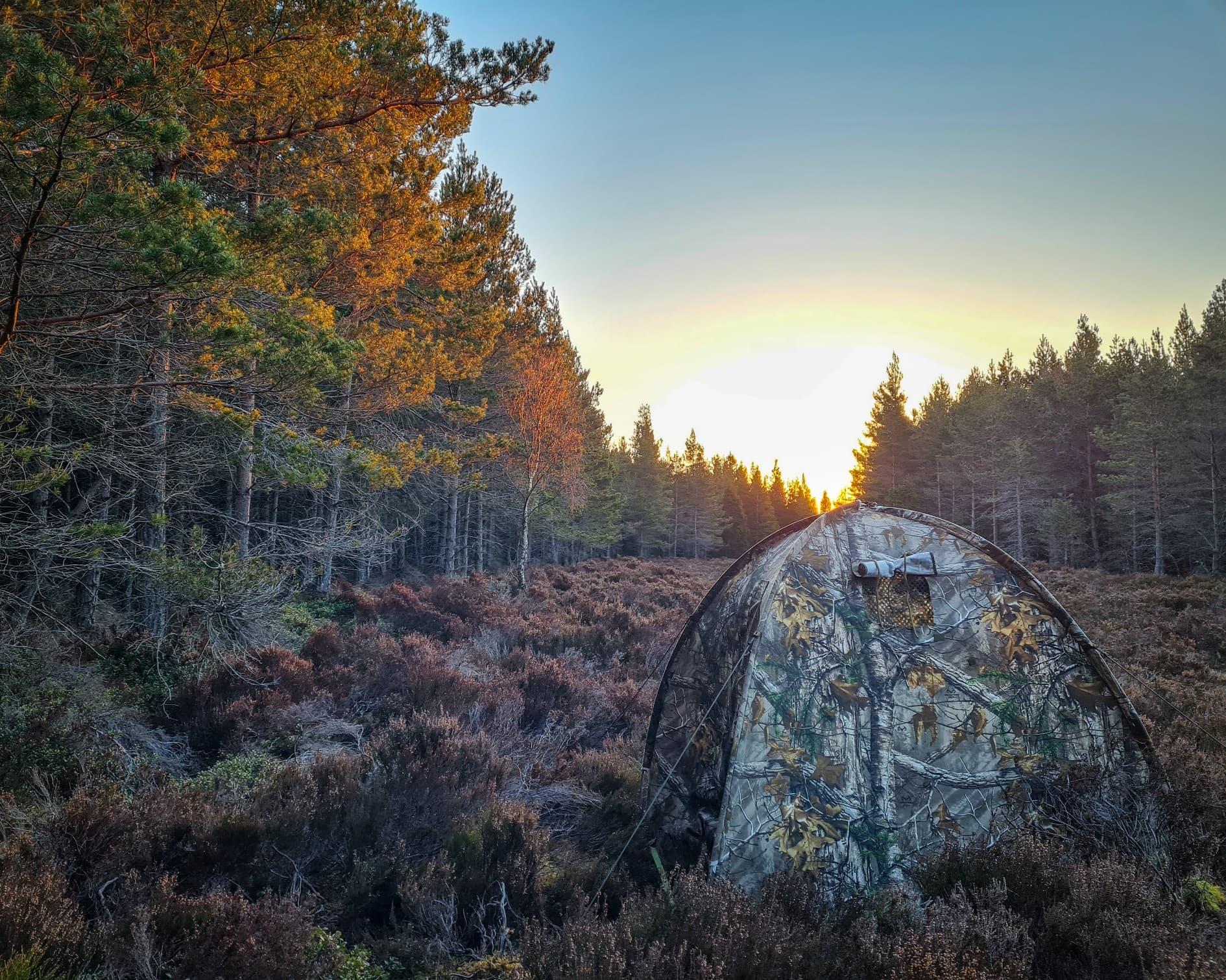
Even where lek counts are increasing, breeding success can be significantly affected if birds are disturbed while lekking, particularly given the often limited, weather-dependent opportunities available for mating. Now in its third year, the Lek It Be campaign – which asks birdwatchers, photographers and wildlife guides to avoid seeking out capercaillie whilst they are breeding – has continued to make a significant contribution by reducing disturbance at lek sites, with some lek sites now experiencing no disturbance at all.
Carolyn Robertson, Cairngorms Nature Manager at the Cairngorms National Park Authority, said: “It is incredibly encouraging to see more birds lekking this spring after years of hard work and dedication from land managers, volunteers, rangers, residents and Park Authority and NatureScot staff. It’s a real testament to what can be achieved through working together.
“Continuing that collaboration through the Capercaillie Emergency Plan is essential to build on this progress and improve breeding success and chick survival across the National Park. This is vital to growing the population at scale and securing the long-term future of this iconic species in our Caledonian pine forests.”
Ian Sargent, NatureScot Nature Reserves Manager, who covers Invereshie and Inshriach National Nature Reserve, said: “Surveying capercaillie is a sensitive job which requires good planning and field craft so that these rare birds are disturbed as little as possible. It is really encouraging to see this increase in lekking birds, and especially to see a few new leks establishing in 2026. Improving and expanding healthy habitat across the National Park will continue to be vital to create a good base for capercaillie and also bring many other nature benefits.
“There's a huge amount of great work happening across the park to achieve this, in partnership with the Park Authority and with funding from The Scottish Government's Nature Restoration Fund.”
Related
Capercaillie Emergency Plan programme board
The group enabling and assessing delivery of the Capercaillie Emergency Plan
Capercaillie Emergency Plan scientific advisory group
This group, chaired by NatureScot, is responsible for assessing the effectiveness of the management actions in the Capercaillie Emergency Plan.
Wildlife
The Cairngorms National Park is home to a quarter of the UK’s rare and endangered species. Its rich habitats are a haven for an array of wildlife, from iconic birds to elusive plants and flowers.
Dog walking
What you need to know about dog walking in the Cairngorms.