Statement from Park Authority
Statement from Park Authority
On Friday the Park Authority board discussed the ongoing issues around managing for visitors and fires in the National Park, with particular focus on Glenmore. The Park Authority will be developing an Integrated Wildfire Management Plan for the National Park as a whole – as set out in the Cairngorms National Park Partnership Plan – and the board agreed that wildfire is a significant and growing concern given the changing climate.
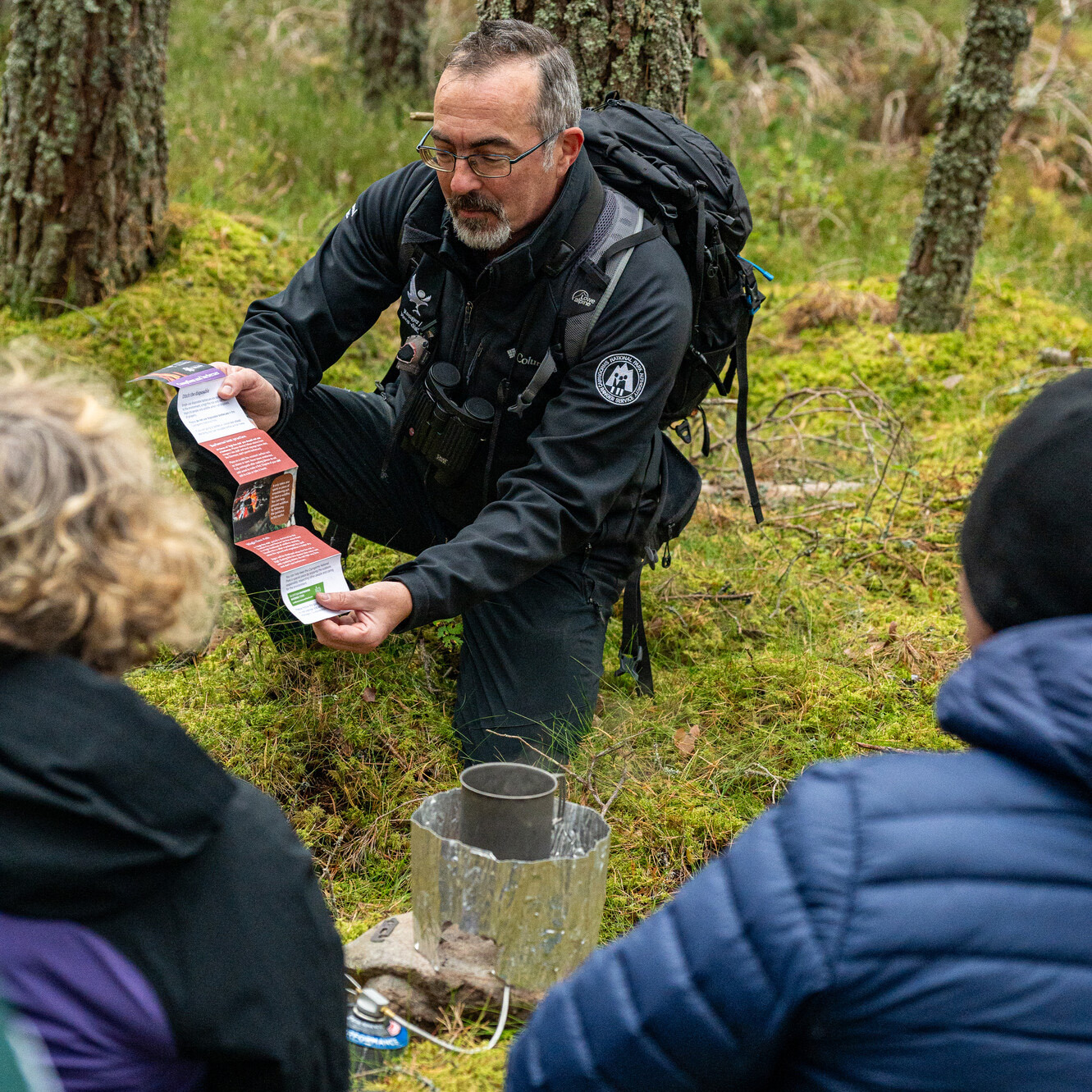
The Park Authority have been doing a lot of work with partners across the National Park around ‘no camp fires’ and ‘no disposable barbecues’ messaging during times of high fire risk, and there are over 45 rangers out on the ground dealing with issues as they arise, working closely with the Police and Fire Services. There will be increased patrols (including later patrols) in key areas over the coming weeks, with Park Authority Rangers undertaking joint patrols with Police Scotland at Glenmore who have wider powers of enforcement that could be used where necessary.
The board have asked that staff look at all options for the Cairngorms National Park to manage fire risk (from camp fires to barbecues), including looking at the potential for ‘fire management’ bylaws as part of the wider Integrated Wildfire Management Plan. The Park Authority will continue to work closely with land managers, partners, visitors and other public bodies to deal with this current issue and at the next meeting of the board will consider whether a fire management byelaw is an appropriate mechanism.
Alert
Latest from the National Park
Come and meet us!
The Park Authority team will be out and about at events this autumn and winter
Draft Partnership Plan consultation goes live
People living and working in or visiting the National Park asked for feedback on the next Partnership Plan.
Time well spent as we stop to blether about farm realities
The latest column from our Agricultural Adviser - first published in the Press and Journal
Relevant alerts
-
The Cairngorms National Park will experience extremely windy weather as a result of Storm Boelo. This is expected to last until Monday 26 October.
Please take extra care when out and about, #PlanAhead and stay safe.
For up to date details, visit the Met Office website here.