
Next steps for beavers in the Cairngorms National Park
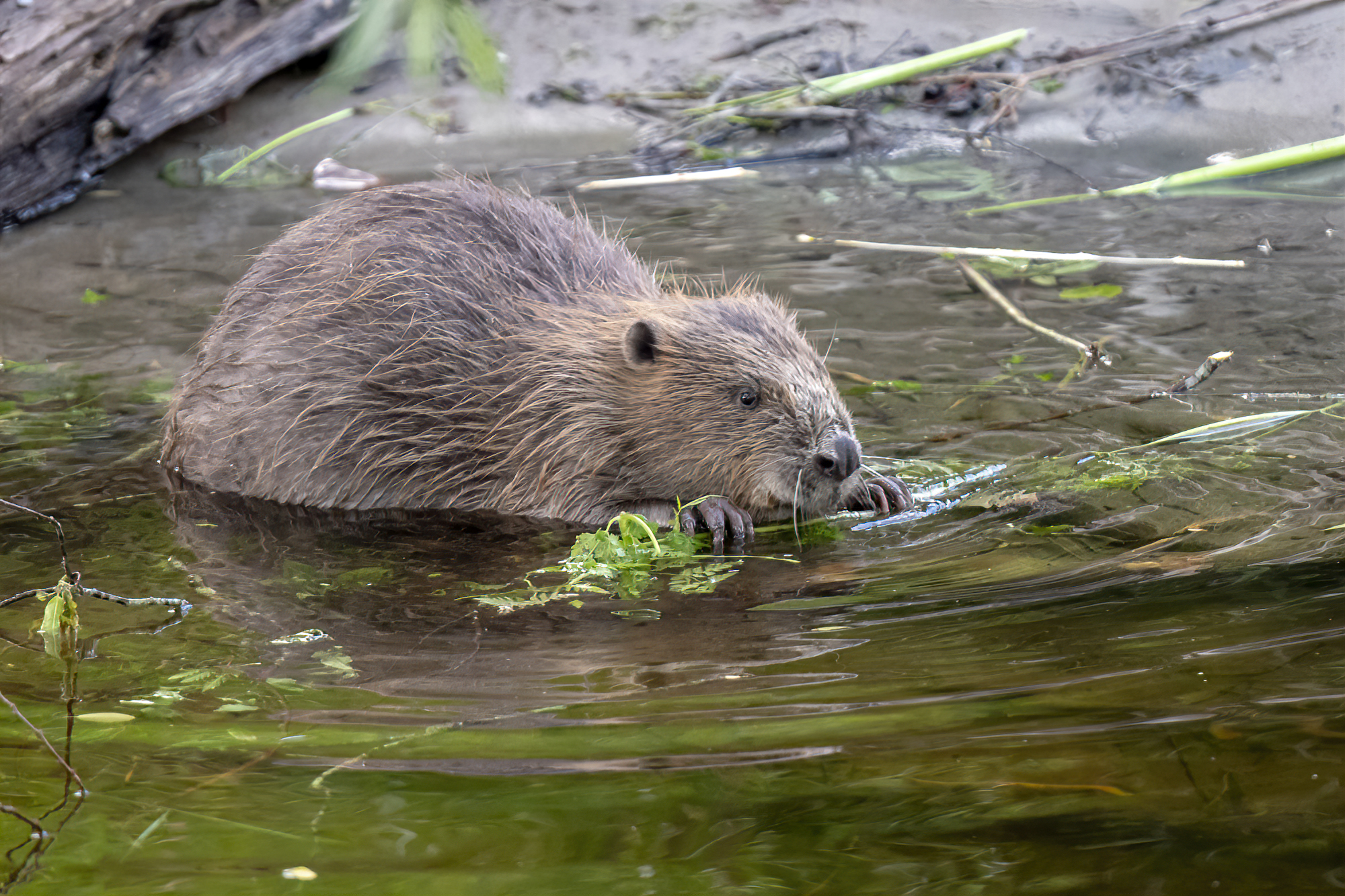
Next steps for beavers in the Cairngorms National Park
Beavers could be a step closer to returning to the Cairngorms National Park after an absence of 400 years, with the Cairngorms National Park Authority about to submit a licence application to allow for their release in the Park.
The six week formal engagement period – which gave people from all backgrounds and interests the opportunity to share their opinions on the return of this lost species – ended earlier this week (25 September). With the next step being the submission of a formal licence application to NatureScot, to relocate beavers from Tayside to three locations in the upper River Spey catchment.
The public engagement period included six public events in Badenoch and Strathspey and Aberlour – with specific events targeted at key communities including land managers, farmers, other businesses, residents and those with fishing interests – attended by over 100 people in total. Anyone with an interest could also comment online via a dedicated survey, which attracted around 500 responses, which revealed:
- Over two thirds of respondents were strongly in favour of returning beavers to the Cairngorms National Park.
- Nearly three quarters were favourable in some way.
- Around a third of responses were from Cairngorms National Park residents.
Sarah Henshall, Head of Conservation at the Cairngorms National Park Authority said: “Our sincere thanks to everyone who took the time to come to one of our public engagement events or who took the time to comment online on the proposals – with 500 comments received. And a massive thank you to all the partners who helped make these events a success.
“We are now in the process of compiling a report on the public engagement process and this will form a critical part of the licence application that will be submitted to NatureScot. We hope to hear the outcome of the application by November and should it be successful, we will be able to take the next steps towards bringing beavers back to the Park before the end of this year.”
As well as the public events, 14 site visits have also been carried out with land managers to discuss the possible impacts of beavers, with site specific advice and discussions around mitigation.
The first sites identified for potential releases are Rothiemurchus, Wildland Cairngorms and RSPB Scotland Insh Marshes.
Sarah added: “The project doesn’t end here, Jonathan, our Beaver Project Manager is still available for site visits, support and advice for land managers as the project continues – and should we be successful in our license application – we will be monitoring the areas that beavers are released into carefully.”
For more information on beavers in the Cairngorm National Park please go here.
Latest from the National Park
Time well spent as we stop to blether about farm realities
The latest column from our Agricultural Adviser - first published in the Press and Journal
Go ahead for Slugain Burn project
News from the October Park Authority Planning Committee
Restoring high altitude peatlands
Our Peatland ACTION Programme Manager on how we tackle high altitude peatland sites.