
Wader survey results
Wader survey results
The latest survey of breeding waders in the Cairngorms National Park shows a decline in numbers, with decreases recorded across all five monitored species since the last survey in 2021. The findings mirror national trends reported by NatureScot, which show a long-term decline in wader populations across Scotland over the past two decades.
The survey, co-ordinated by RSPB Scotland, forms part of the Strathspey Wetlands and Wader Initiative, a partnership project that has monitored breeding populations every five years since *2000. Thanks to an increase in farmers and volunteers taking part the survey had the greatest coverage yet, with birds monitored across more than 100 sites throughout the National Park. The survey now includes a larger and more representative sample of farmland habitats, providing a stronger baseline for comparison in future years.
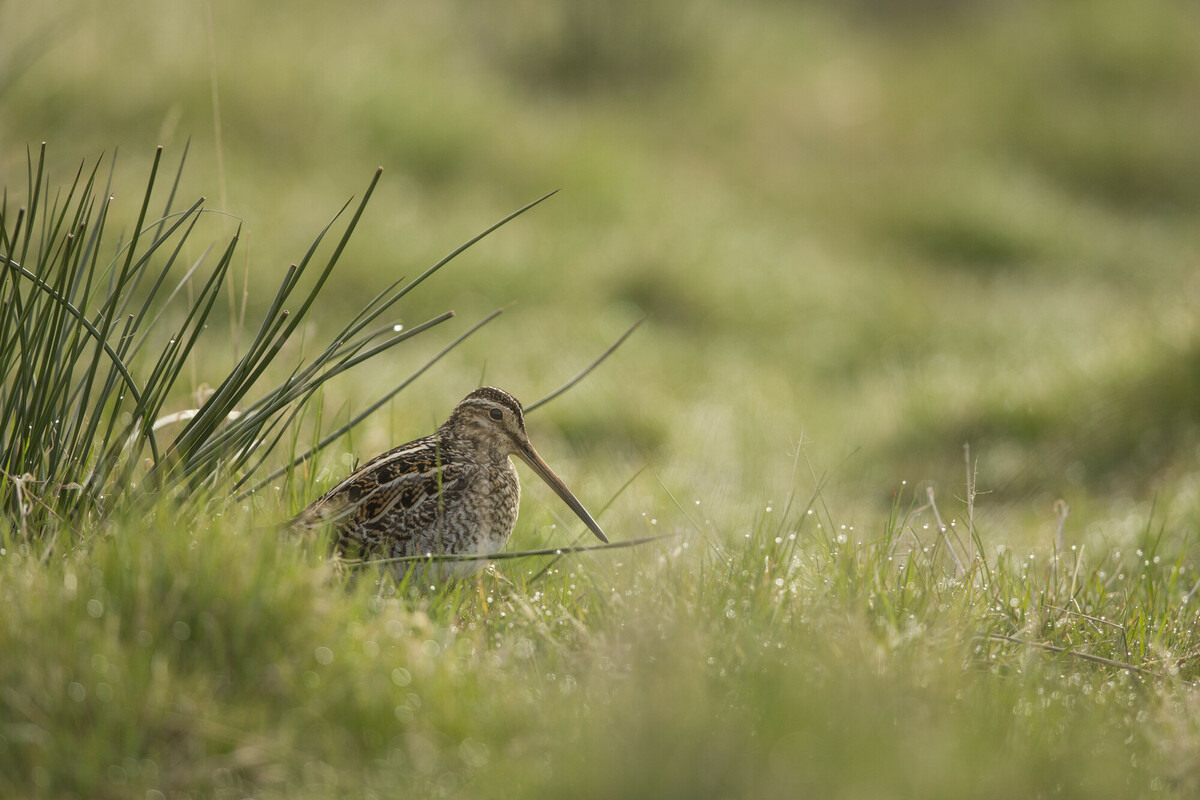
Survey results showed that redshank recorded the most significant decline (45%), followed by lapwing (25%), curlew (24%), snipe (18%) and oystercatcher (15%). The figures were shared with those who took part at three events this week in Kincraig, Boat of Garten and Tomintoul.
The causes behind the declines are still being analysed and a full report will be published in late 2026. Early indications suggest the birds may be facing a combination of pressures including habitat loss and predation. The increased number of survey sites may also have influenced the overall results, as well as evidence of some birds moving to land outside the surveyed area. Other factors which could be influencing numbers include very dry summer weather, reduced insect food sources for chicks and aging bird populations.
Despite the overall decline there is hope, with increases seen at 16 sites in Strathspey and Badenoch and four in Grampian which are linked to habitat work carried out by farmers and land managers across the National Park.
Kate Clarke, Conservation Advisor at RSPB Scotland, said: “The overall picture is concerning, but we have seen increases in some areas and it’s not too late to turn things around. We continue to work with farmers, crofters and land managers through the Strathspey and Grampian Wetlands and Wader Initiatives, including carrying out habitat management, providing a machinery loan scheme and improving habitats on our own nature reserves. We are immensely grateful to the farmers and volunteers who have supported the survey and are working to help these species.”
Malcolm Smith, Agricultural Advisor at the Cairngorms National Park Authority, added: “I’d like to take this opportunity to thank everyone involved in the survey, particularly the farmers whose commitment and participation has helped provide valuable new insight into wader populations across the National Park. Thanks also go to those farmers and land managers who have been involved in projects to support waders on their land, where targeted habitat work has helped contribute to local increases in populations.
“We will also be speaking with farmers and other land managers to gather their views on issues such as habitat management, predator management and nest protection. Identifying the reasons for the decline is crucial in deciding next steps. Research and monitoring, alongside knowledge gained from farmers’ experience, will help us build a better understanding of what is affecting breeding waders.”
By examining the behaviour of birds recorded during the survey, as well as sightings of chicks, the initiative aims to build a clearer picture of breeding success and nesting patterns.
The results will also help inform practical measures to support wader populations. These include creating scrapes - shallow temporary pools that provide valuable insect-rich feeding areas for waders - as well as habitat management such as cutting back dominant rushes. This work improves nesting conditions by giving birds an unobstructed view of their surroundings, helping them detect and respond to potential predators.
Looking ahead, the project will also explore additional measures to help reverse the declines, including trials of diversionary feeding for predators.
Kate Clarke concluded: “Securing a future for these birds will only be possible through continued collaboration, exploring new techniques and research to understand the bigger picture. This must also be supported by strong policies and funding for nature-friendly farming.”
Latest from the National Park
Go ahead for Slugain Burn project
News from the October Park Authority Planning Committee
Restoring high altitude peatlands
Our Peatland ACTION Programme Manager on how we tackle high altitude peatland sites.
The King visits Lochan Uaine
His Majesty visited Lochan Uaine in the Cairngorms National Park this morning to unveil a commemorative stone and meet members of the community who were affected by the recent wildfire.