Digging deeper
Peatlands aren’t just ecological treasures; they’re cultural ones too. Because peat forms slowly and preserves material exceptionally well, it can protect traces of human life, from prehistoric structures to forgotten boundary markers, often hidden just beneath the surface. This means archaeology must be considered carefully in every restoration project to ensure that, while we rebuild ecosystems, we also safeguard the stories held within them.
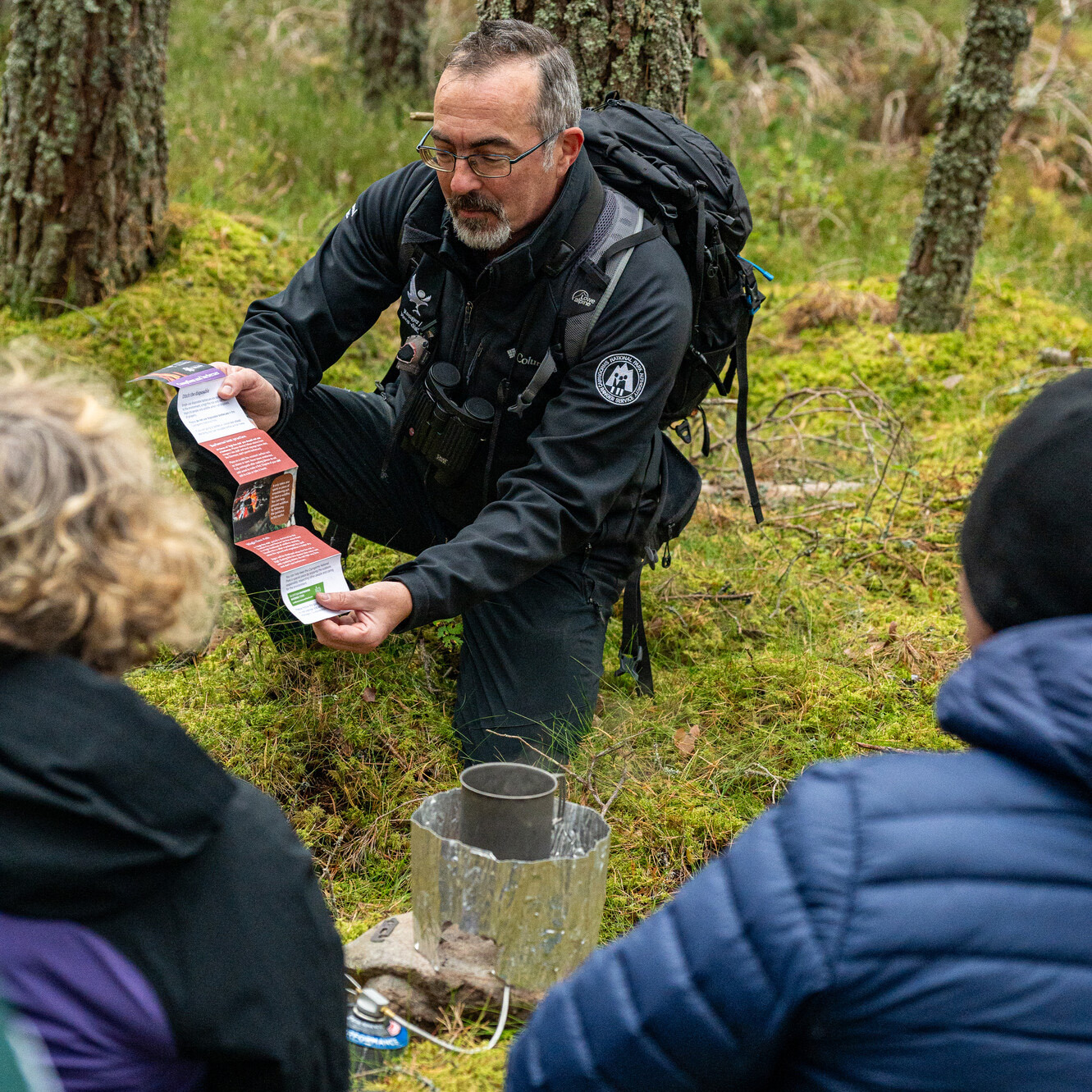
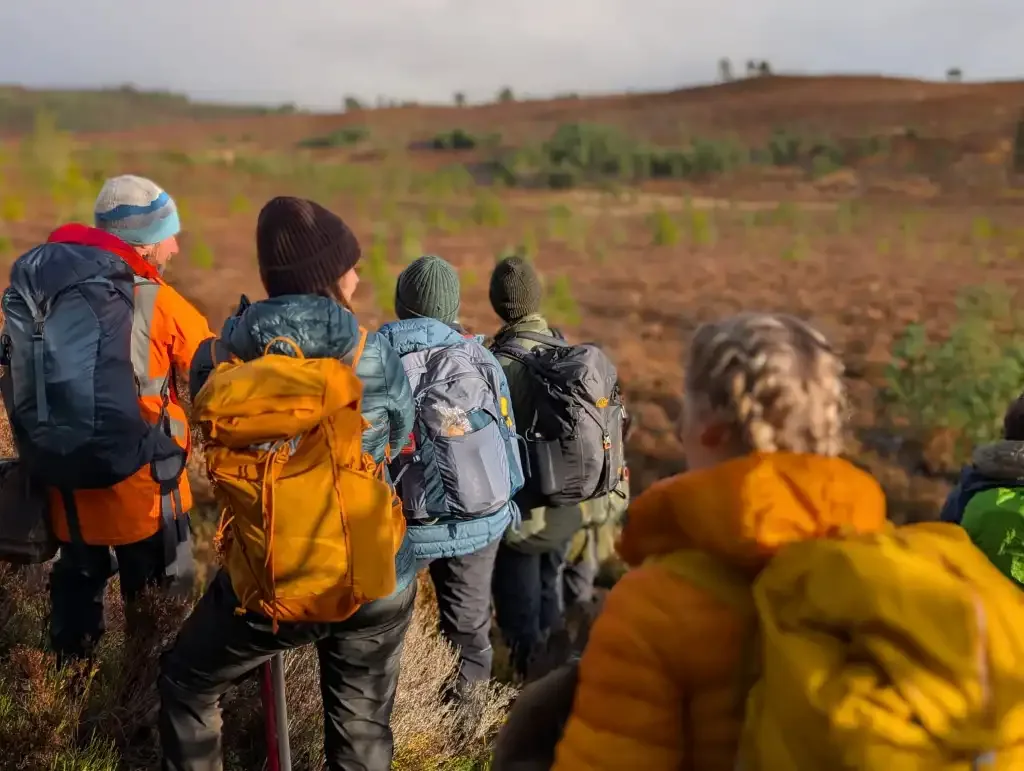
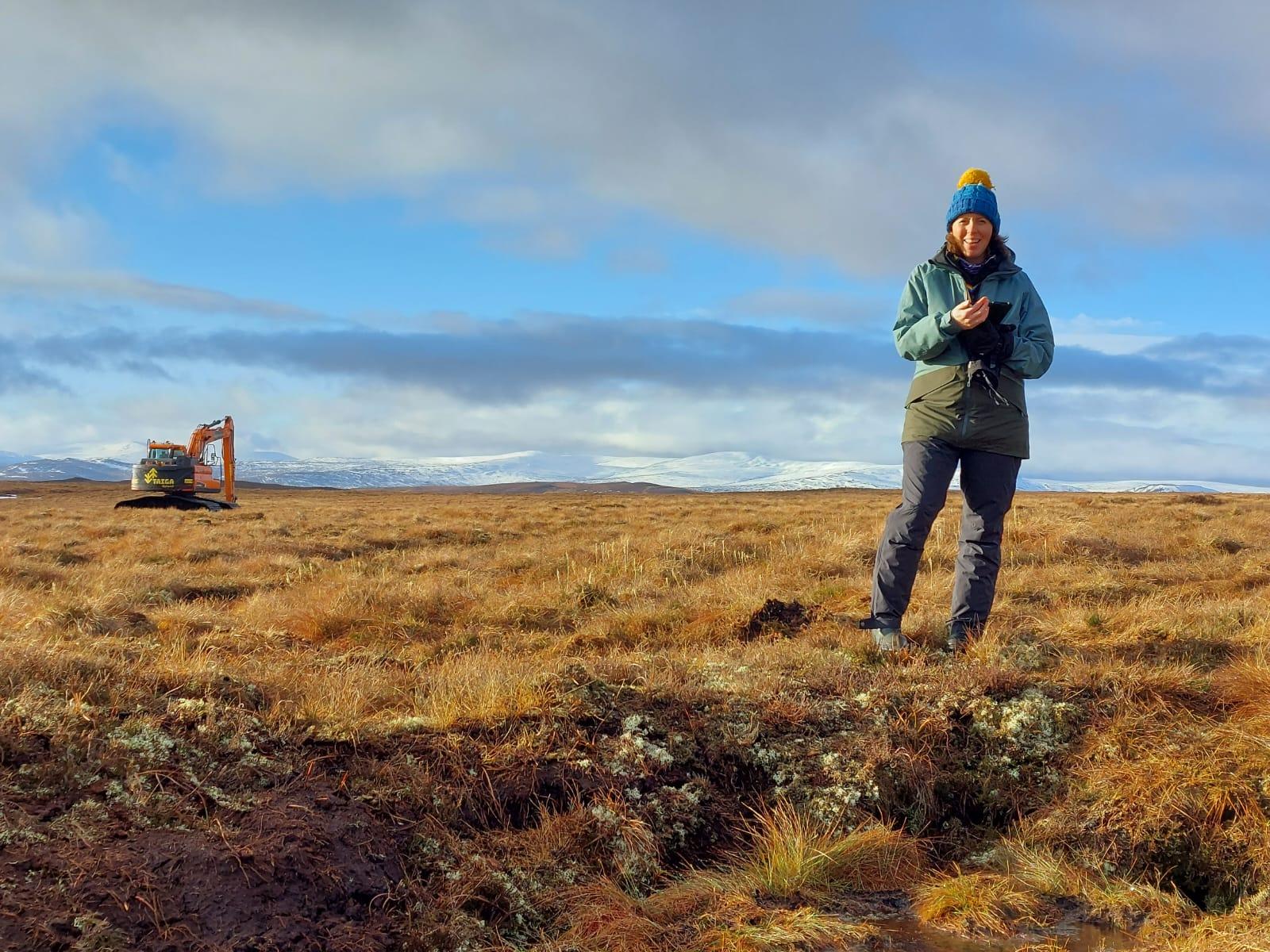
To strengthen our skills in recognising and recording these features, the Cairngorms Peatland ACTION team recently spent a day with Highland Archaeology Services, led by the enthusiastic Lachlan McKeggie. Swapping our usual focus on restoration techniques for a crash course in historic environment surveying, we learned how to understand the landscape through an archaeological lens: where to look, what to look for, how to check desk-based records, and, crucially, how to document what we find.
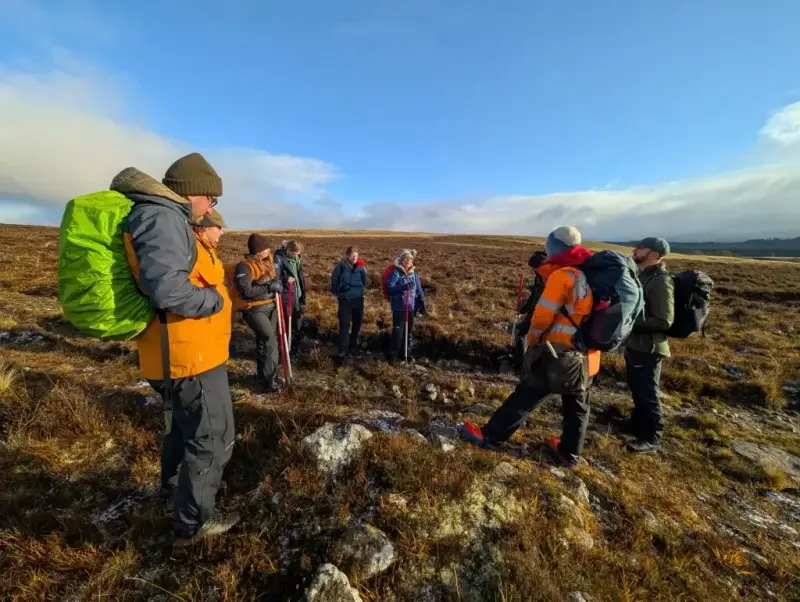
It was a genuinely brilliant day in an area covered in signs of past human activity. Armed with Lachlan’s advice, a Geode GNSS receiver and some tablets, we even managed to trace the outline of a possible hut circle despite sub-zero temperatures and short daylight hours. By the end, we’d not only brushed up on our technical skills but also built confidence in spotting heritage features that might otherwise go unnoticed during project planning.
And just a few months later… that training paid off.
While delivering a project on Atholl Estates, Project Officer Joel Johnson was made aware of an unrecorded feature on a project site on Atholl Estate: an old well known as “The Queen’s Well”. The estate keepers knew of its existence, but it wasn’t listed on the Historic Environment Record, meaning it could easily have been overlooked during restoration work. A record of the feature was made by Joel and Project Assistant Tom Fredriksson which was sent to Perth and Kinross Council’s archaeology team, as well as being mapped with an exclusion buffer to protect the feature during operations.
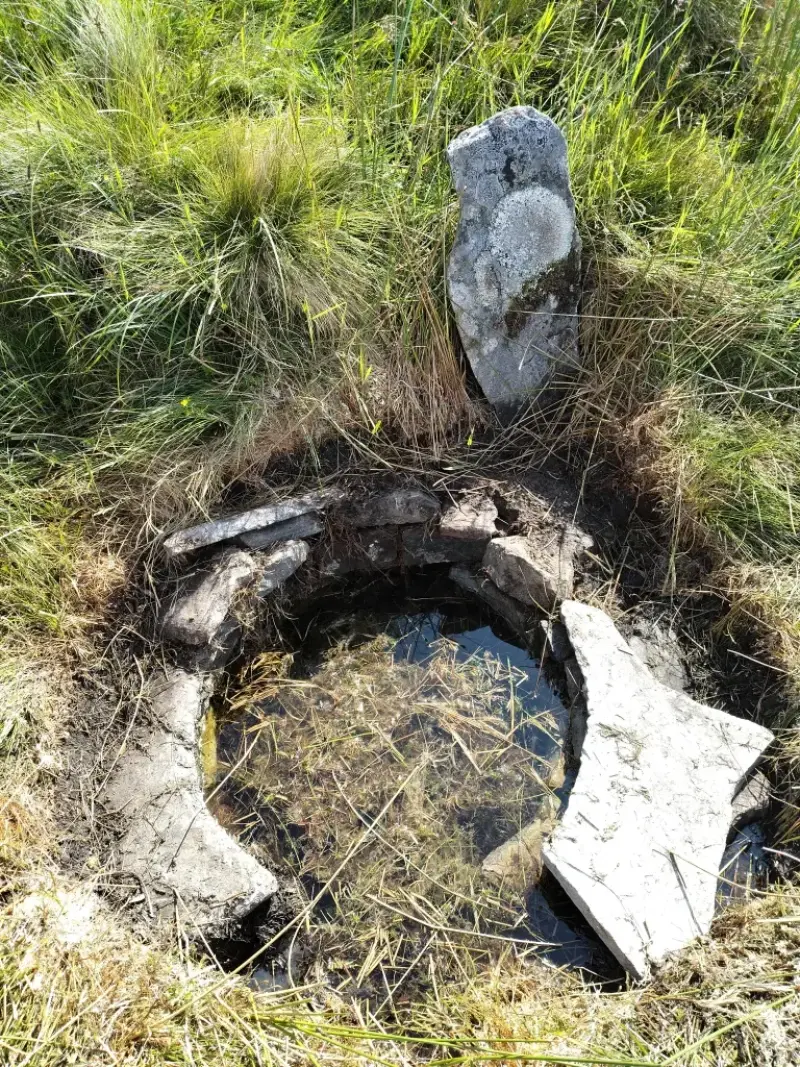
This reinforces exactly why this training matters. Protecting peatlands requires understanding the full landscape, natural and cultural alike.
This project is delivered through Peatland ACTION, and is also part of the Cairngorms National Park Authority’s Cairngorms 2030 programme. Click here to find out more about Cairngorms National Park Authority’s peatland work.
Alert

Relevant alerts
-
There is an ongoing wildfire situation at Glenmore within the Cairngorms National Park. Click here for all the latest. We would encourage members of the public to follow current guidance and be aware that the situation may change.
-
Very high fire risk - 15 to 24 July
The Scottish Fire and Rescue Service has issued a very high wildfire warning impacting areas of the National Park on Wednesday 15 until Friday 24 July. If you are out and about in the Cairngorms National Park please observe the following guidance:
- Do not light any fire or barbecue, in line with the new fire byelaw
- Always ensure cigarettes are fully extinguished and take your litter (including glass) away with you
- Enjoy the outdoors responsibly - most wildfires are caused by human activity
- Stay alert - with dry vegetation and warm weather, fires can start easily, spread rapidly, and burn intensely
- If you see a wildfire, dial 999
For further updates on wildfire risk across Scotland, visit the Scottish Fire and Rescue Service website. To find out more about the fire byelaw, and to see your questions answered, visit our fire byelaw page here.
More news and views
-
Glenmore and Strath Nethy wildfire update - 26 July at 8pm
-
Glenmore and Strath Nethy wildfire update - 25 July at 11am
-
Glenmore and Strath Nethy wildfire update - 24 July at 8.30pm
-
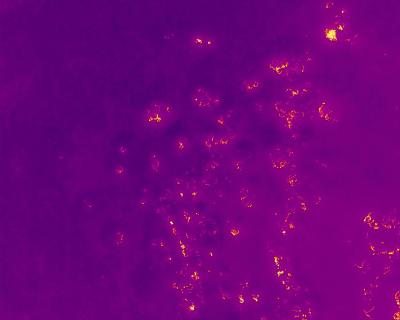
Glenmore and Strath Nethy wildfire update - 24 July at 4.15pm
-
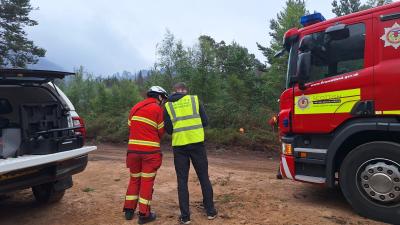
Glenmore wildfire update - 23 July at 5pm
-
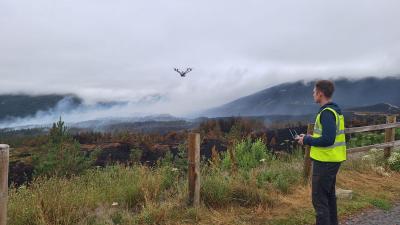
Glenmore wildfire update - 22 July at 9pm
-
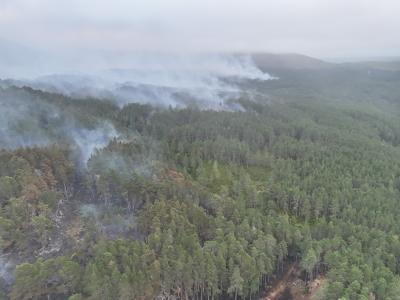
Glenmore wildfire update - 21 July at 5.30pm
-
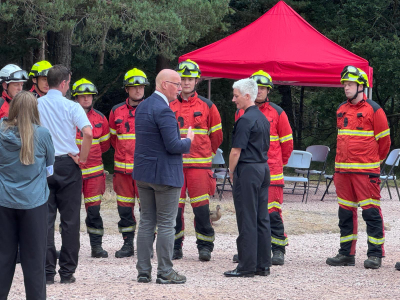
First Minister visits Glenmore wildfire site