
Capercaillie conservation in the spotlight for CNPA Board
Capercaillie conservation in the spotlight for CNPA Board
Capercaillie conservation in the spotlight for Cairngorms National Park Authority Board
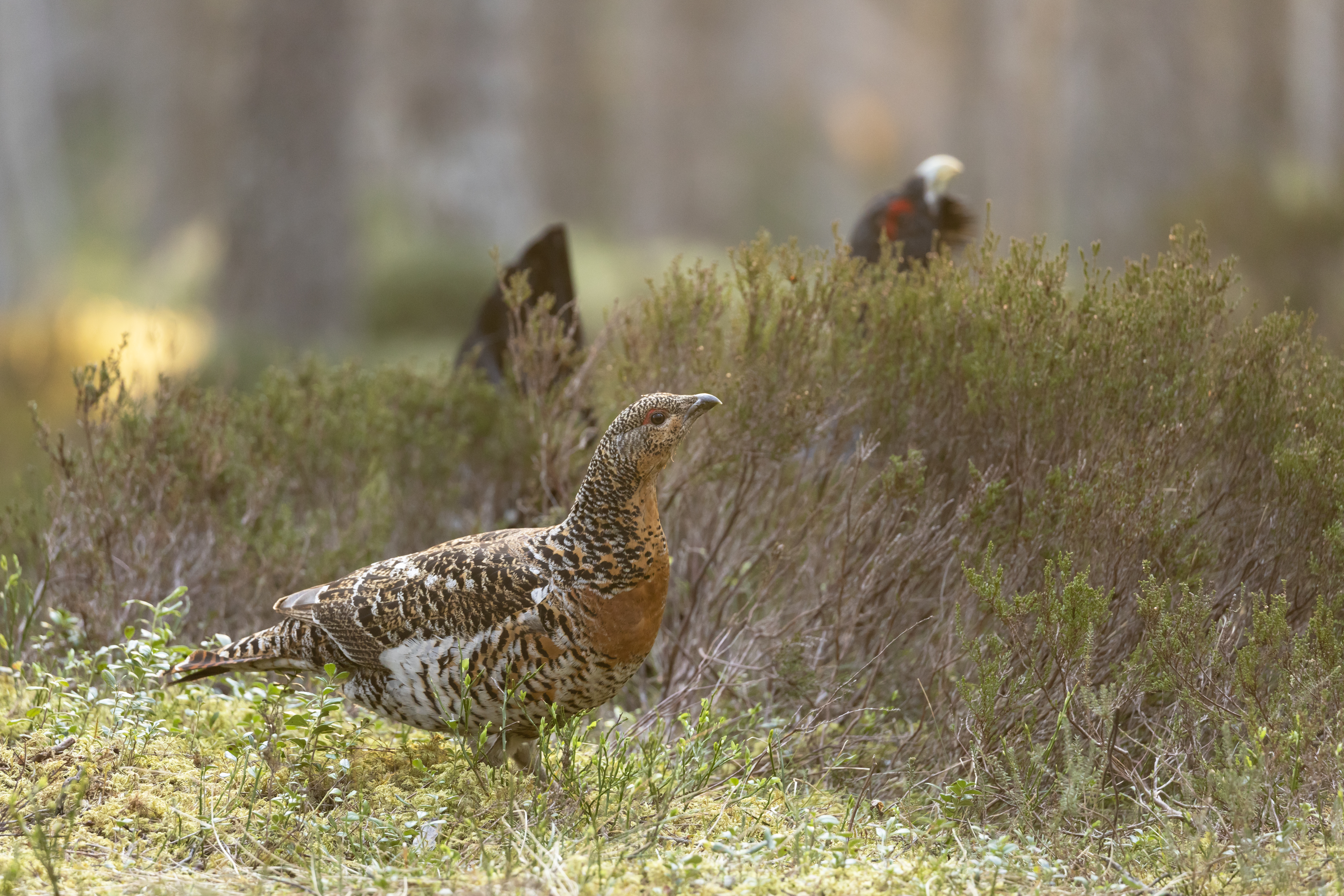
The board of the Cairngorms National Park Authority have agreed to support a range of measures to help capercaillie, following the publication of a scientific report earlier this year, which said urgent action was required if the species is to survive.
Members were asked to consider a range of options to support capercaillie and to advise on the CNPA’s key priorities for action, taking account of the NatureScot Scientific Advisory Committee (SAC) report and the CNPA led Cairngorms Capercaillie Project.
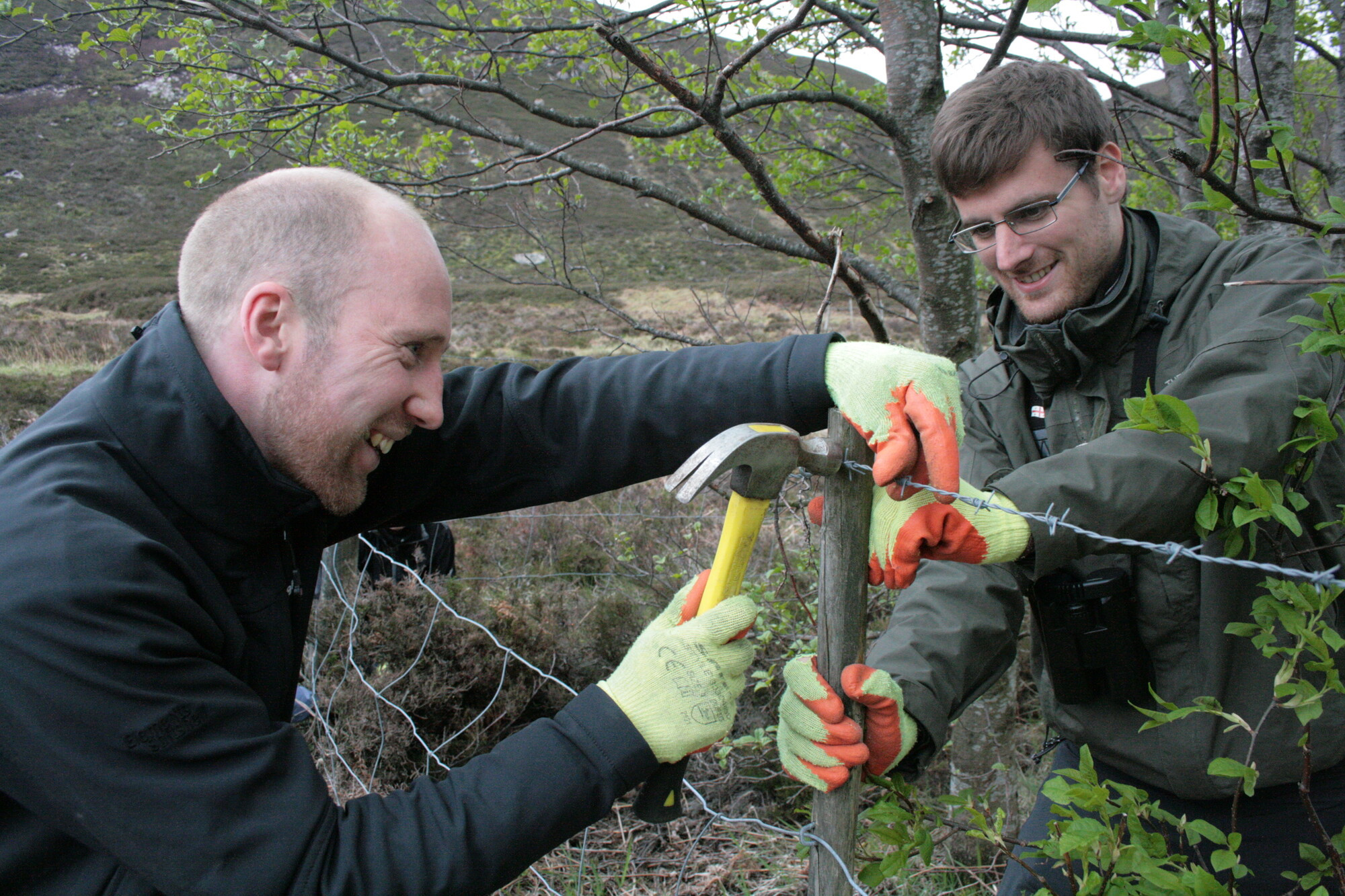
The options presented to members include looking at new ways of preventing disturbance to capercaillie by human activity; possible expansion of diversionary feeding of predators; enhanced predator management and consideration of measures to remove protected species from core capercaillie areas; along with fence marking and removal.
The CNPA has been supporting land managers involved in capercaillie conservation since the publication of the capercaillie framework in 2015, as well as taking forward the strategic coordination of conservation efforts. In 2018, working with a wide range of partners, the Park Authority was successful in the development and subsequent delivery of The National Lottery Heritage Fund-backed Cairngorms Capercaillie Project, which puts people at the heart of capercaillie conservation in order to find sustainable solutions to the issue of human disturbance and other causes of population decline.
Speaking after the CNPA board meeting which took place on Friday (10th June), Director of Nature and Climate Change, Andy Ford said: “The recent NatureScot SAC report highlighted that, despite a huge amount of work being done across the Park by a range of organisations and land managers, we need to go further to reverse the decline of this iconic species.
“Capercaillie conservation is a collective effort and it is crucial that the CNPA prioritises those areas where we can have greatest impact and it’s important we identify where we should take a leadership role. Last week’s meeting was an important opportunity to discuss a range of practical measures that could be taken forward to help the species and to determine where the Park Authority should focus its efforts, and where it should support the work of others, adding value to this shared endeavour.”
There are believed to be fewer than 1,000 capercaillie left in the wild in Scotland, with more accurate population figures set to be released later this year following spring lek counts and the results of the national survey. The NatureScot SAC report stated that capercaillie could be lost within two to three decades in Scotland if action is not taken quickly and that employing a single option of those issues listed will not be sufficient to prevent further population declines. Instead, it proposed that action should be taken on all key areas and that any interventions will need to be carried out on as wide a scale as possible within the core area of Badenoch and Strathspey.
Xander McDade, Convener of the CNPA board said: “Given the current rate of decline, I firmly believe that there is a need for action that will achieve quick results. As such, we need to act swiftly and decisively, which is why I am happy to support the recommendations set out in the board paper.
“Capercaillie are a key species in the Cairngorms National Park, and it is therefore extremely important that the Park Authority should focus on the areas of work that will have the most impact. It would be catastrophic if we were to lose capercaillie from our native woodlands, so as an organisation, let’s make sure we are championing the areas of work outlined.”
To read the board papers in full please go here.
ENDS
Latest from the National Park
LDP Evidence Report agreed by Scottish Government
The agreement follows two years of evidence gathering, consultation and engagement with people who live and work in the National Park
Park Authority welcomes Ministerial Statement on wildfires
Justice Secretary Neil Gray MSP update on aerial support for wildfires
Communities shift up a gear with cycle hub funding awards
Making it easier for people to choose cycling for everyday journeys