Campervans and motorhomes
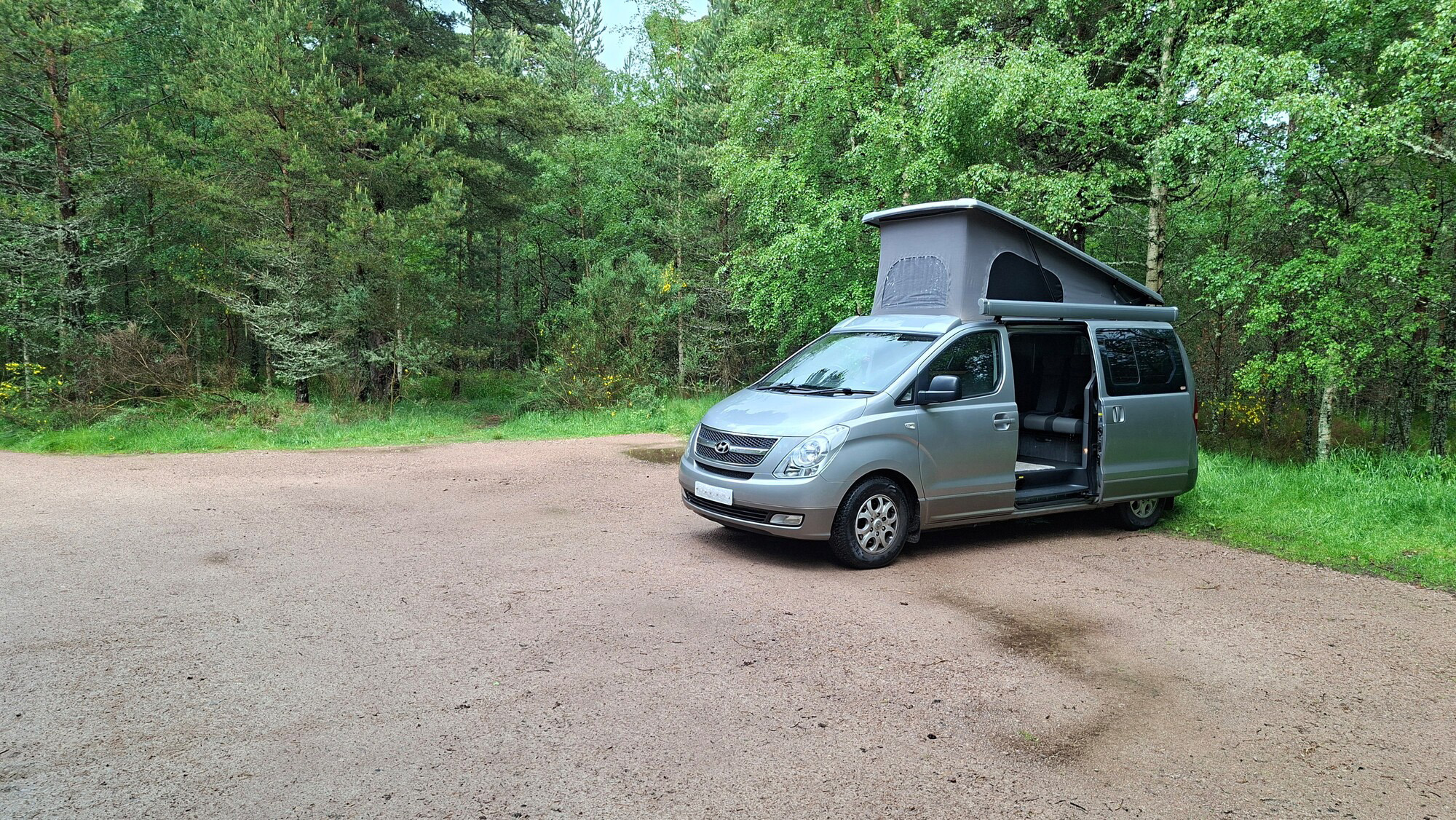
Whether you’re exploring in a campervan, motorhome or with a roof tent, there’s an adventure in store. As soon as you wake up, it’s a feast for the senses – from breathing in fresh mountain air to listening to the sounds of iconic wildlife.
This area isn’t just home to spectacular scenery, it’s home to some of the best food, drink and hospitality in Scotland. Pop into cafe, shops and restaurants for a real highland experience and buy local produce at village shops and street markets.
To help you get on the road and have an amazing adventure our interactive map is full of information. From helping you find the best spots to park up, to all the essentials like public toilets and waste disposal points it’ll help you plan a stress-free, responsible trip. The map features:
Caravan and camp sites - all these sites welcome caravans, motorhomes, campervans, roof-tents and tents (unless otherwise stated) and have facilities and full services.
Overnight parking – aire sites and authorised overnight parking locations. Please follow any site guidance and make payment where requested. Most of these locations don’t have any facilities so are only suitable for self-contained motorhomes or campervans with onboard toilets.
Waste service points – disposal facilities for grey water and chemical waste (black water). Most locations also offer freshwater top-up.
Barbecues permitted – these caravan and camp sites have dedicated barbecues areas or permit responsible off-ground barbecue use.
Please note a byelaw prohibits the use of barbecues in the countryside or at any overnight parking location between 1 April – 30 September. If you wish to have a barbecue, please use one of these caravan and camp sites.
Featured
Things to do
The Cairngorms National Park has plenty to inspire adventures for visitors and residents.
Cairngorms National Park Partnership Plan, 2027 - 32
Have your say on the draft Partnership Plan; consultation closes 13 January 2027.
What we do
From pioneering conservation projects to community engagement and active travel, find out more about the range of work happening across the National Park.
Exploring responsibly by campervan and motorhome
The Cairngorms National Park is a special place, with stunning landscapes and rare wildlife. Please help us look after it by parking up responsibly and leaving no trace.
- Respect the privacy of others and move on after one night. As ‘van life’ becomes more popular, the collective impact on sites is felt by people and nature.
- Leave no trace - always collect all waste water (including grey water) and take your rubbish and dirty water away with you for disposal at an authorised waste service point (see map for locations of waste service points).
- If you don’t have an onboard toilet, ‘go’ at least 30 metres away from lochs, rivers and streams. Dig a hole and bury solid waste and bag any toilet paper and sanitary items and dispose of them in a bin.
- Respect the environment - avoid driving on vegetation and sensitive habitats, in the evenings keep noise and lighting to a minimum so you don’t disturb wildlife.
- Our car parks get very busy during the daytime, so park considerately and leave space for others. Don’t take up another parking space by extending canopies or putting out chairs.
- Never park in passing places on single-track roads, in front of gates or in field entrances.
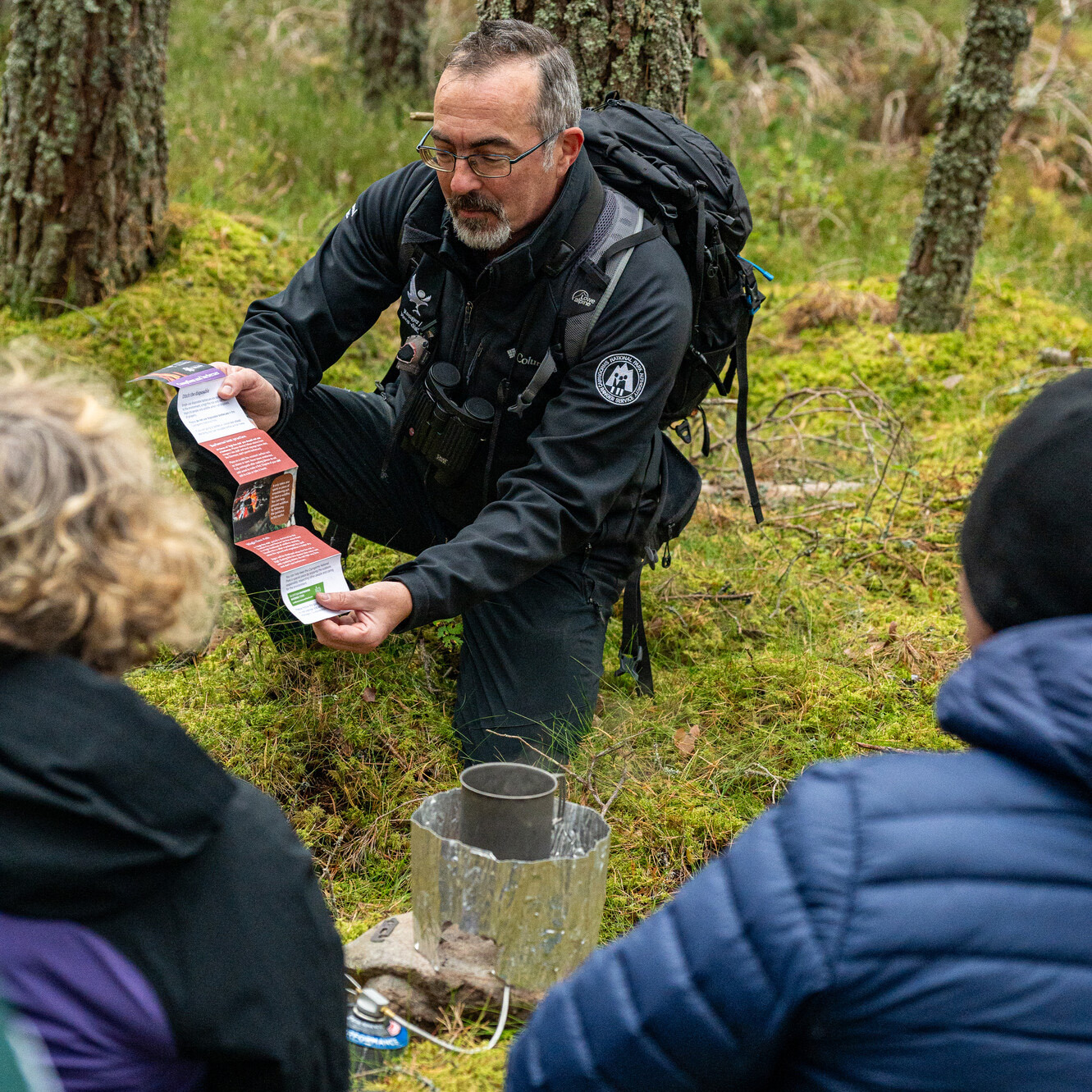
- Follow our seasonal byelaw and do not light a campfire or use a barbecue between 1 April and 30 September. Camping stoves that use gas or liquid fuel, and gas barbecues, may be used for cooking.
Frequently asked questions
Formal roadside laybys may be used for overnight parking, but camping is not permitted. To be considered parking all activity must be contained within the vehicle, which means no awnings, tables, chairs or cooking outside the vehicle.
Roadside laybys and public car parks are covered by roads legislation (Roads (Scotland) Act 1984) or traffic orders, so you must comply with any parking conditions, such as paying a charge or time limitations. These conditions will be displayed on a sign.
Off-road parking overnight in areas such as in woodland parking areas, tracks, old roads and pull-offs next to roads requires landowner permission. If this is not clear, or there is a sign stating ‘no overnight parking’, then please move on and park elsewhere.
Such off-road areas are private property and are not covered by roads legislation or any other legal entitlement, so you need the landowner’s permission to park. If you sleep overnight in a vehicle on private land, this is likely to be considered ‘encampment’ which is an offence under the Trespass (Scotland) Act 1865.
The Scottish Outdoor Access Code does not apply to the use, or parking of, campervans, roof tents and motorhomes. It does not give a legal right to park in a vehicle or occupy it overnight.
‘Wild camping’ is carrying all your kit in a rucksack (or on your bike) and camping responsibly in a small tent in a location where access rights apply (usually somewhere remote). Wild camping does not include camping in a vehicle or camping in a tent near, or mounted on, your vehicle.
No – roof tents are classed as vehicles. The overnight parking advice given here for campervans and motorhomes also applies to cars with roof-tents.
There are several places in the Cairngorms National Park where you can dispose of your grey water (eg washing-up water) responsibly. Check out our campervan map to find a site near you.
Please never let your dirty water just empty onto the ground, it is contaminated with things like detergent and grease which can pollute the ground and rivers.
Sites where you can safely dispose of chemical waste (also known as black water) from your campervan or motorhome are pin-pointed on our campervan map. Please use a specific chemical disposal point (CDP), chemical waste should not be emptied into public toilets.
Never discharge chemical waste to the ground, or empty into road drains, ditches, or drainage systems. This is not only illegal but creates significant environmental pollution and public health issues, putting the wildlife and people of the National Park at risk of harm.
Yes, there are many public toilets, including several Changing Places facilities in the Cairngorms National Park – you can see all locations on our campervan map.
If you don’t have an onboard toilet and need to ‘go’ and are somewhere more remote, ‘go’ in a private spot at least 30m away from lochs, rivers and streams. Dig a hole and bury solid waste. Bag any toilet paper and sanitary items and dispose of them in a bin.
Some registered campsites allow barbecues – you can see where these are on our campervan map. Out with these specific sites, it is not permitted to light a campfire or use a barbecue between 1 April and 30 September anywhere in the Cairngorms National Park. For more information on the seasonal fire byelaw.