
Emergency plan launched to boost capercaillie numbers in Scotland
Emergency plan launched to boost capercaillie numbers in Scotland
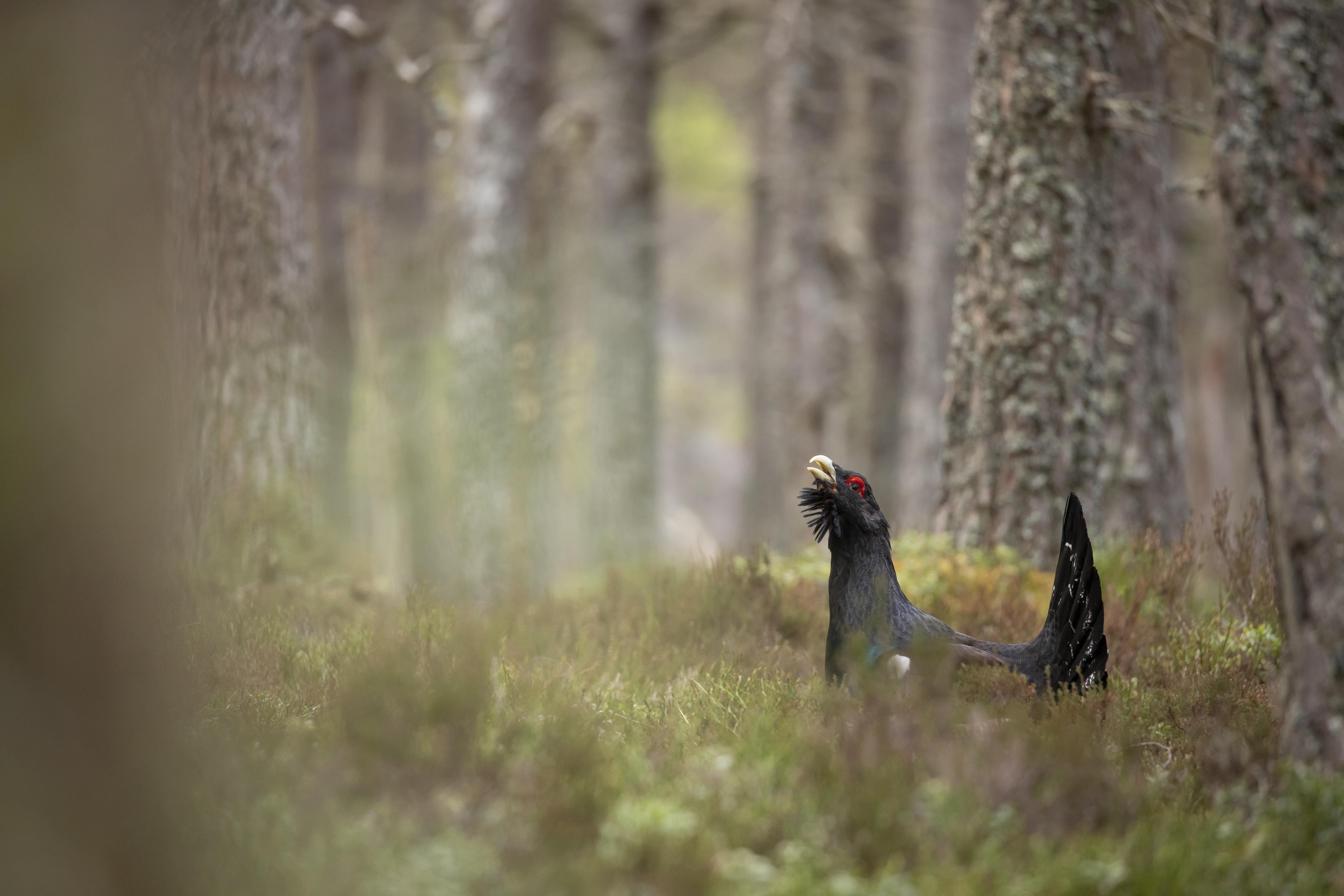
The Cairngorms National Park Authority and NatureScot have launched a five-year Capercaillie Emergency Plan to help the capercaillie population recover in Scotland. Initiated by the Scottish Government, the plan involves a wide range of partners across the public, private and third sectors, and sets out a clear roadmap of actions in a bid to secure a brighter future for the species.
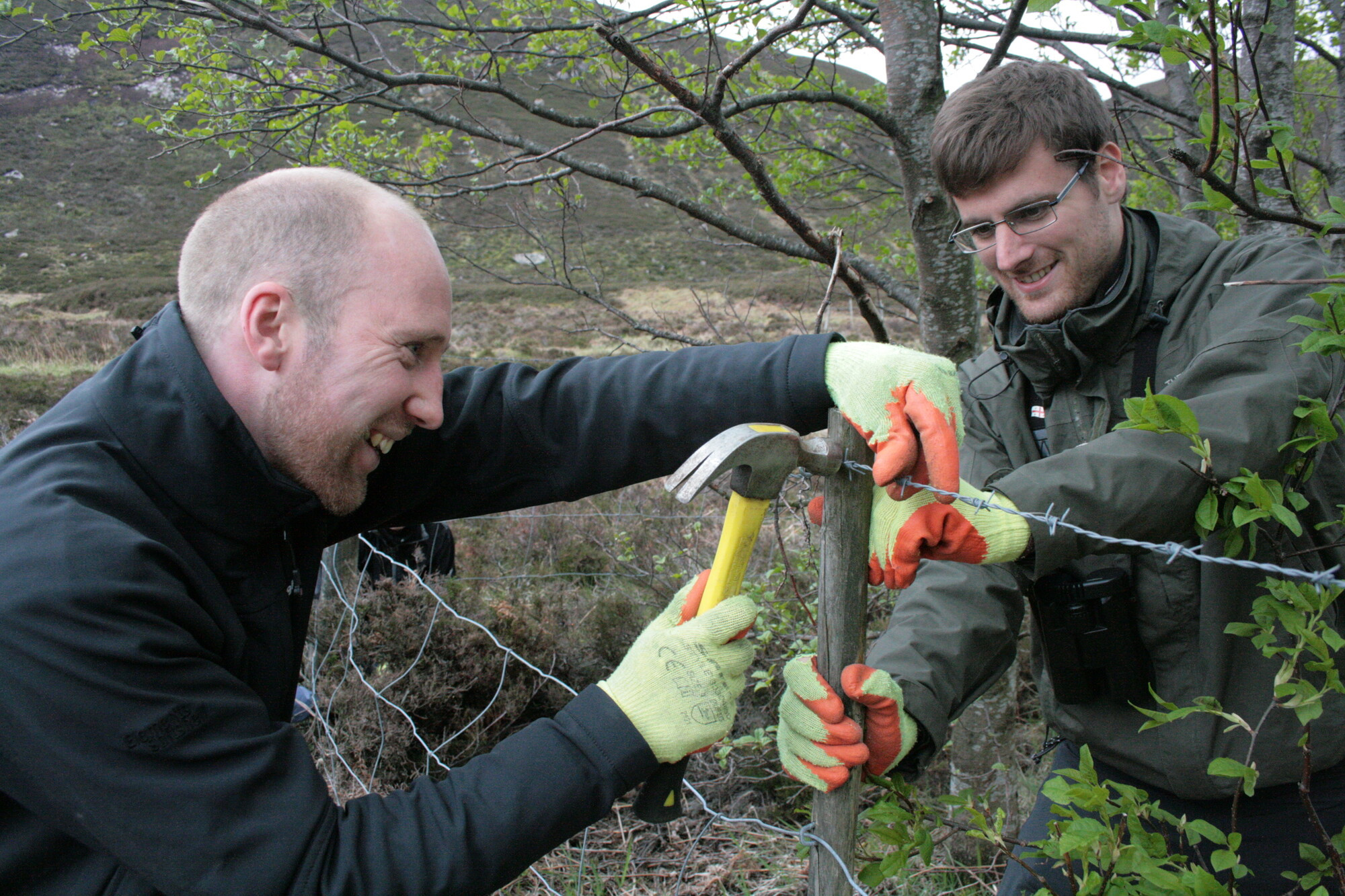
With only around 532 capercaillie remaining in the UK, NatureScot commissioned its Scientific Advisory Committee to investigate the critical situation. A number of key areas were highlighted in the Committee’s report including human disturbance, predation of young and fence removal, which, if tackled together, could improve capercaillie survival and breeding success. These areas are addressed in the Emergency Plan published today.
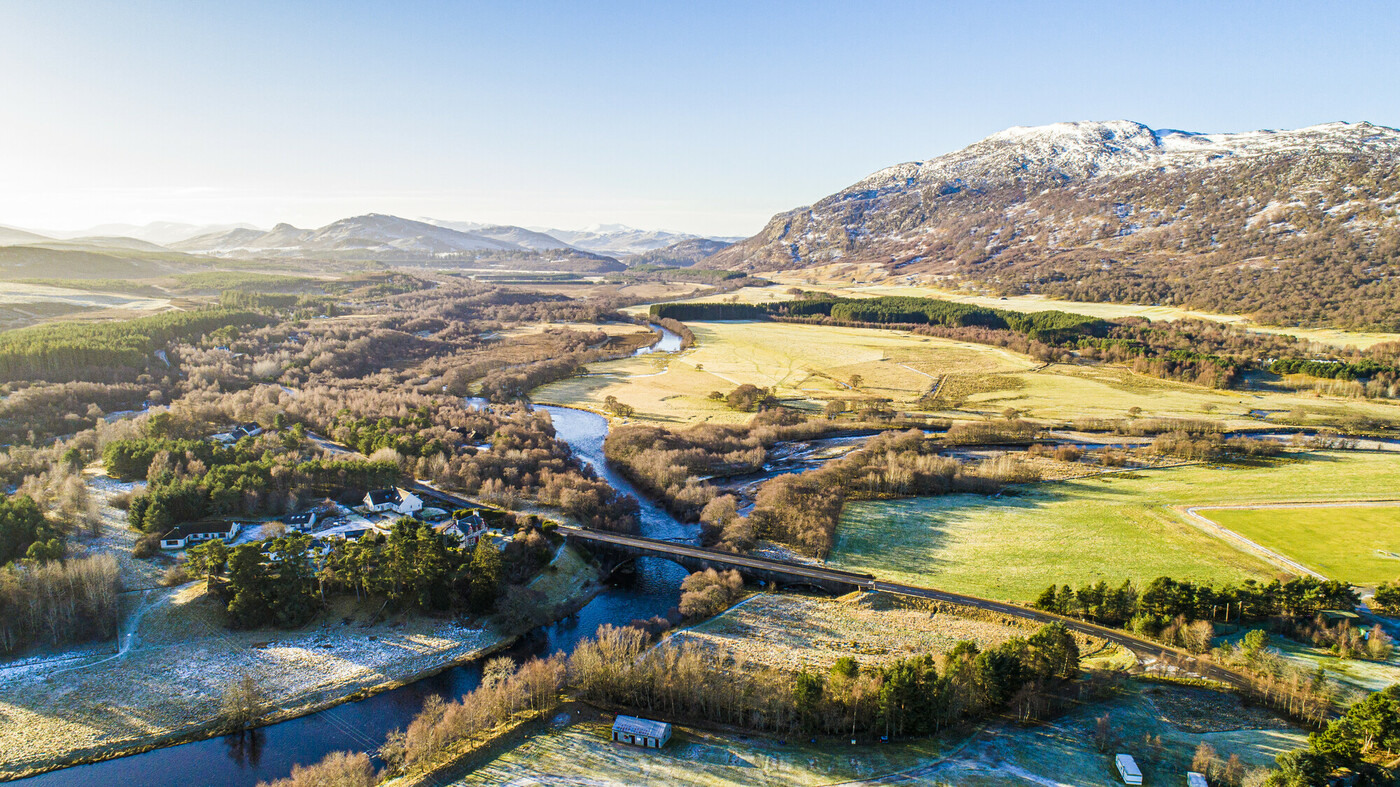
Andy Ford, Director of Nature and Climate Change at the Cairngorms National Park Authority, said: “The Cairngorms National Park is home to 85% of the UK capercaillie population, so action in the National Park is critical. Protecting capercaillie has always been a collective effort. Thanks to the Cairngorms Capercaillie Project more people than ever before are now actively helping the species alongside the longstanding efforts of land managers and organisations. Given the scale of the task ahead to boost capercaillie numbers in Scotland we remain realistic but optimistic that a huge collective effort will make a positive difference.”
Eileen Stuart, NatureScot’s Deputy Director of Nature and Climate Change, said: “This is the most comprehensive plan of its kind ever produced for this iconic bird, bringing together stakeholders from every aspect of capercaillie conservation. With such low numbers, the species is predicted to become extinct in the next 20 to 30 years unless more action is taken at scale and on all fronts. The Emergency Plan will do just that and is the result of intensive work with over 100 stakeholders who are all committed to safeguarding the future of capercaillie. Requested by Scottish Government, the plan will tackle the multiple issues facing capercaillie at a pace and scale to help the species recover.”
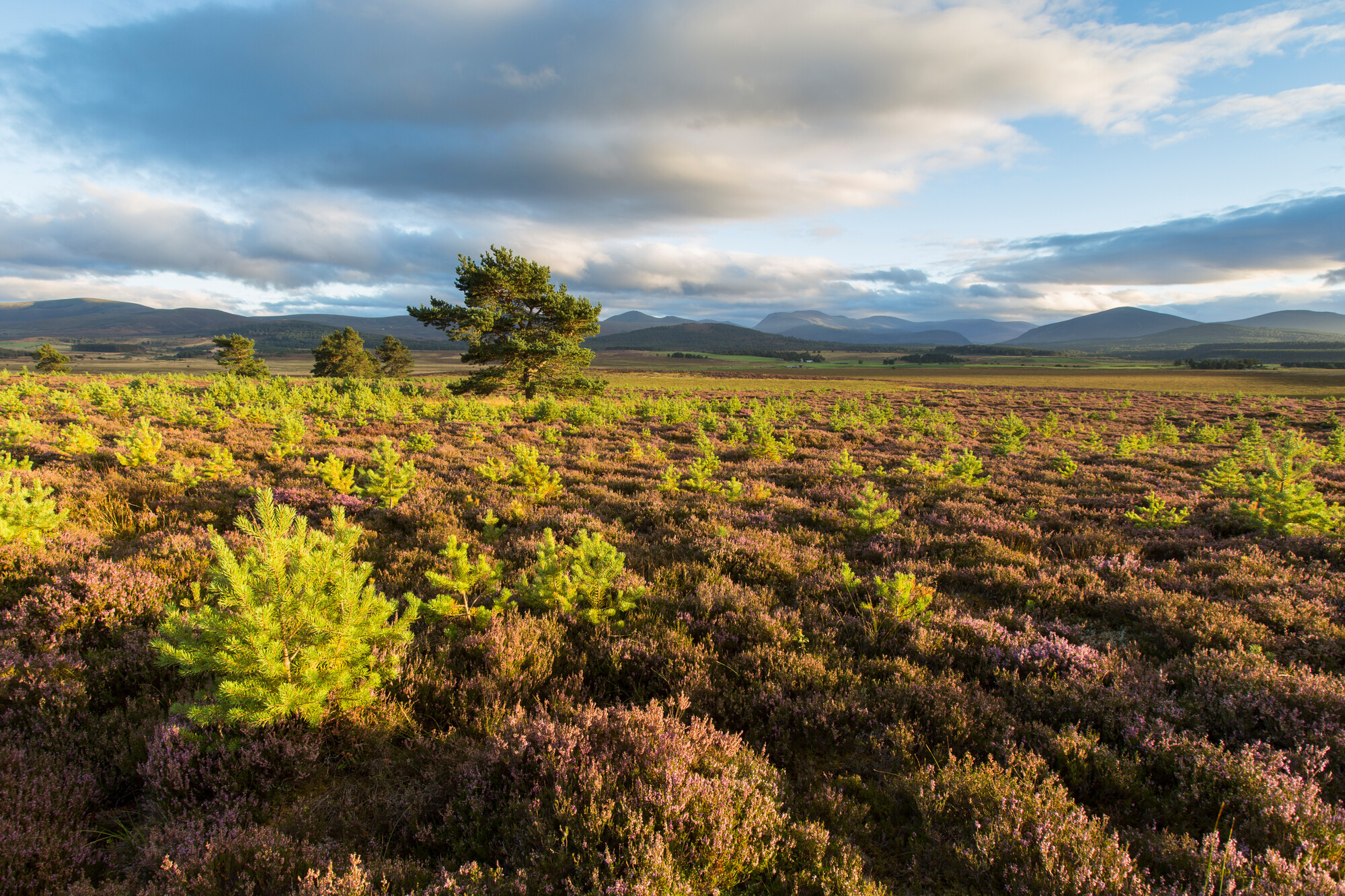
Whilst there is no single ‘silver bullet’ solution to tackle the decline of capercaillie in Scotland, the Emergency Plan identifies clear priorities across a range of areas, underpinned by the continued commitment to woodland creation in the National Park. A minimum of 35,000 ha of new woodland cover will be created by 2045. The Emergency Plan will ensure that this includes creating new native woodlands and improving those that exist now through, for example, supporting cattle grazing to increase diversity. Improving and expanding woodlands will create more habitat in the right places for capercaillie, alleviating some of the pressures from disturbance and joining up existing fragments.
Alongside land management practices to improve habitats, such as woodland grazing and forest bog restoration, the plan also includes actions to reduce the impact of predators – including pine marten and badger – through diversionary feeding, which has been proven by the Cairngorms Connect Predator Project to increase the chances of artificial nest survival by 83%. Early analysis also indicates a higher chance of finding capercaillie with young when diversionary feeding is in place.
NatureScot will lead on work to establish better information on pine marten populations where they coexist with capercaillie, so we can better monitor changes in their numbers over time. A study will also be undertaken to evaluate the feasibility of reinforcing the Scottish capercaillie population with birds from outside the UK.
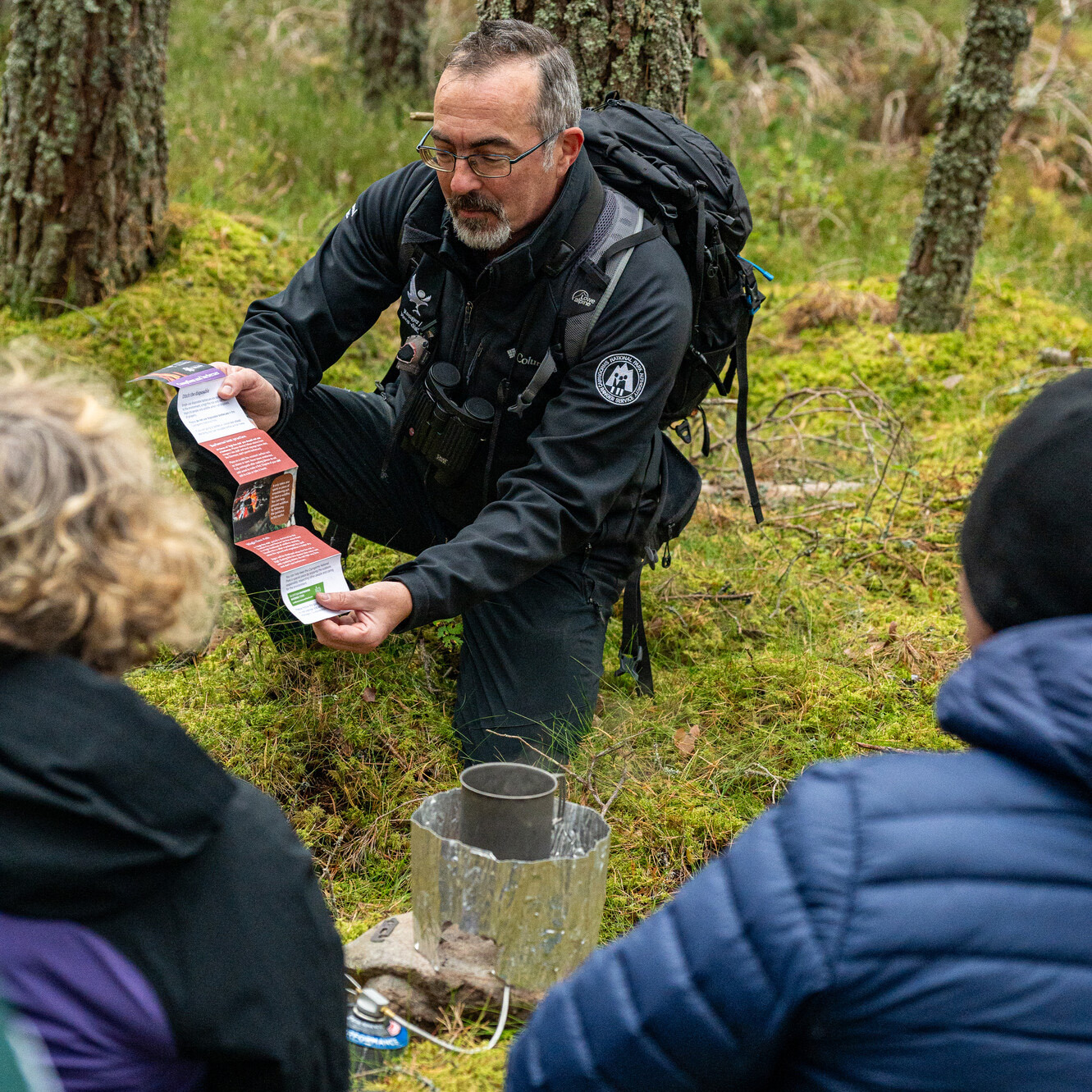
Actions to reduce the impact of human disturbance are also included in the plan with Scottish studies showing that disturbance causes capercaillie to avoid up to 40% of otherwise suitable habitat. Over the last five years, the Cairngorms Capercaillie Project – led by the Cairngorms National Park Authority – has reduced levels of disturbance over hundreds of hectares of core capercaillie habitat by developing participatory and community-led solutions, including with the mountain biking community, bird watchers and dog walkers.
The Badenoch and Strathspey Trail Association have been working with the Cairngorms Capercaillie Project as part of the project’s work with the mountain biking community. Emma Holgate, Chair of the Badenoch and Strathspey Trail Association, said: “Thanks to the Cairngorms Capercaillie Project, we’ve achieved far more for the local trail network while protecting the environment we love. By working together, we’ve made smarter decisions about trails in capercaillie areas, cutting mountain biking disturbance over 450 hectares without losing any trails. This success is all down to the strong partnerships we’ve built through the project and the wider mountain biking community, and we’re excited to keep that momentum and collective effort going through the Capercaillie Emergency Plan as we all have a part to play.”
In the early 1990s, conservation science projected that capercaillie would be extinct in Scotland by around 2010. The fact that capercaillie are still in our forests speaks volumes about the power of stakeholders coming together and pulling in the same direction. While the precarious state of our capercaillie population demands continued support, such ongoing efforts are not uncommon when dealing with highly vulnerable species. The Capercaillie Emergency Plan provides clear direction for continuing a collective effort to ensure capercaillie remain in our forests for generations.
Latest from the National Park
Come and meet us!
The Park Authority team will be out and about at events this autumn and winter
Draft Partnership Plan consultation goes live
People living and working in or visiting the National Park asked for feedback on the next Partnership Plan.
Time well spent as we stop to blether about farm realities
The latest column from our Agricultural Adviser - first published in the Press and Journal