Campfires and barbecues reduced by 70% through byelaw

Campfires and barbecues reduced by 70% through byelaw
Rangers came across less than a third as many fires as last year during the first season of the National Park’s seasonal fire byelaw but this summer’s wildfire at Glenmore and Strath Nethy – the cause of which is still unknown – is a reminder of how much is at stake.
The seasonal fire byelaw for the Cairngorms National Park came into force for the first time in April 2026. From 1 April to 30 September each year, campfires and barbecues are not permitted in the National Park.
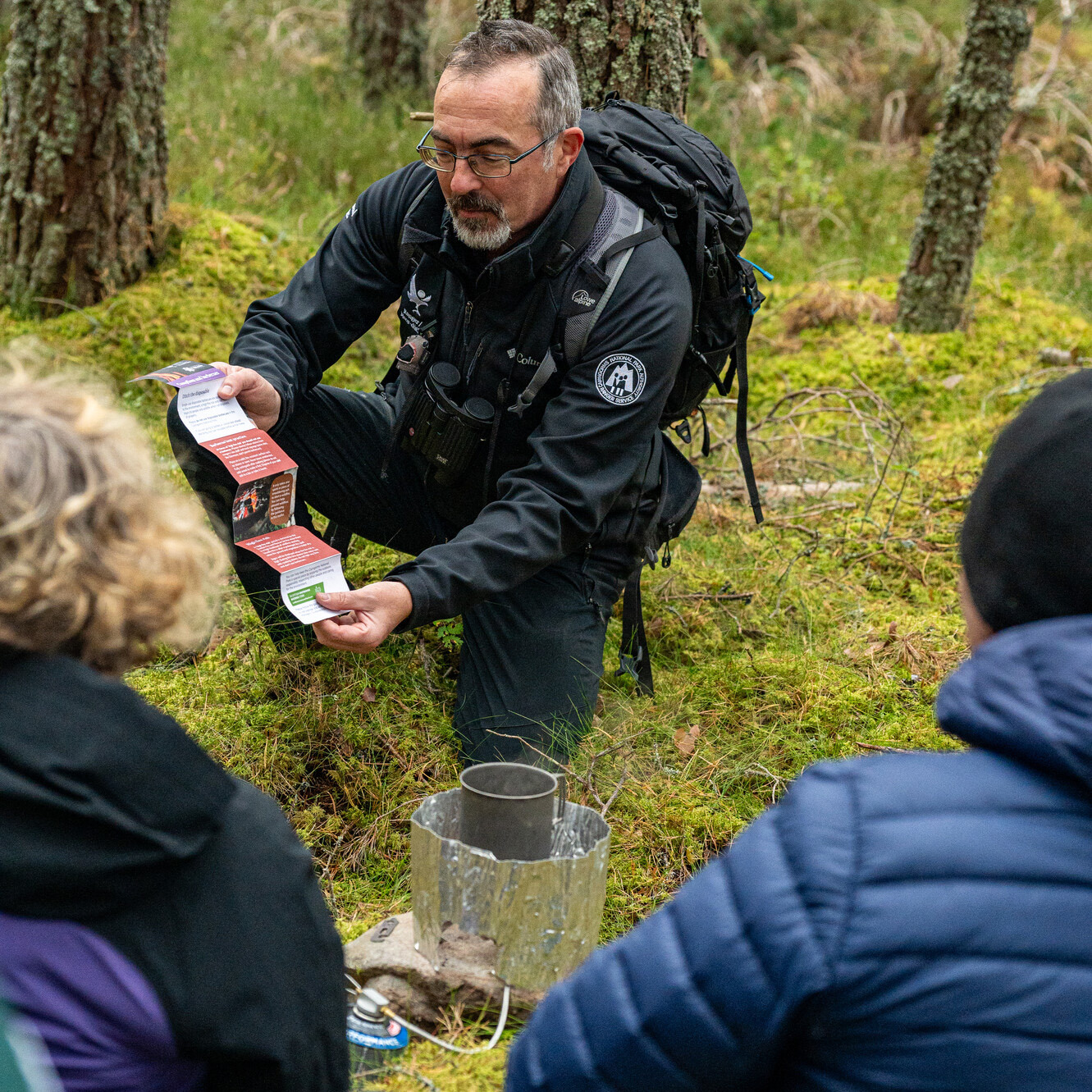
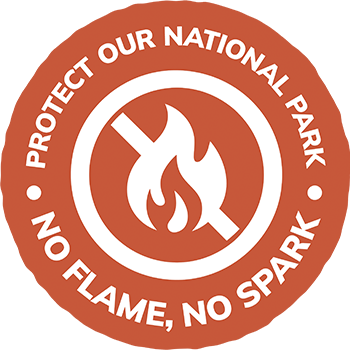
To support the enforcement of the byelaw, a record number of countryside rangers were on duty this year, with more than 100 – including permanent, seasonal, volunteer, trainee and partner services staff – spreading the message: Protect our National Park. No flame, no spark. Park Authority rangers carried out 1,400 patrols across the National Park over spring and summer, an increase of 277 patrols on last year. These were supported by weekend joint patrols with Police Scotland at areas popular with visitors in Deeside and Glenmore.
Rangers recorded 100 active fires during the 2026 season, compared with 312 in 2025 and 320 in 2024. Education and prevention remained the priority throughout, with enforcement a last resort. Two parties were reported to the Procurator Fiscal after failing to comply.
The byelaw was supported by a major communications campaign that reached more than 2.1 million people across lots of platforms, including Snapchat to reach younger audiences and Google ads designed to reach people planning their journey. Evidence from pre and post campaign YouGov surveys shows that awareness of the byelaw increased by 35% amongst residents and 18% amongst visitors, with 90 - 95% of those surveyed indicating that they were very likely to comply with the new rules.
Sandy Bremner, Convener of the Cairngorms National Park Authority, said: "I'm really pleased to see the reduction in live campfires and barbecues in this first summer of the byelaw. I want to thank the majority of people who enjoyed their time in the National Park responsibly. Whether they were camping or out for the day, most used gas stoves or brought a picnic instead of lighting a fire or barbecue and that has made a real difference.
"The wildfire at Glenmore and Strath Nethy this summer is a hard-hitting reminder of what we could lose and the risk to our landscapes, wildlife and communities. It only takes one discarded piece of glass, one cigarette, one campfire or one barbecue to start a wildfire.
“We are absolutely determined to build on the success of the byelaw and work with our partners to drive down the fire risk ever further.”
Grant Moir, Chief Executive Officer of the Cairngorms National Park Authority, said: “People care deeply for the National Park, and the first season of the byelaw shows that the message is getting through. Thank you to everyone who heeded the restrictions and to our rangers and partners for the thousands of conversations they have had with people enjoying the Cairngorms this year. Even with fewer fires, we can never bring the risk to zero, and we will learn from this first season as we prepare for next year.
“Local businesses have played a huge part in this joint effort – displaying signs, posters and window stickers, sharing information with their customers and serving drinks on ‘no flame, no spark’ beer mats. We are really grateful for that support.
“We cannot look back on this summer without recognising the devastating wildfire that affected Glenmore and Strath Nethy and the landowners, gamekeepers, farmers, contractors and community members who gave their time to help tackle it, alongside the emergency services and everyone else involved in the response.”
The byelaw is just one of a range of measures helping to tackle the threat of wildfires, alongside the Park Authority’s wider work on the Integrated Wildfire Management Plan. This includes a major communications campaign, roadside signs, leaflets and social media campaigns, and work with councils, estates, community groups and more than 100 local businesses to take a joined-up approach.
Alex Macleod, Forestry and Land Scotland’s North Region Manager, said: “Encouragingly we have seen a significant decrease in campfires this year. But fires are still a worrying issue with a minority of people not adhering to the new byelaw.
“Getting the fire safety message across, not only in Glenmore but elsewhere, is an ongoing effort and one that we will not let up on.
“The damage caused by the recent fire here will hopefully convince many more people to be a lot more thoughtful and more careful when it comes to managing fire risk.”
The changing climate means longer, drier spring and summer months and an increased risk of wildfires. The Park Authority will review the first season and use the findings to inform preparations for the byelaw’s return on 1 April 2027, spreading the message further. This includes installing permanent road signage, identifying more opportunities for targeting audiences before they arrive in the National Park, and finding effective ways to work with young people.
Members of the public are urged to help by spreading the word that people should not light fires or barbecues outside their own gardens between 1 April and 30 September, follow advice from rangers and local signage and report any fires immediately by calling 999.
Latest from the National Park
Come and meet us!
The Park Authority team will be out and about at events this autumn and winter
Draft Partnership Plan consultation goes live
People living and working in or visiting the National Park asked for feedback on the next Partnership Plan.
Time well spent as we stop to blether about farm realities
The latest column from our Agricultural Adviser - first published in the Press and Journal