Moorlands statement
Moorlands statement
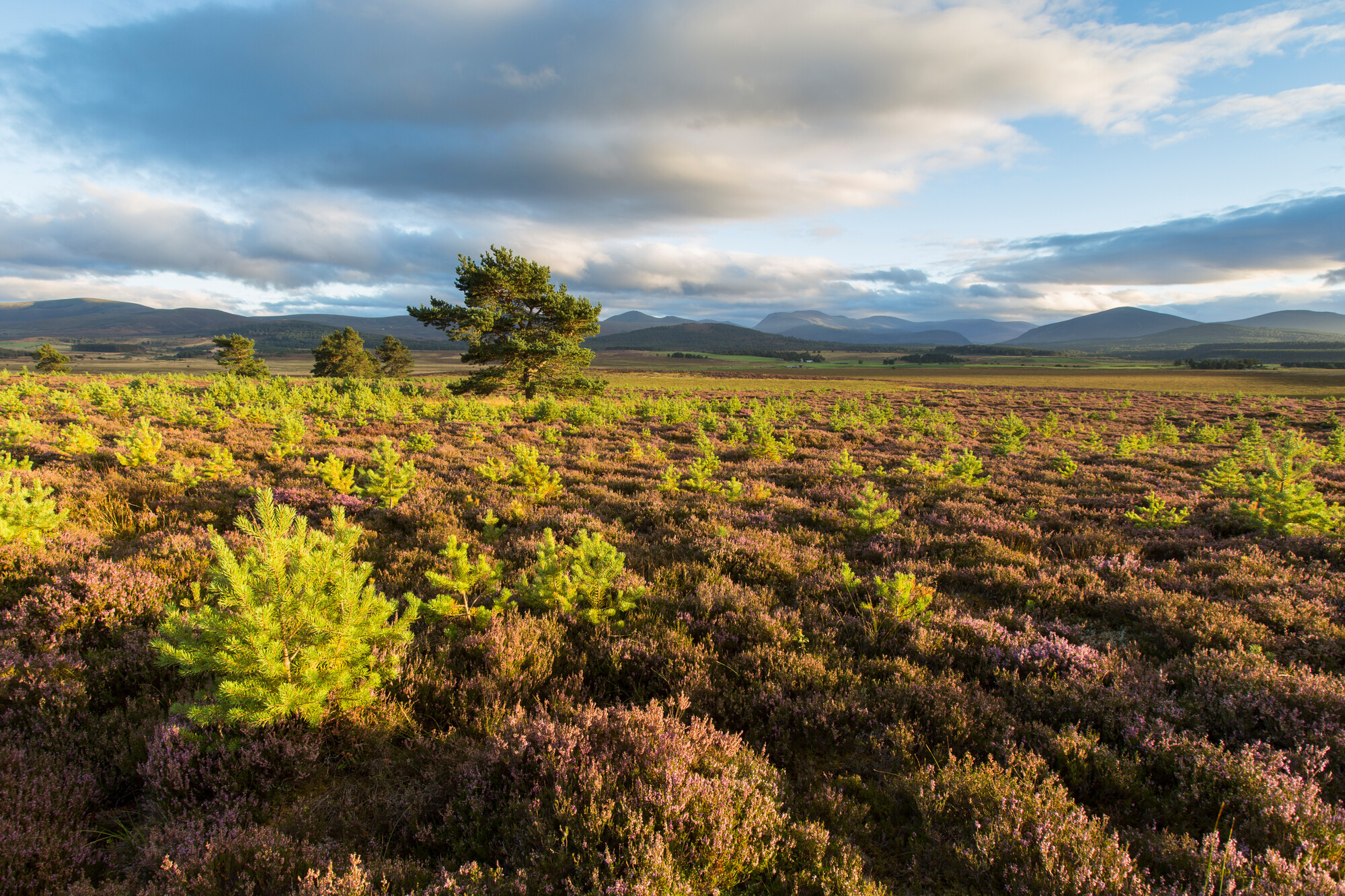
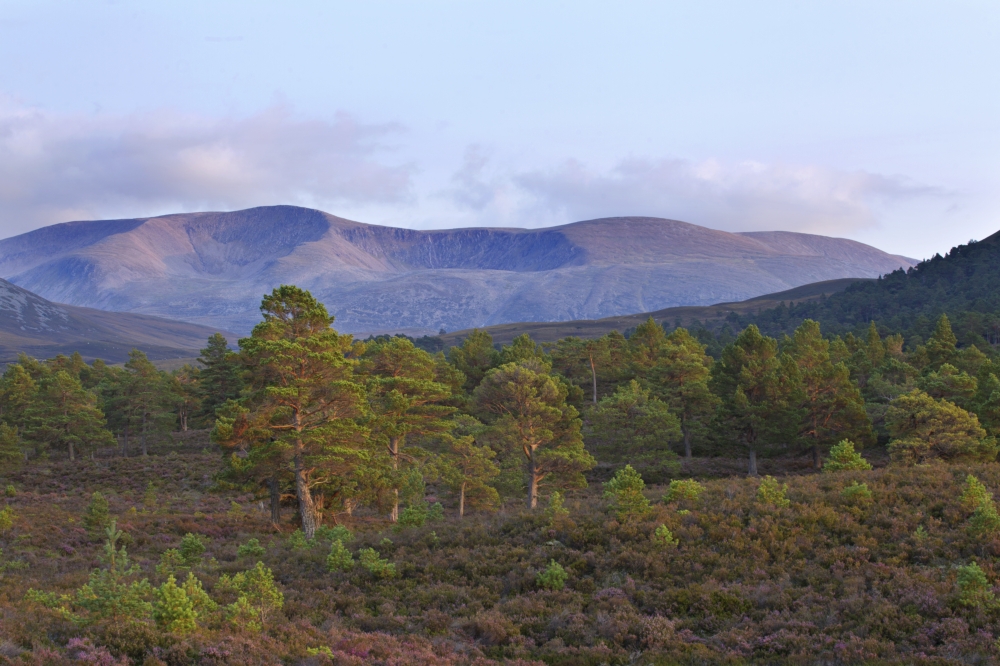
The Cairngorms National Park Authority (CNPA) are aware of a recent report from Rewilding Britain, which claims – incorrectly – that 44% of the Cairngorms National Park comprises driven grouse moors. The figure quoted is for heather moorland as a whole, not the area used for driven grouse shooting. This 44% of the Cairngorms is used for a variety of land uses including upland farming, deer stalking, driven grouse, walked up grouse, conservation management, as well as regenerating woodland and montane scrub.
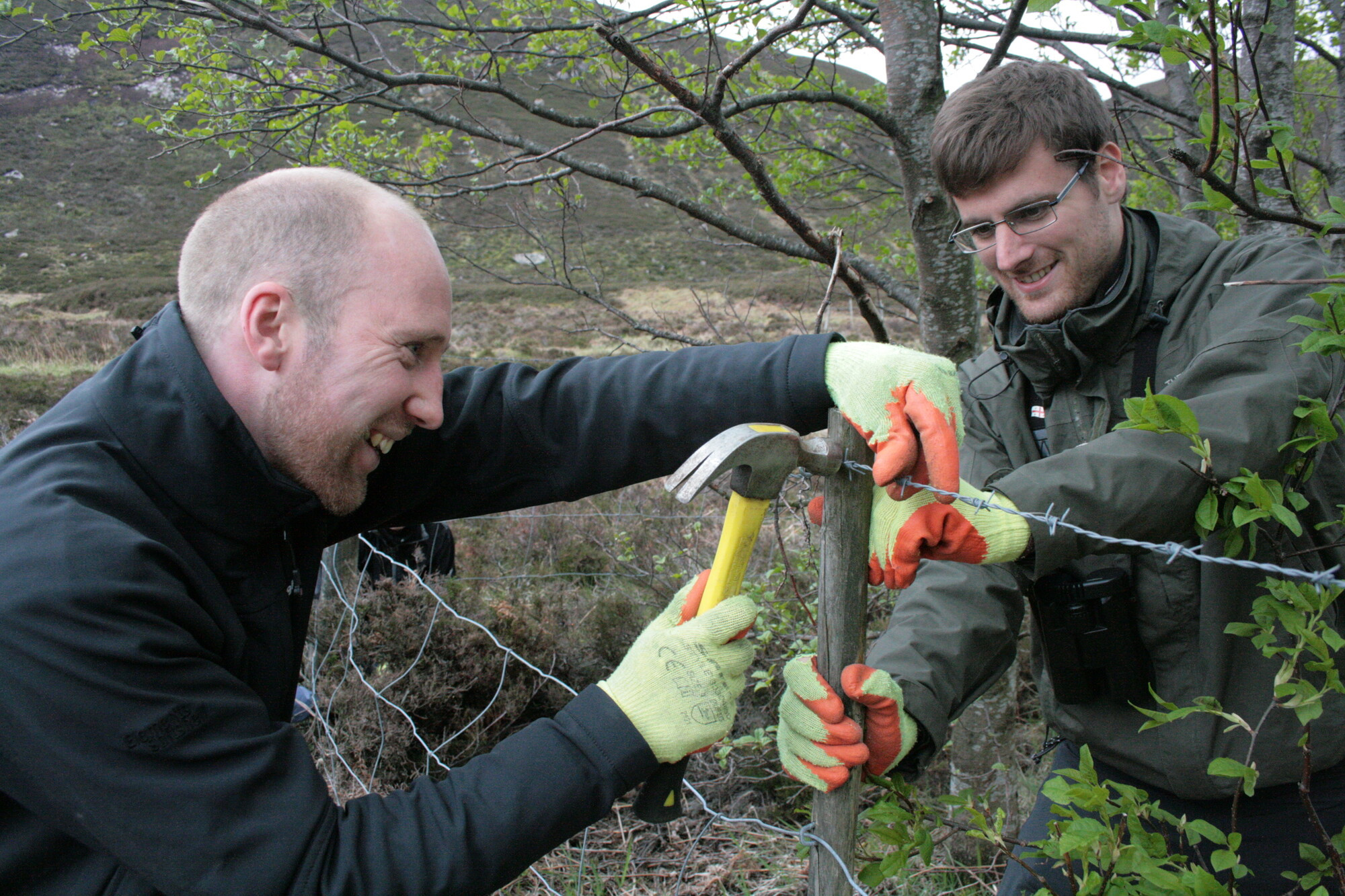
Moorland is – and will continue to be – an important land use in the Cairngorms National Park and, even with our ambitious woodland expansion targets, large areas of the Park will continue to be open ground. However, it is worth placing this in context with all the work taking place across the Park on ecological restoration. Landscape-scale activity is being undertaken on a variety of estates including Cairngorms Connect – the UK’s largest habitat restoration project – Mar Lodge and other privately-owned estates.
In the past four years, woodlands have been expanding in the Cairngorms by around 1,000 ha per annum, the equivalent of over five football pitches per week. Significant progress is being made on peatland restoration, with an annual target of 1,000 ha, and the Cairngorms Nature Action Plan is driving work on species and habitats. All of this is done in partnership with NGOs, landowners, catchment partnerships, public bodies, communities and others.
We accept, though, that there is still much to do to tackle the climate emergency and nature crisis, and our new National Park Partnership Plan will be setting out proposals for tackling these in the autumn when it will be out for consultation.
Last month we announced that CNPA had been successful in our bid to the National Lottery Heritage Fund’s Heritage Horizon Awards, which will see us collaborate with local communities, farmers, land managers and over 45 partners to tackle the climate and nature crises. In addition to woodland expansion and peatland restoration, the programme will explore nature-based solutions to flooding and drought; collaborate with deer management groups to reduce deer densities; and work with the farming community to explore ways of ways of reducing carbon outputs and increasing biodiversity on pilot farm clusters.
There is much still to do and difficult decisions to be made, but we hope that the consultation on the next National Park Partnership Plan will represent an informed debate about how the Cairngorms National Park can best tackle the key challenges ahead, in particular the nature crisis and climate emergency.
Latest from the National Park
Come and meet us!
The Park Authority team will be out and about at events this autumn and winter
Draft Partnership Plan consultation goes live
People living and working in or visiting the National Park asked for feedback on the next Partnership Plan.
Time well spent as we stop to blether about farm realities
The latest column from our Agricultural Adviser - first published in the Press and Journal