
Strathspey Wetlands and Wader Initiative
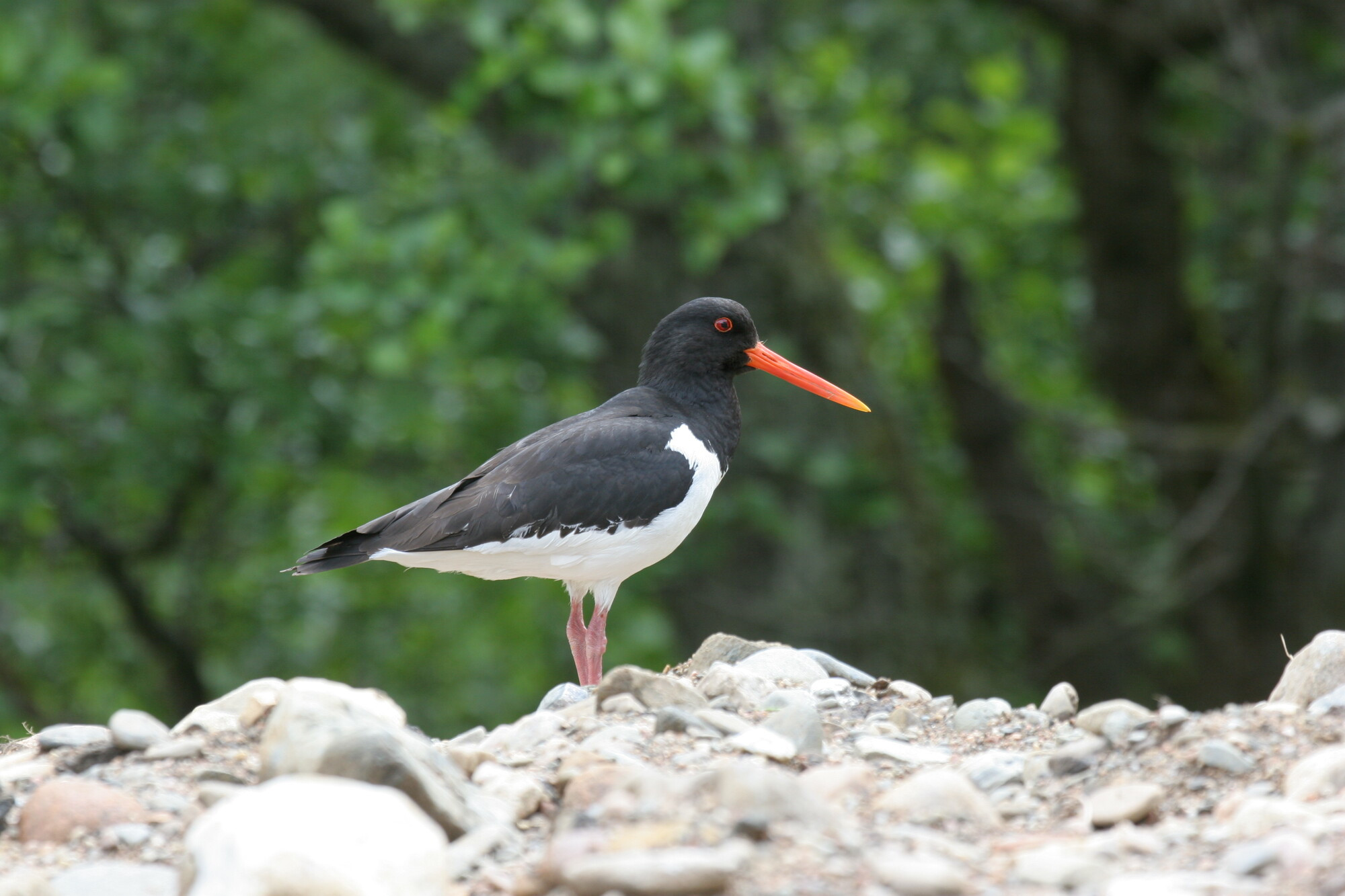
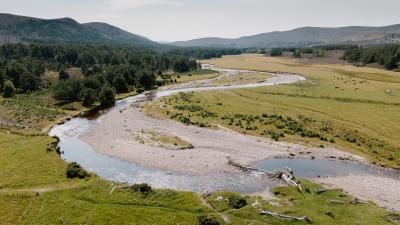
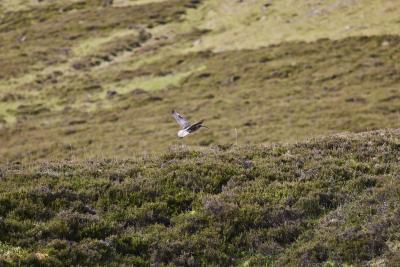
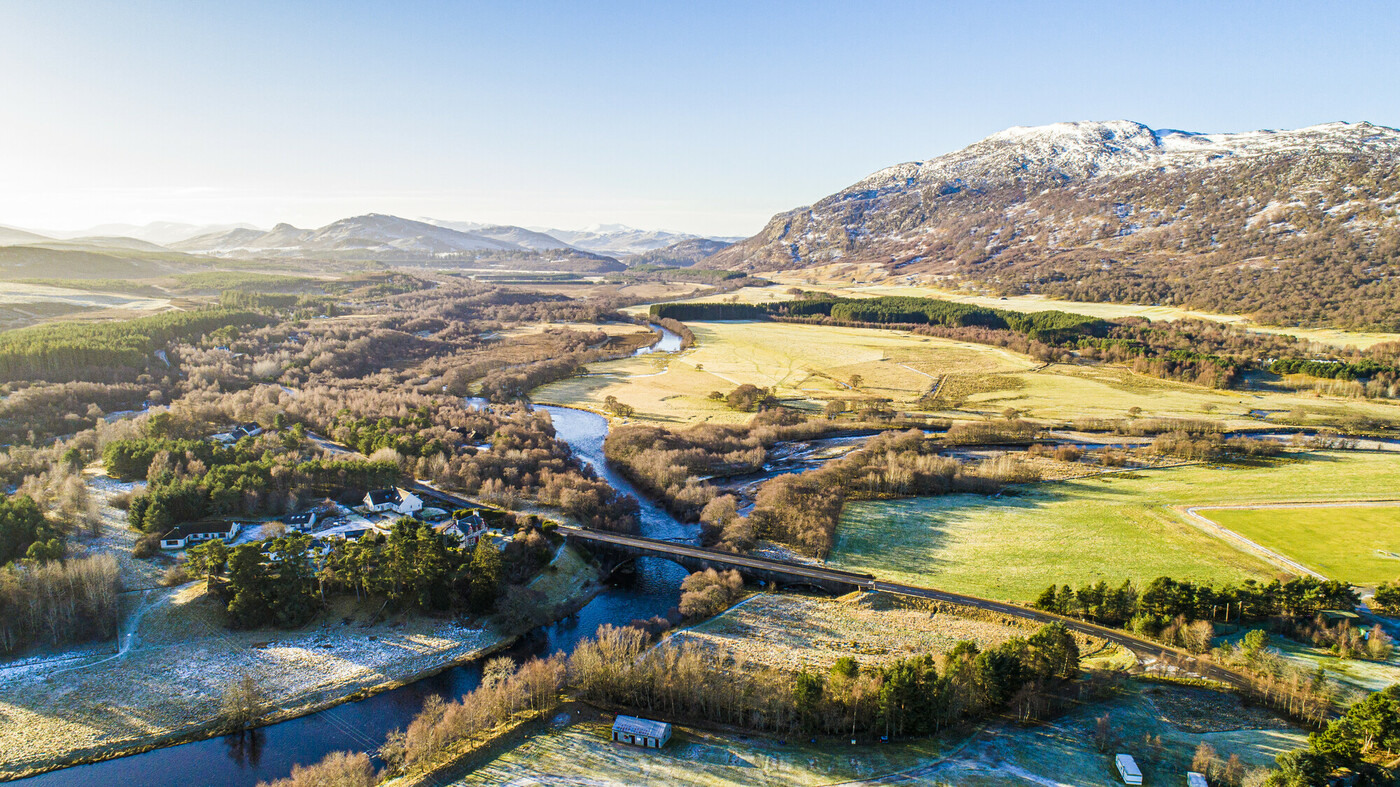
Badenoch and Strathspey has one of the UK’s largest mainland populations of breeding waders who come inland each year to nest and raise their chicks. Wader numbers are sadly declining, but farmers, crofters and land managers are leading the way in conservation through the Strathspey Wetlands and Wader Initiative.
The initiative was set up to support farmers and crofters to sustain and create habitats for curlew, lapwing, oystercatcher, redshank and snipe.
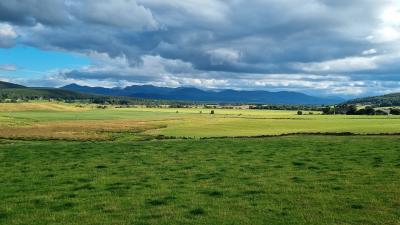
Wader species require damp grassland areas or wetlands for feeding and rearing chicks. Populations are stronger here than in other parts of Scotland because our farming systems help to support their habitats. Despite this, surveys have found that wader numbers are declining in the National Park.
Extreme weather events, climate change and habitat loss are contributing factors, but eggs and chicks are also extremely vulnerable to predation by a range of mammals and other birds. The Strathspey Wetlands and Wader Initiative supports the legal control of predators to help mitigate this risk.
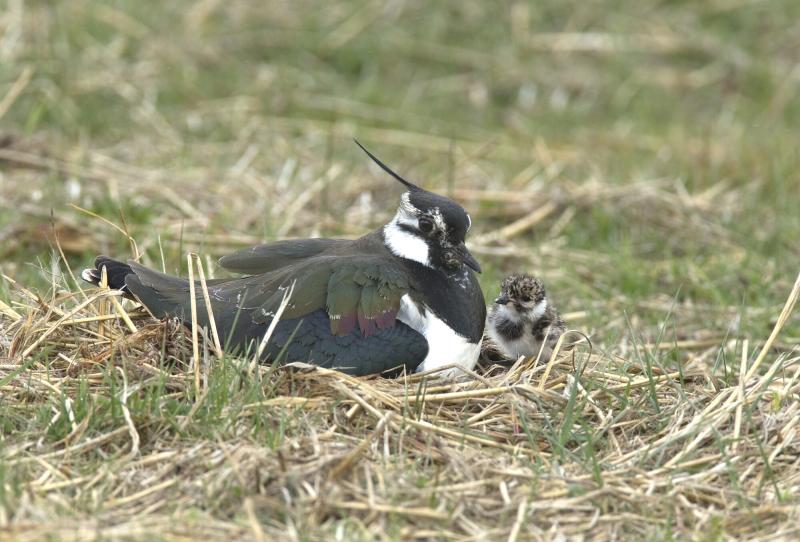
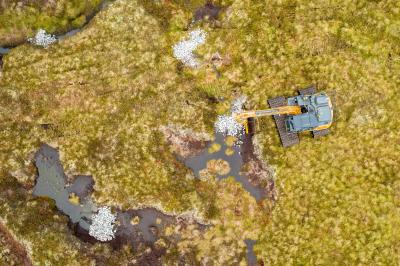
The wader population is tracked through a survey which has taken place every five years since 2000, involving up to 100 farms in the Strathspey, Glenlivet, Tomintoul and Deeside areas. Land is walked by surveyors who record wader numbers and look for ways to improve habitat on the farm. This includes creating small ponds or “scrapes” for feeding chicks and cutting back rushes to give birds a better view and help them react to potential predators.
The initiative loans specialist equipment for farmers to improve soil conditions, boosting crop yields and increasing the numbers of earthworms - a key food source for waders. The project also signposts farmers to other support and funding schemes to help accommodate breeding waders on farms, for example keeping livestock off fields when birds are on eggs.
-

Date
From 2009
-

Location
Strathspey
-

Partnership plan objectives
-

Partners