
Highlights from the East Cairngorms Moorland Partnership
For peat’s sake
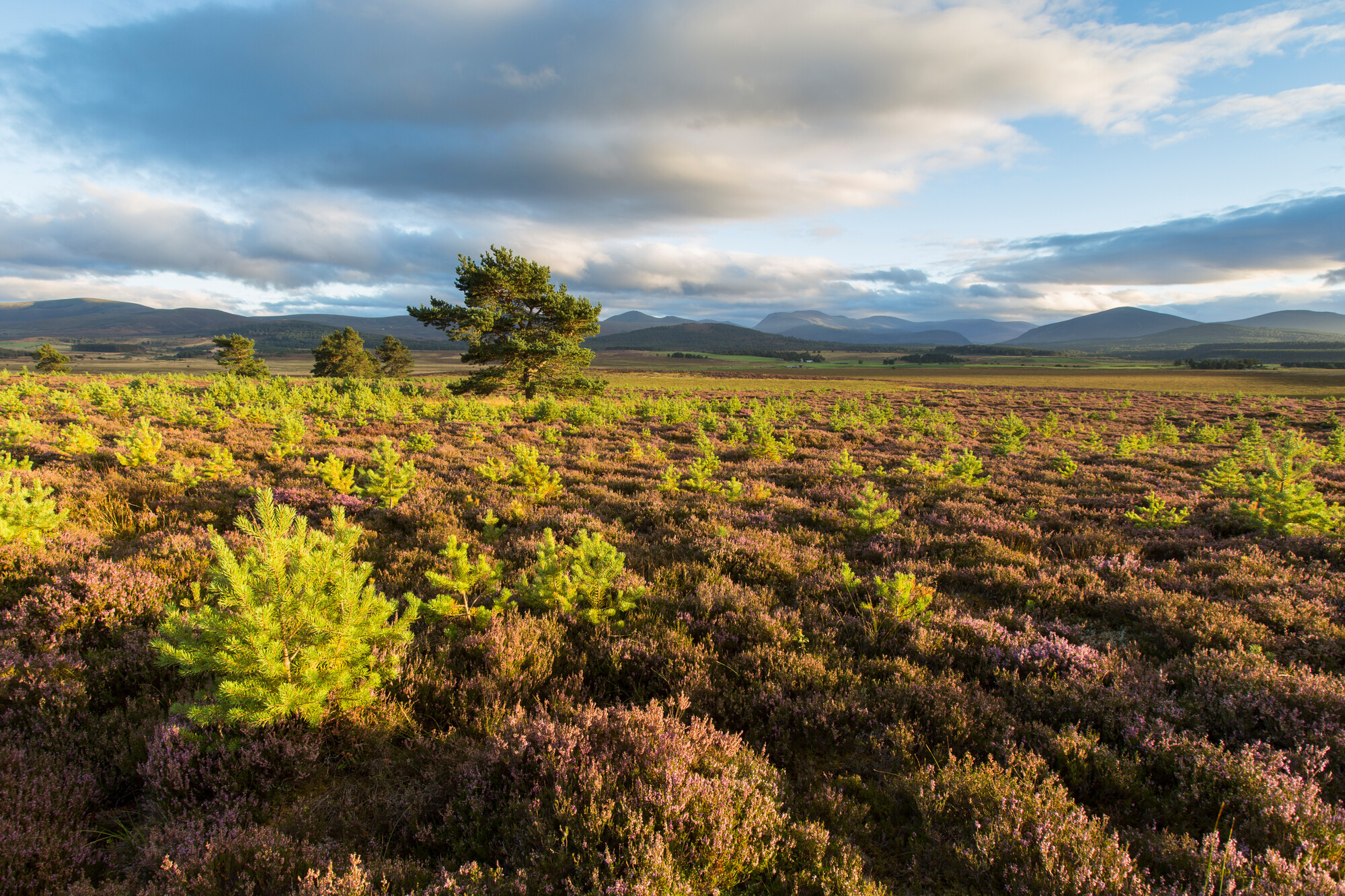
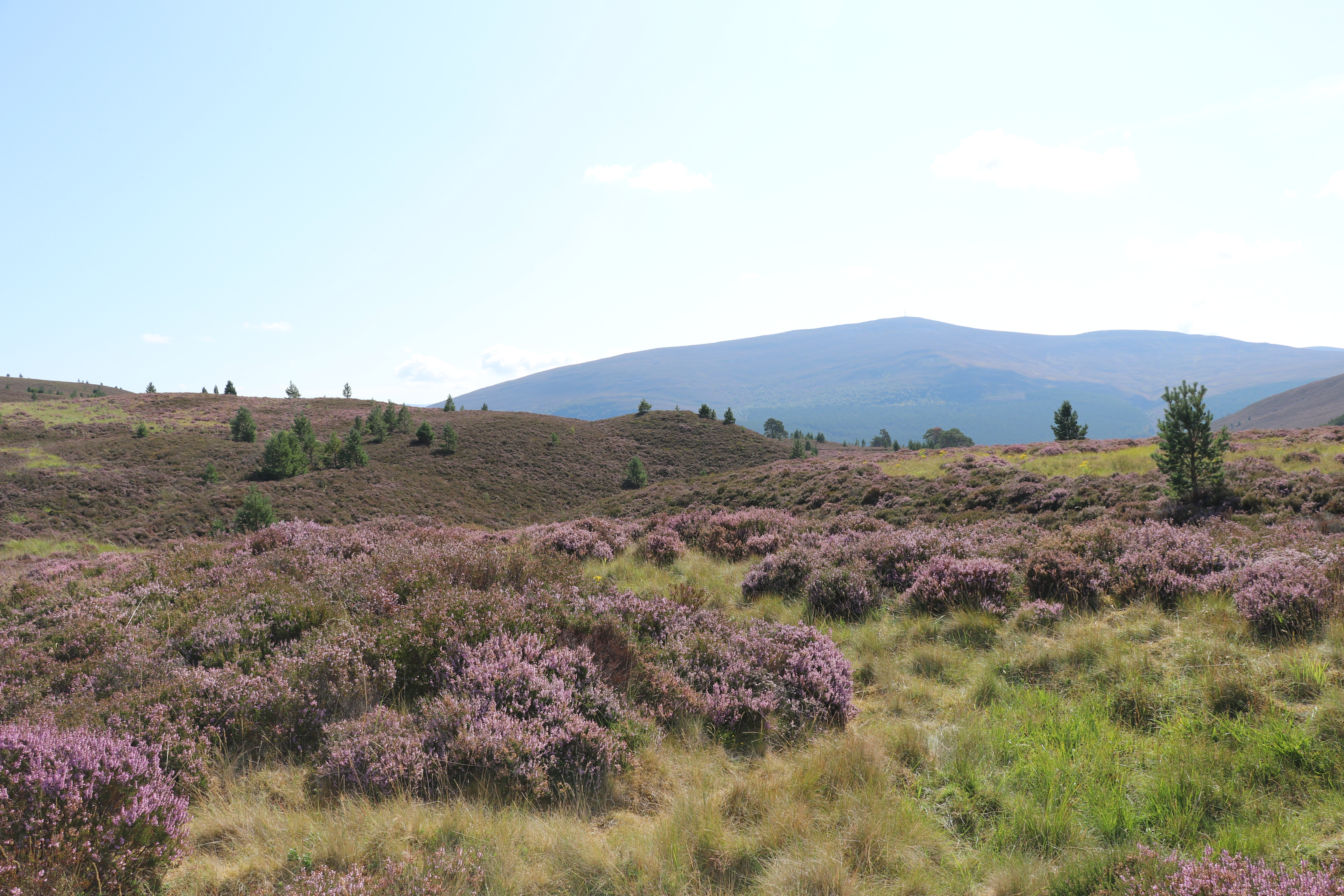
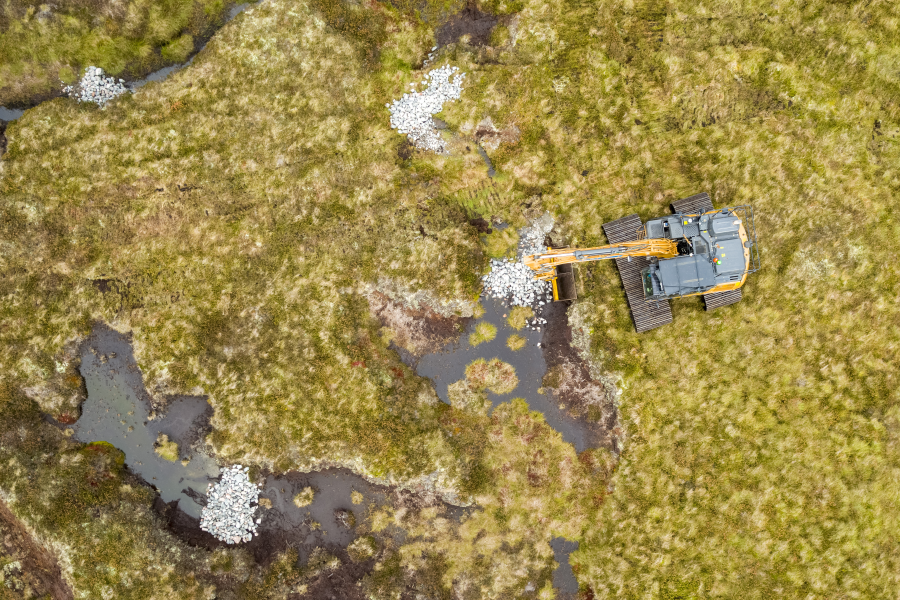
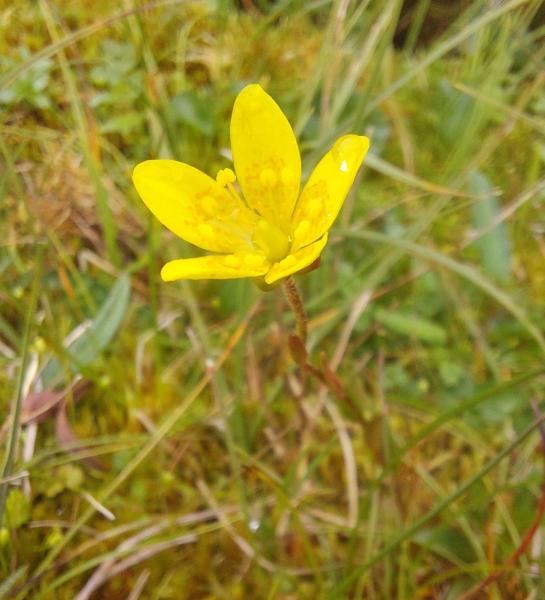
More than 1,200 hectares of peatland have been restored on East Cairngorms Moorland Partnership estates since 2022. Peat hags have been re-profiled and 66km of drains have been blocked to help keep the peatlands wet. Bog pools have been created and bunds - long peat dams - put in place to stop water draining too fast. All of this will help the peat bogs to retain water and function effectively, creating vital habitat for some of our rare and endangered species, like the marsh saxifrage which is so rare it is only known in Scotland in six remote locations. Following peatland restoration work, the flower was recently discovered at a new site on Mar Estate.
Wading in
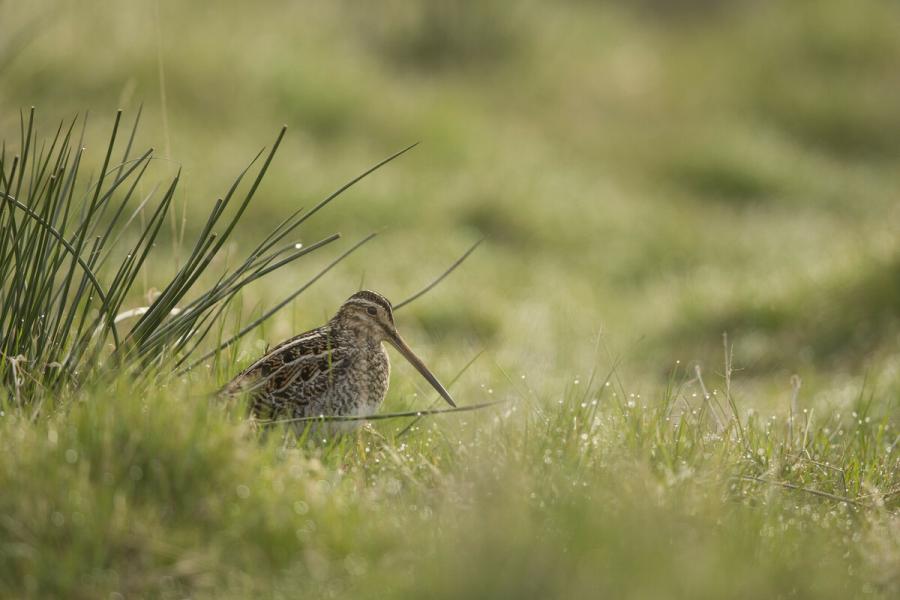
In the Cairngorms we are fortunate enough to have one of the largest populations of breeding waders in the UK and while populations of wading birds such as curlew and lapwing are in decline across Scotland as a whole, the Partnership’s Delnadamph Estate is a haven for them.
The decline in wader numbers is due to a combination of habitat loss, unfavourable habitat management and predation by a range of mammals and other birds, which is why conservation work on our farms and estates is so critical. Through blocking drainage ditches to create pools and shallow scrapes, as well as managing rushes and other vegetation, numbers have been steadily rising at Delnadamph over recent years. This year 35 lapwing pairs have been recorded which is an 85% increase since 2020, oystercatcher and curlew have also seen increases of 67% and 55% respectively along six kms of survey route. A pair of redshank were also recorded on the Don flats.
Sound knowledge
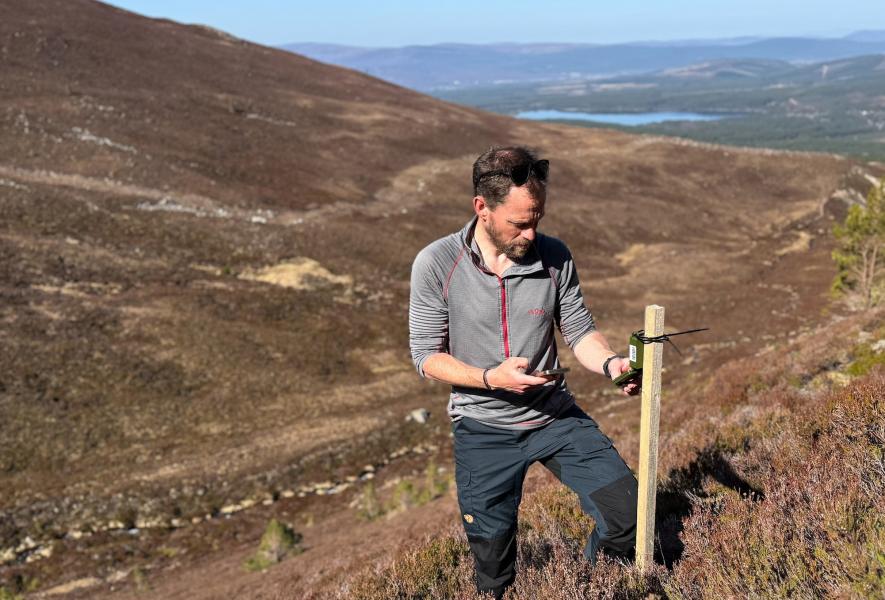
The East Cairngorms Moorland Partnership have been involved with an exciting new wildlife monitoring project on some of their estates. Wildlife recording research is usually done in-person with observers heading out to find and record the various species, but this has limitations in that animals may be disturbed – it also doesn’t let you know what is happening at other times of the day or night. This new project uses bioacoustics, by placing specialist equipment in the landscape to record one minute of sound every 15 minutes, 24 hours a day, to create a ‘soundscape’ of the habitat and species living there.
Catch a break
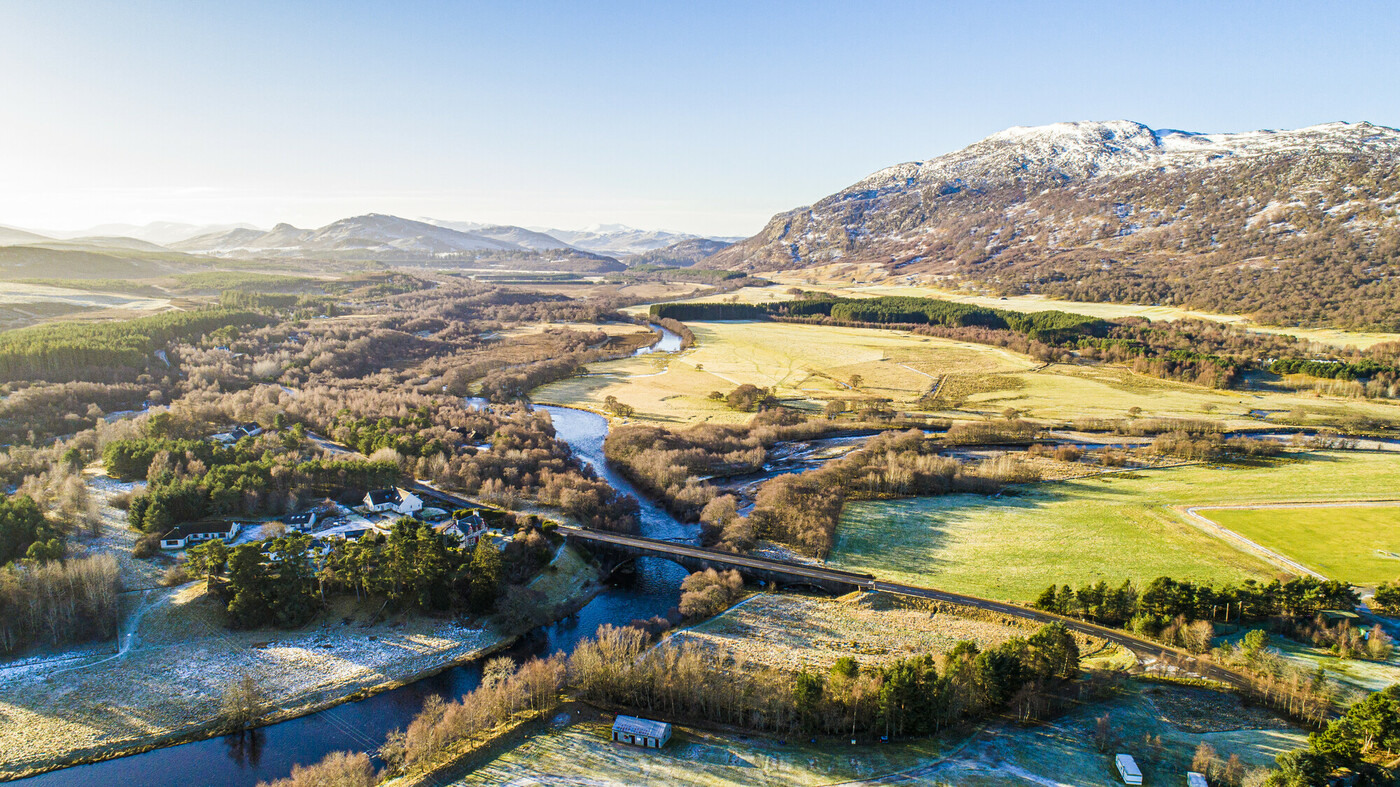
Our rivers and their catchments are a crucial part of the National Park, for both nature and people. How a catchment functions is not only key to the success of many species, it also affects the water flow downstream in the main river - which is vital when it comes to times of drought or potential flood events.
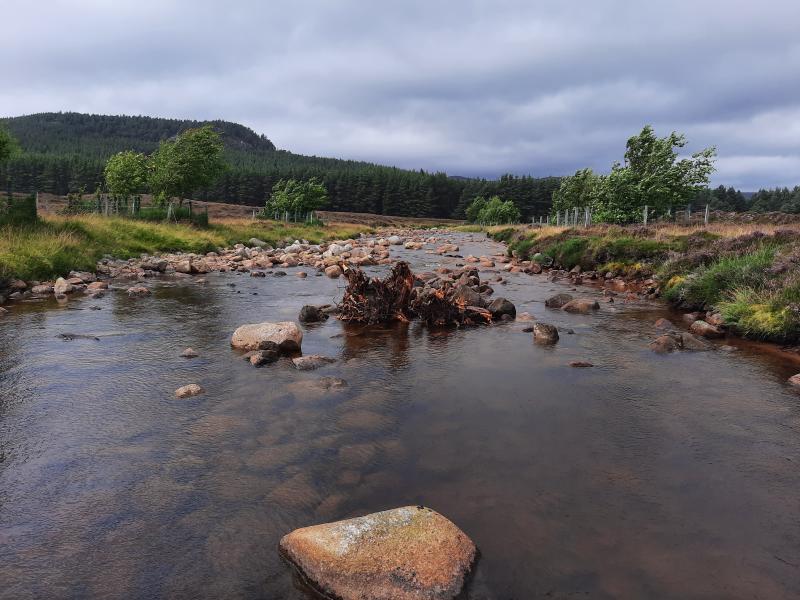
The River Dee catchment spans several of the estates in the Partnership and work has been taking place to improve this habitat. Over 400 large woody structures have been installed in tributaries, to create new spawning gravels and habitats for young fish to forage or find refuge in, while slowing the flow downstream. There is also new riparian and native woodland planting taking place on Partnership estates across the Dee and Spey catchments. As the trees grow they will begin to stabilise banks, provide shade, food for fish and retain rainwater.
Beautifully bordered
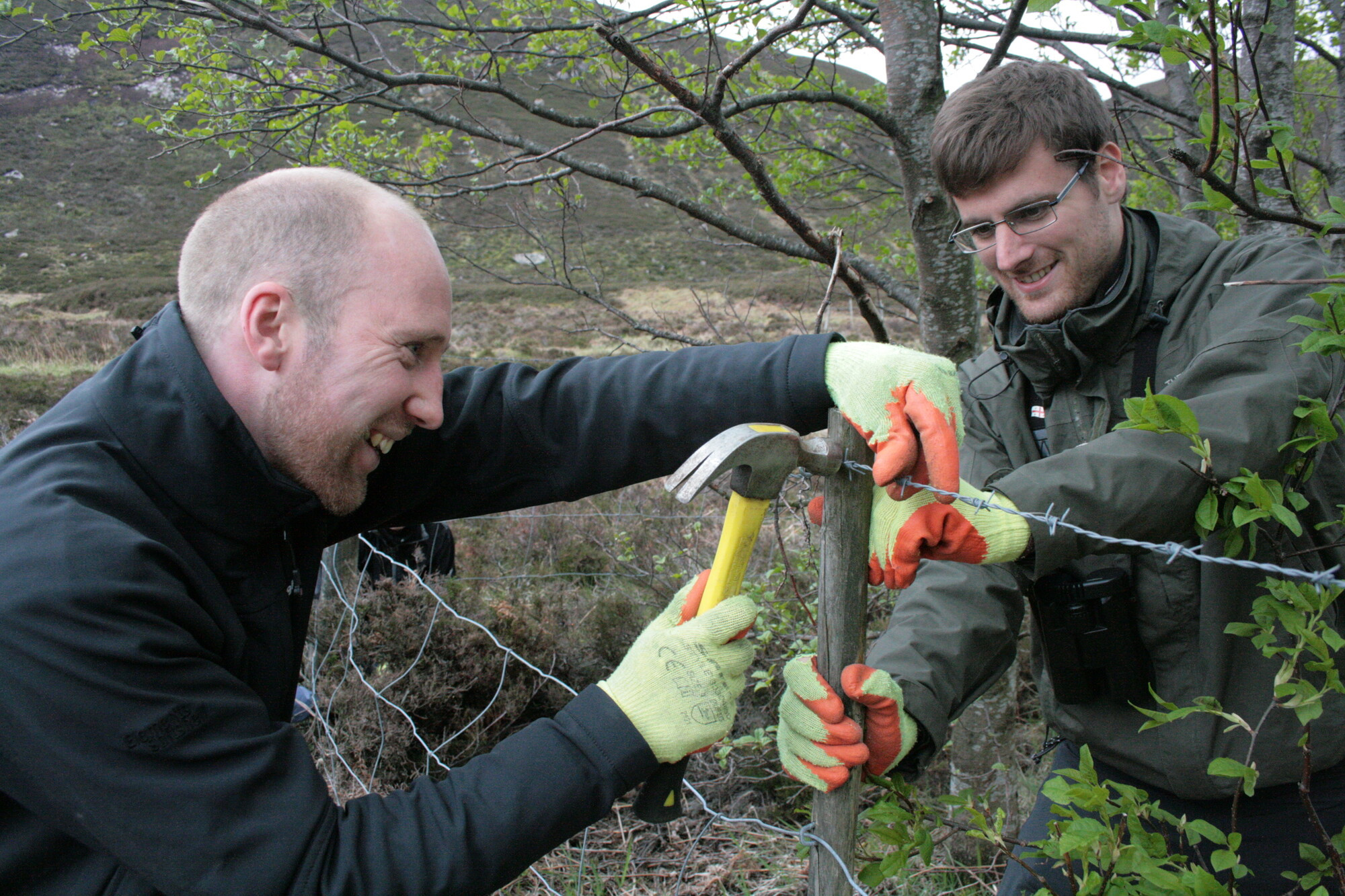
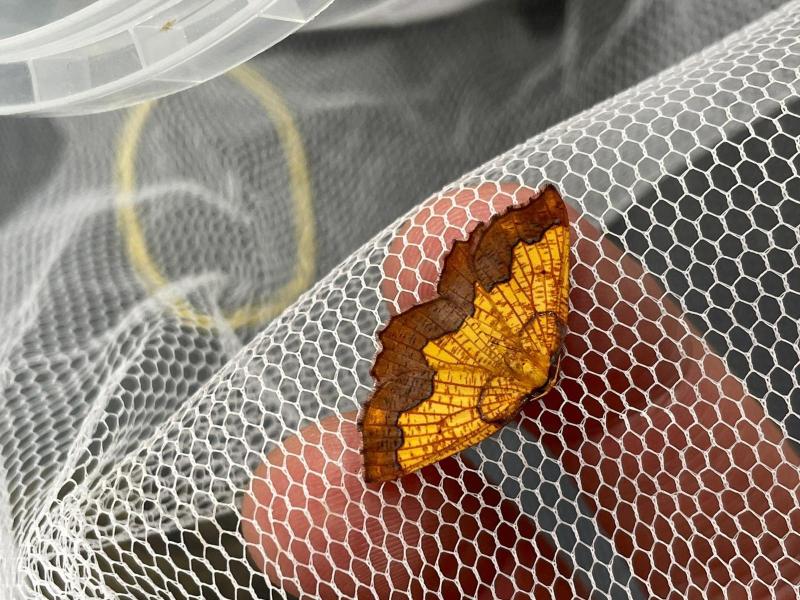
Aspen is a very important tree for wildlife. Once abundant across Scotland, aspen is now found in scattered fragments, but that is changing in Royal Deeside thanks to the efforts of estates in the East Cairngorms Moorland Partnership. It's an unusual tree because it does not readily produce seeds and instead clones itself by producing suckers – which can be subject to heavy grazing. On Mar, Mar Lodge and Balmoral Estates, work is taking place to protect both mature aspen and regenerating suckers. This year the rare dark bordered beauty moth has been recorded for the first time in a new aspen enclosure at Invergelder on Balmoral Estate. In Scotland the moth relies on aspen suckers as an important food source, so it’s really encouraging to see them in a new location in the National Park.


More news and views
-
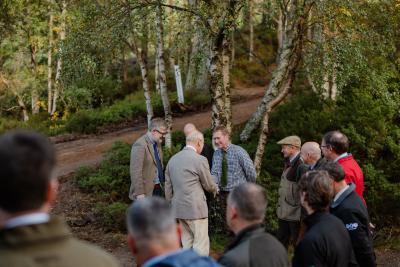
The King visits Lochan Uaine
-
Conference puts national spotlight on conservation in Cairngorms

-
LDP Evidence Report agreed by Scottish Government
-
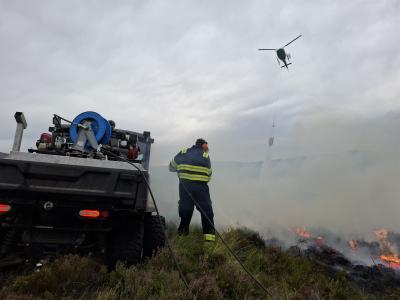
Park Authority welcomes Ministerial Statement on wildfires
-
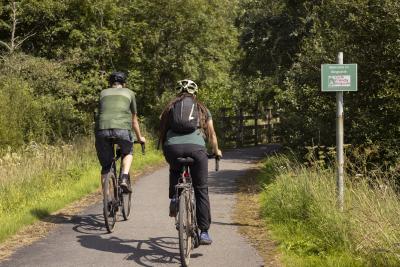
Communities shift up a gear with cycle hub funding awards
-
Pioneering £1 million fund opens for applications
-
Park Authority Planning Committee news
-
Wake-up call on wildfires.