Staying safe in the mountains
Planning and forecasts
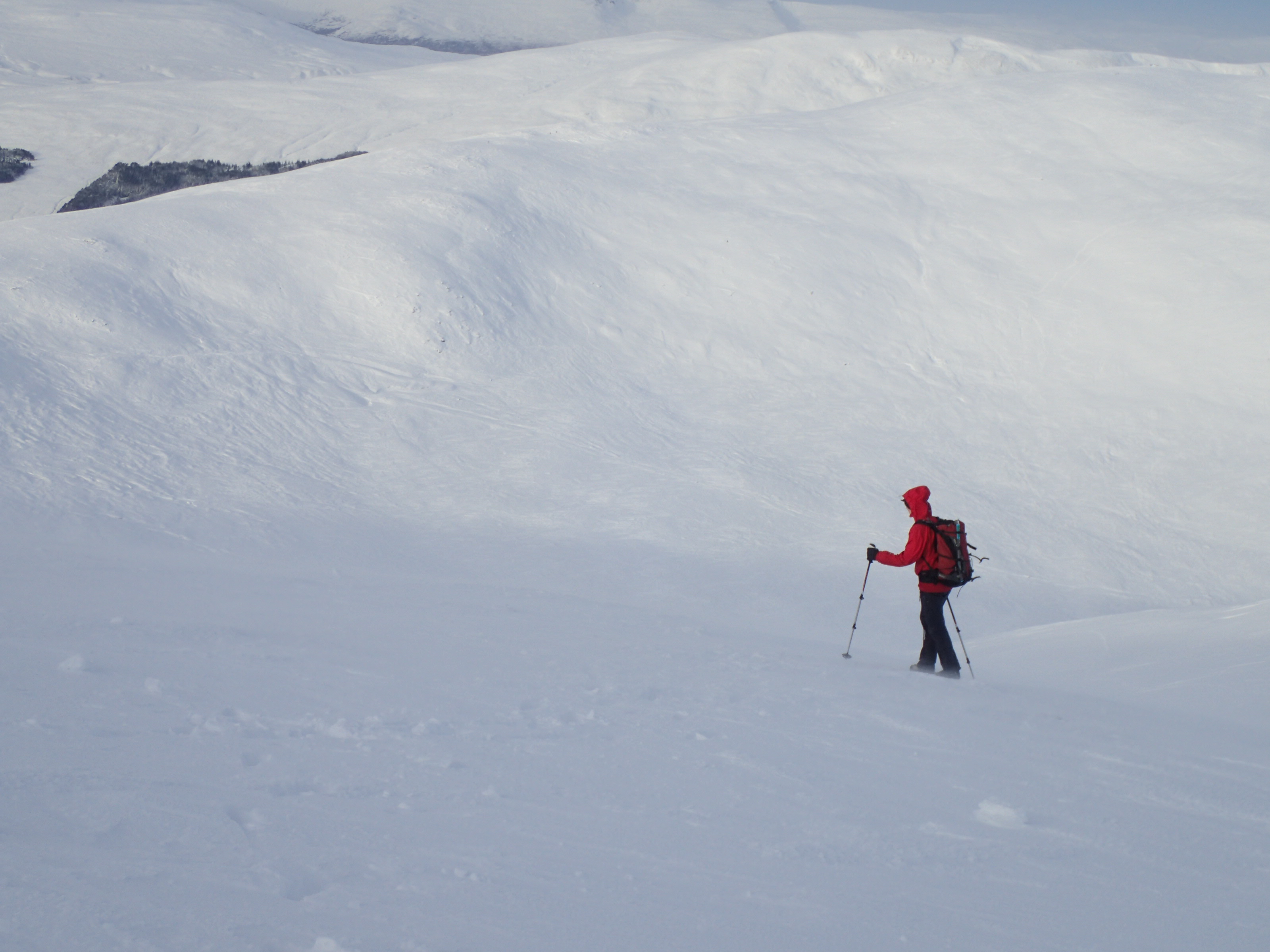
When heading to the hills in winter, planning takes more than a glance at the weather. Monitoring the conditions a few days in advance of when you’re hoping to head out helps you better understand what to expect, such as where snow has accumulated. Think about how the weather and conditions can affect your timings for the day, and the hazards they might present. Wind can whip up spindrift, obscure visibility, and slow you down, while icy terrain or fresh, heavy snow can make progress harder and more exhausting.
A flexible mindset is key: always have a plan b (and c!) and be prepared to turn back. Useful resources include Met Office forecasts for specific summits and mountain regions, the Mountain Weather Information Service, and if you’re heading high, the Scottish Avalanche Information Service.
Pack smart, pack for survival
The right gear for winter is essential. Solid, warm boots are a must. Micro-spikes are suitable for icy paths and can offer extra traction, but crampons and an ice axe are essential for steeper ground or terrain where a slip could have serious consequences. Goggles offer protection against snow and spin drift, and waterproof layers, synthetic insulation, and multiple pairs of gloves help you stay warm and dry.
A headtorch with spare batteries is vital during short daylight hours. Don’t forget a map (in a waterproof case), compass, emergency shelter, and first aid kit. Pack food that’s easy to eat on the move, and plenty of it!
Know your group and communicate
Whether you’re hiking with old friends or new companions, group dynamics matter. Ensure everyone is aligned on the day’s goals, route, and expectations. Involve all members in the planning, regardless of experience, and encourage open dialogue. People should feel comfortable voicing concerns or suggesting changes.
Avoid the ‘expert halo’ trap: don’t assume the most experienced person is always right, winter conditions amplify risks, so mutual trust and clear communication are vital. A successful day on the hills isn’t just about reaching the summit; it’s about making decisions together and ensuring everyone feels safe and supported.
Make conscious decisions, not assumptions
Winter navigation and route choice require deliberate thinking. Don’t rely on familiarity with places you’ve been before – snow and ice can transform a path into a serious hazard. Avoid committing to a plan too early; wait for up-to-date weather and avalanche forecasts.
Be aware of mental shortcuts like “we’ve done this before” or “they know what they’re doing”. Pause, assess, and discuss. Recognise when conditions call for a change of plan, and don’t hesitate to turn back. In winter, good judgement is your most important tool.
Be avalanche aware
Avalanches do happen in Scotland, and their consequences can be severe. Don’t underestimate the risk even if you’ve never seen one. Learn how to read the Scottish Avalanche Information Service (SAIS) forecasts and understand how to apply them to your planning and decision-making. Avalanche awareness isn’t just for climbers and ski tourers; it’s for anyone venturing into snow-covered hills. Take time to educate yourself and consider a course if you’re unsure.
Top tips:
- Synthetic insulation will keep you warm even if it gets damp, which is highly likely in Scotland!
- Have the right footwear and equipment for the route you’re doing. Know the difference between terrain suitable for micro-spikes and that which needs crampons and an ice axe.
- Goggles are useful for keeping snow and spindrift out of your eyes. A large bag is easier than a small densely packed one because you can rummage around in it and access your kit more easily.
- Familiarise yourself with the SAIS forecast and understand how to apply it to your planning.
- Phones are a useful tool for navigation, but in winter their batteries drain quicker, and screens can be hard to use with thick gloves on. If you’re headed for the mountains, you should have a map (in a waterproof case) and a compass, and be confident in how to use them.
- Bring food that can be eaten while on the move, and that you know you’ll want to eat. This will reduce the likelihood of not eating enough.
Mountaineering Scotland works with a number of partners on their ThinkWINTER campaign, providing the information, advice and knowledge you need to enjoy winter in the Scottish hills safely and responsibly, whatever your activity. Find out more on their ThinkWINTER hub.

More news and views
-
Go ahead for Slugain Burn project
-
Restoring high altitude peatlands
-
The King visits Lochan Uaine
-
Conference puts national spotlight on conservation in Cairngorms
-
LDP Evidence Report agreed by Scottish Government
-
Park Authority welcomes Ministerial Statement on wildfires
-
Communities shift up a gear with cycle hub funding awards
-
Pioneering £1 million fund opens for applications