
View from a canoe: tracing stories of the Spey

Despite its formidable presence, it’s taken me years to realise that the River Spey has shaped my local identity while also inspiring me to explore other rivers around the world. Growing up in Kingussie, I was lucky to learn to navigate water in canoes and kayaks – sometimes at the expense of schoolwork, so admittedly I am not a scientist with depths of knowledge. Rather, I am an observer, forever fascinated by rivers and how we connect to them.
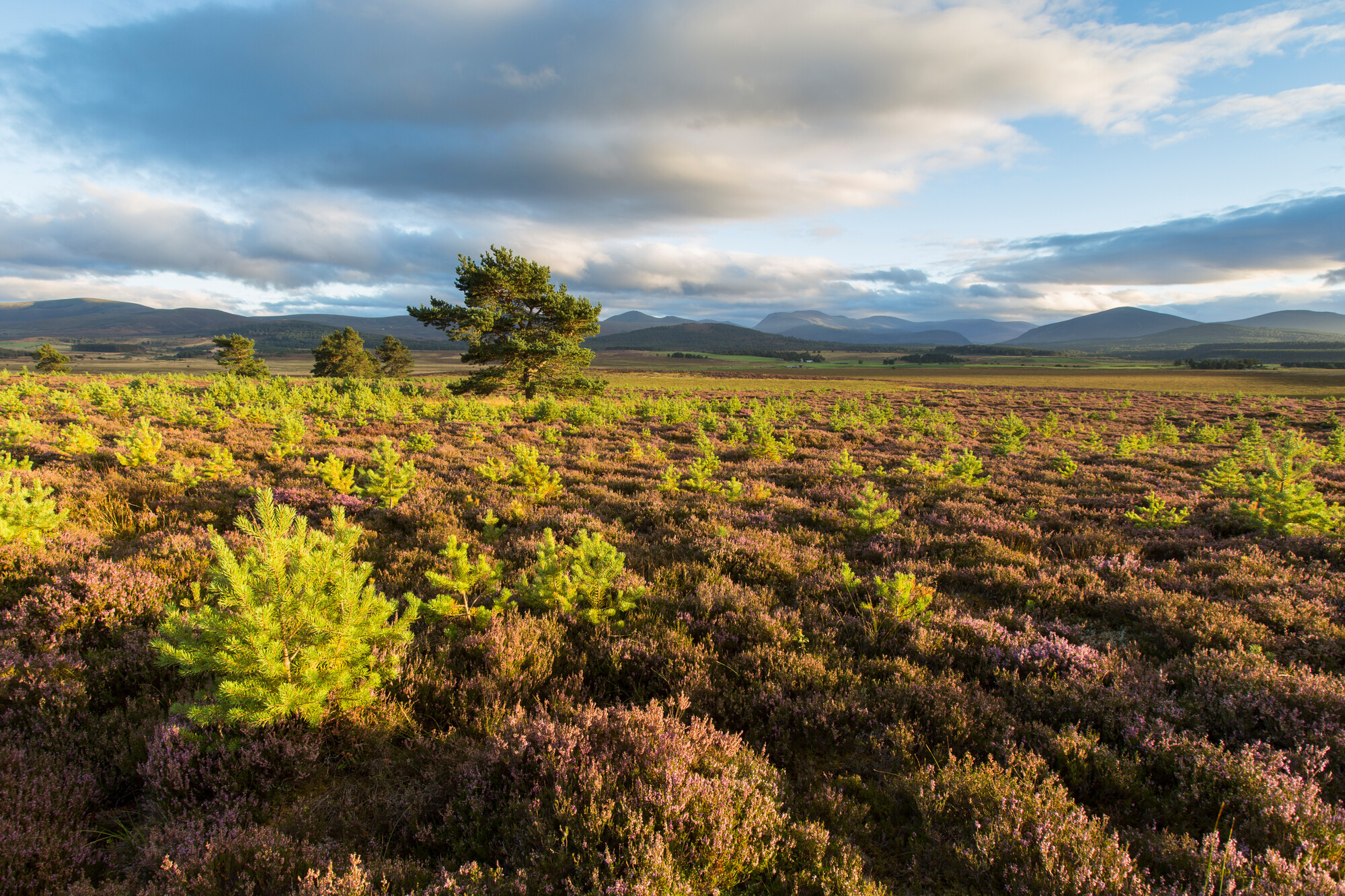
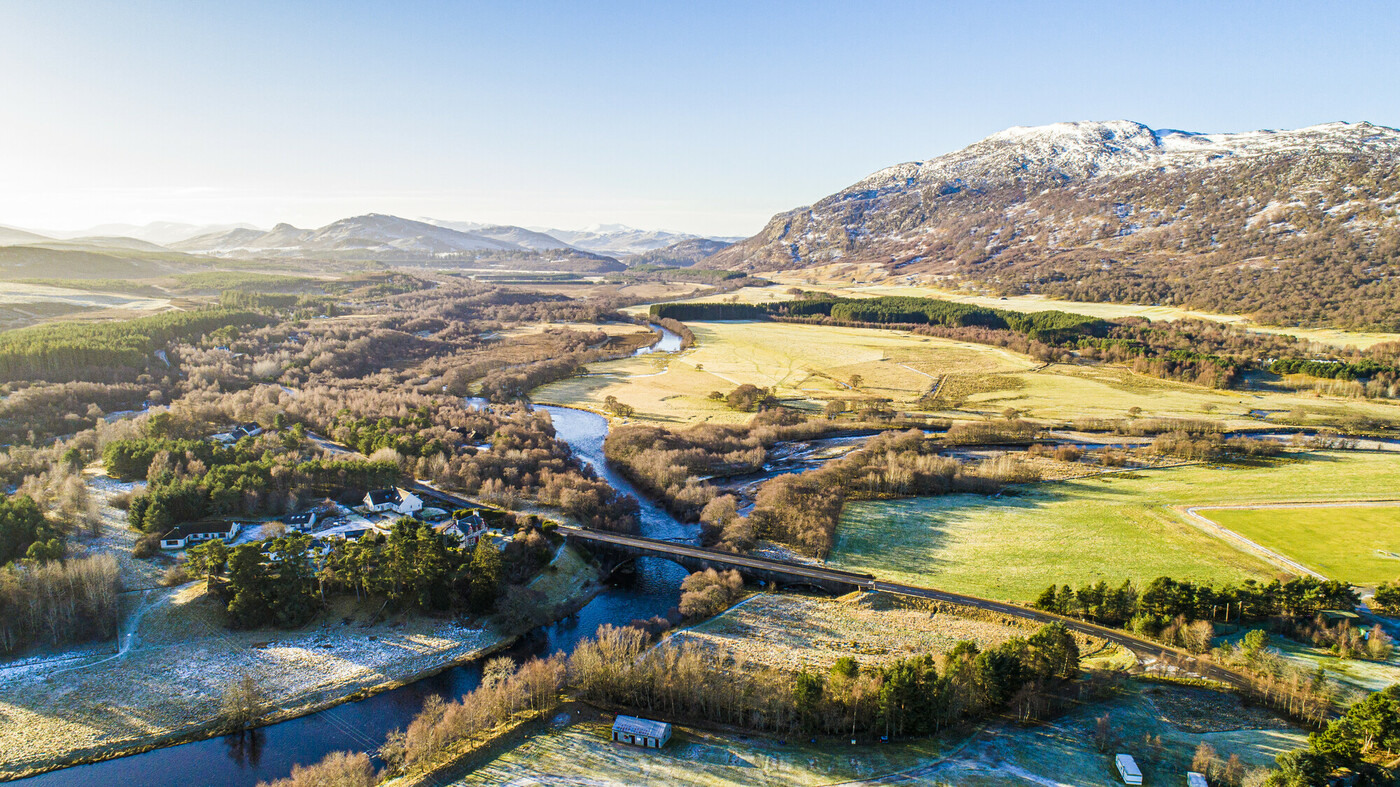
The Spey – with around a third of its course flowing through the Cairngorms National Park – is a particularly fascinating example. A 100-mile ribbon winding through dramatic landscapes, it’s been a sanctuary for wildlife and a source of industry for centuries. Contrary to many rivers, the upper section is slower moving than its faster lower section. But it’s very different to what it would be without human intervention, such as hydroelectric schemes dating back decades.
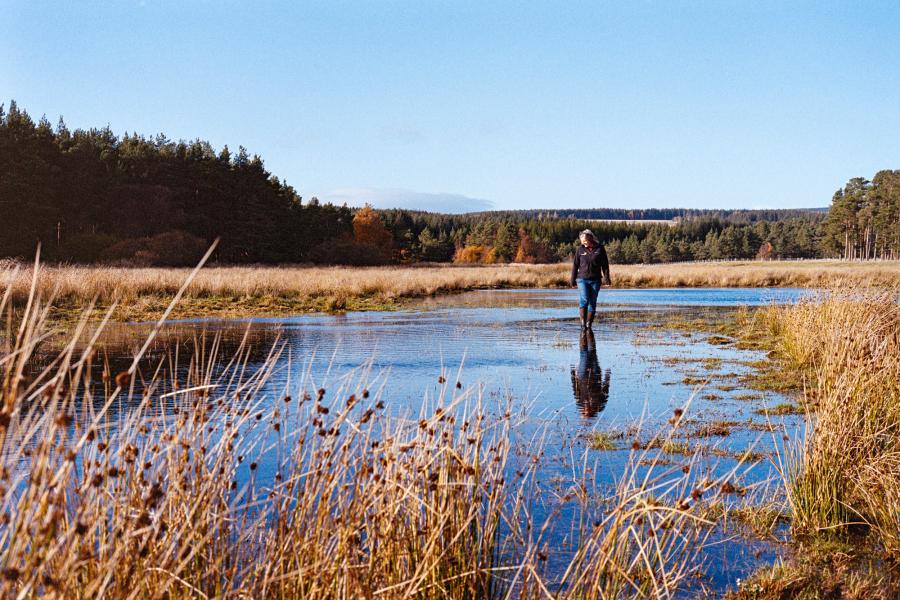
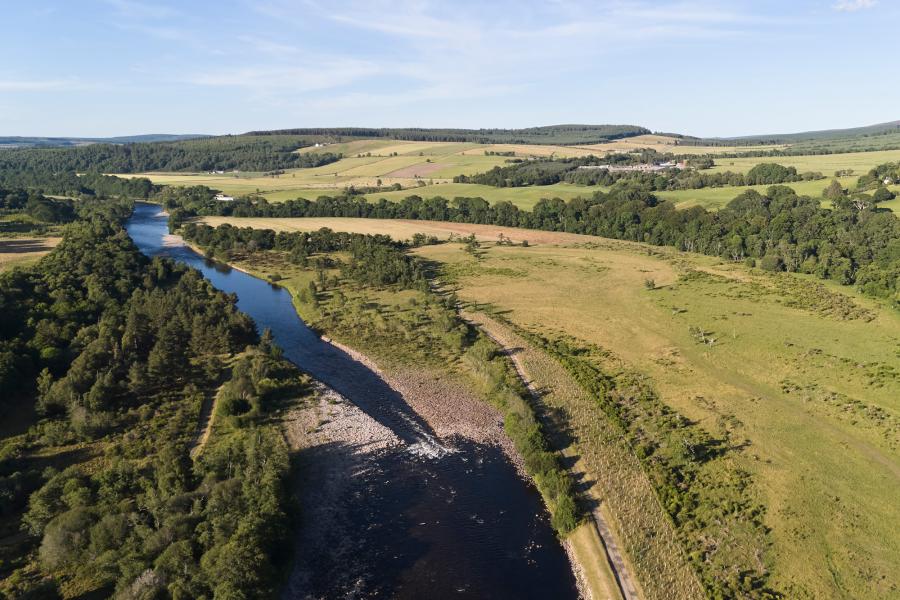
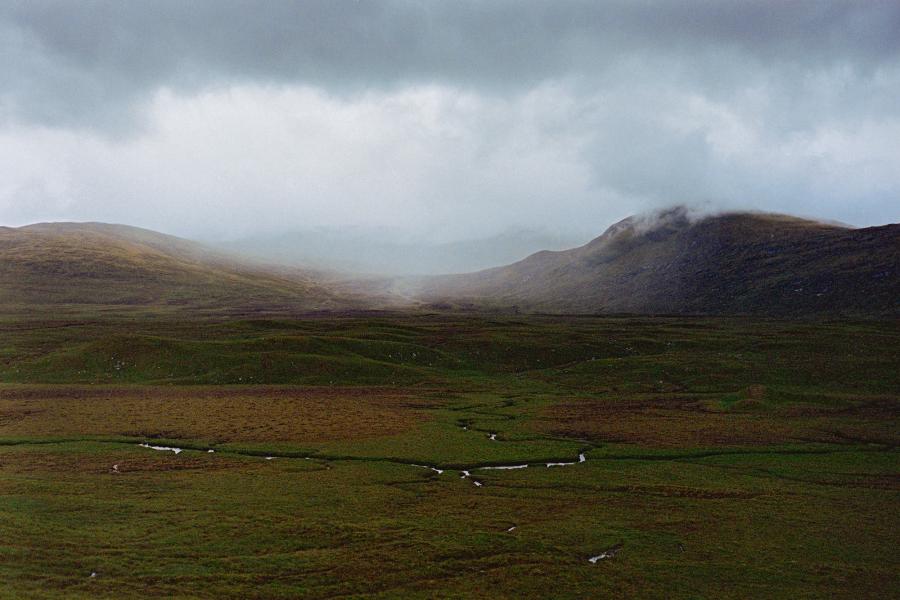
The Spey’s more distant industrial past of the 19th century saw timber floated down the river in rafts to shipyards at the river’s mouth and down the east coast. Local historian and storyteller Sarah Hobbs, of Strathspey Storywalks, has located a ship likely made of Rothiemurchus wood which has come to rest off the shore of New Zealand, which is remarkable. It is also eye-opening to discover that well before riverside tree-felling during the war effort, Scots Pine was bored and transported to London to be used as pipes, stamped with the mark of its origin.
Looking at this history leads us to question our current connection to the Spey; our understanding of the river, our awareness of what it needs, how we protect its ecosystem and the hurdles to doing that. Just one glance at a map reminds us that the river is as much a part of our communities now as it was hundreds of years ago.
Recently we have come to understand that the Spey’s water is a finite source; these past summers have dried out springs, leading some homes to be without water, and temporary pumps have had to drain directly from the river to supply reservoirs. River levels have been so low and water temperatures so high that they have endangered river life; from iconic salmon to precious freshwater pearl mussels. This year, the river levels were even low enough to halt production of famous Speyside whiskies for an extended period.
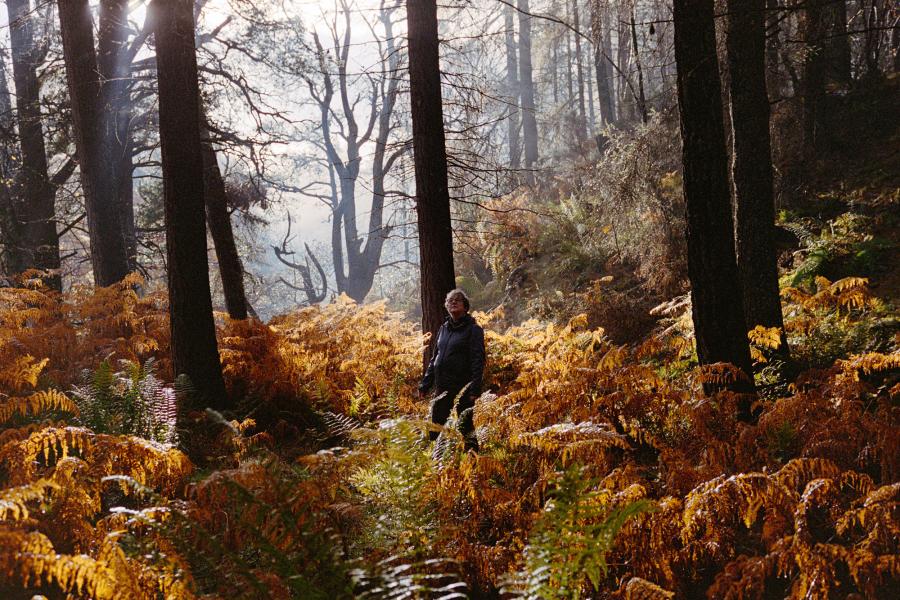
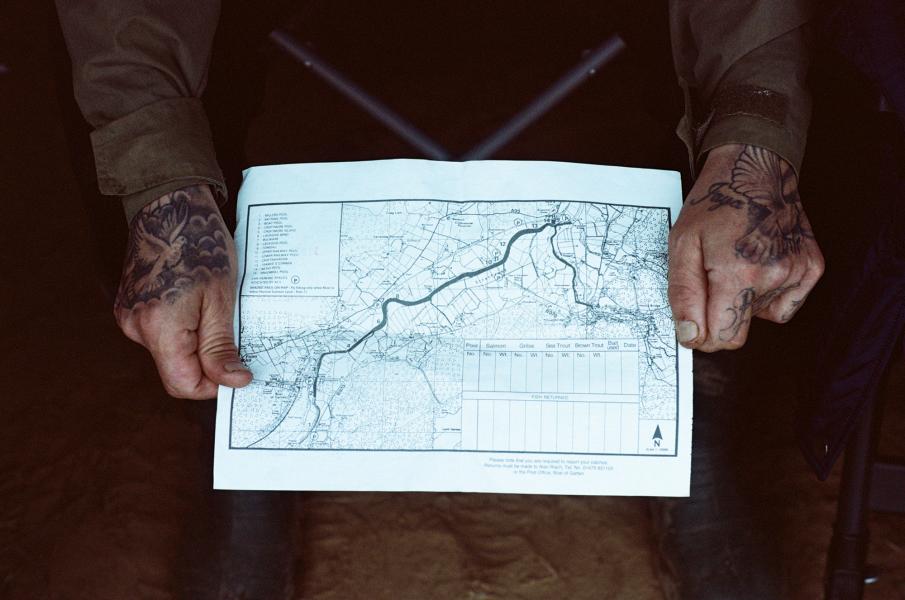

Alongside learning about individual perspectives along the Spey, I want to understand if these recent experiences are making the river more prominent in our collective consciousness once again, and how we are adapting to support and protect this vital ecosystem.
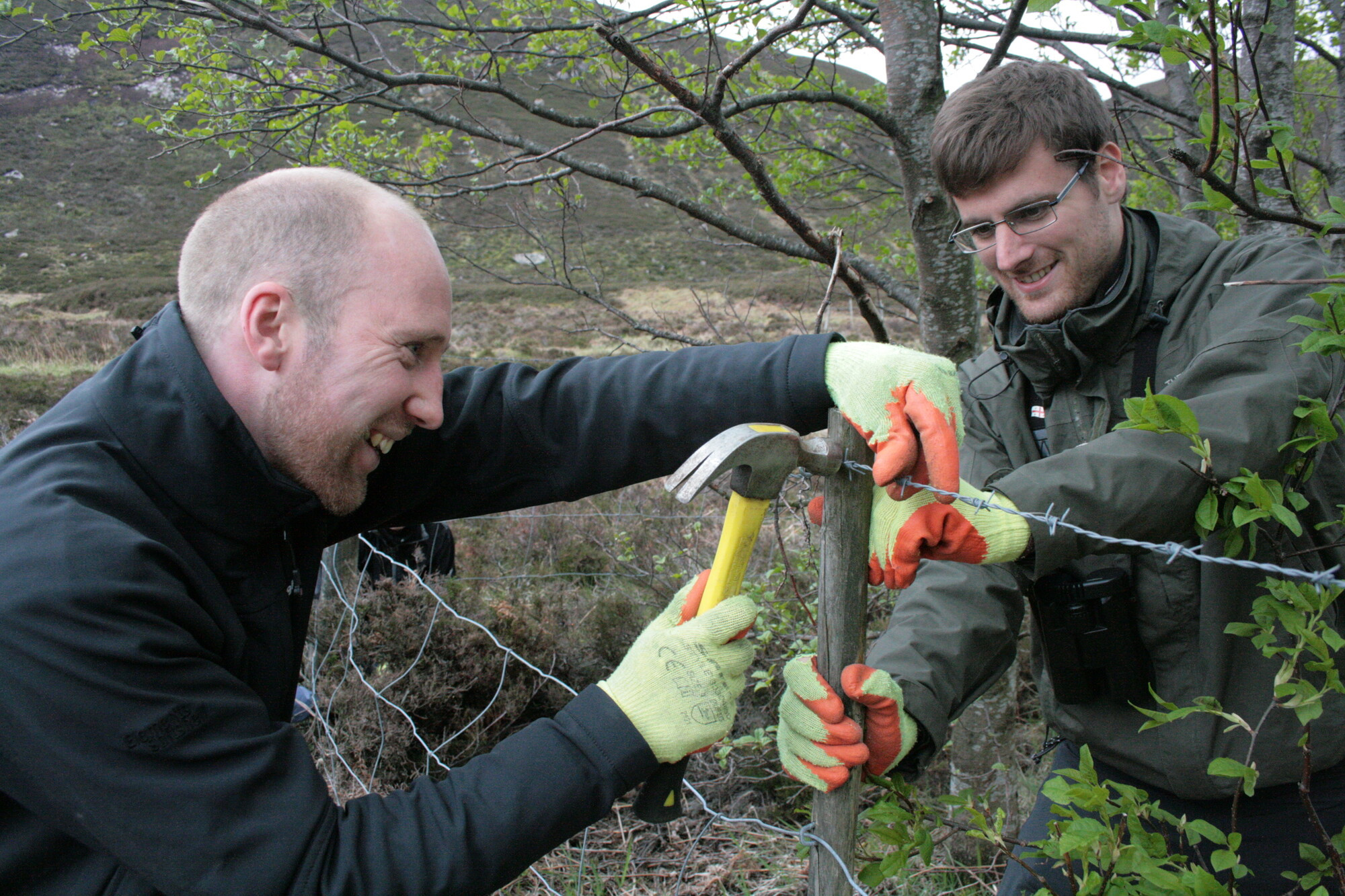
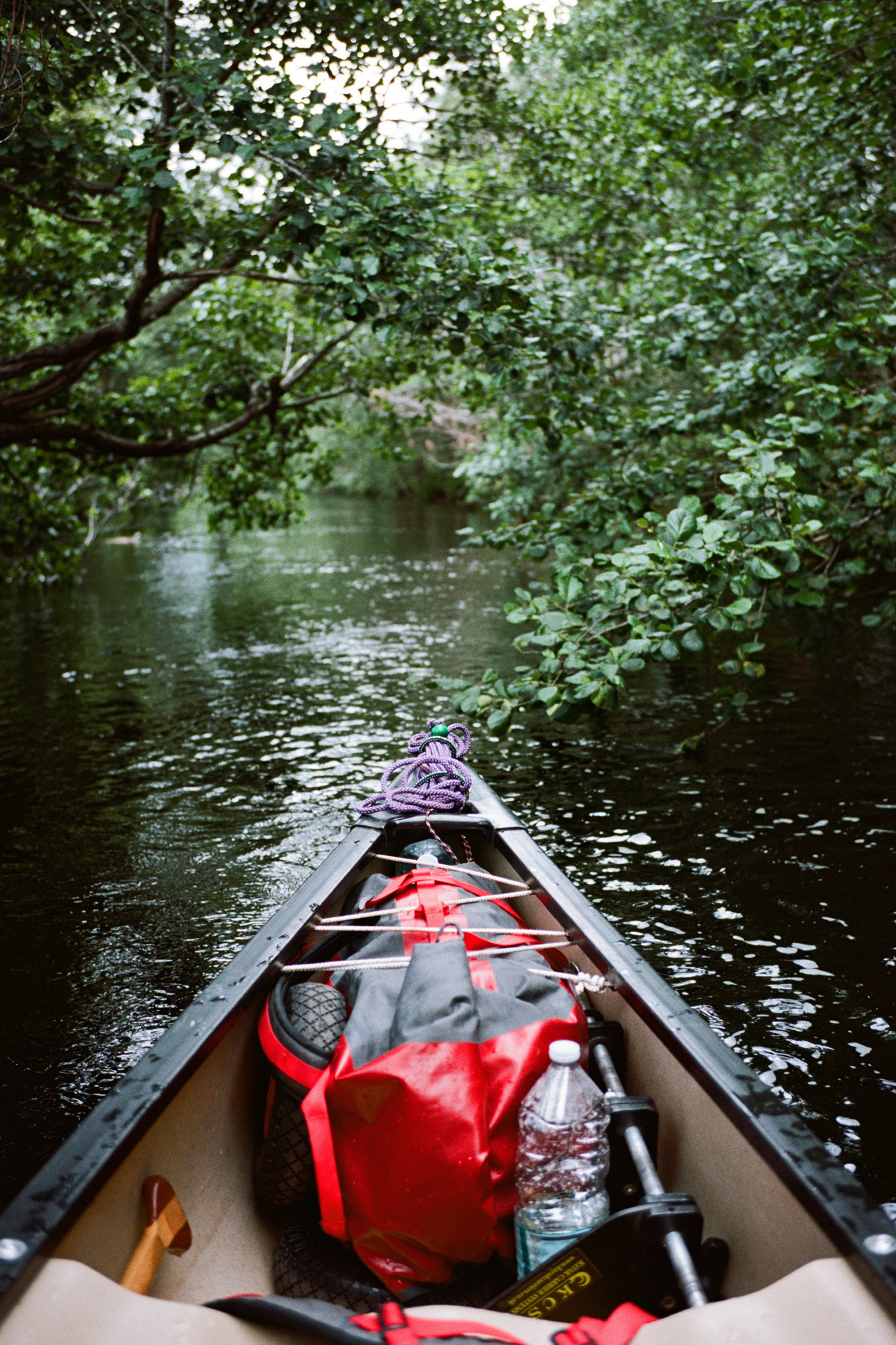
So as we reflect on the past and consider the present, it seemed fitting to start this documentary journey by taking my family canoe (affectionately known as ‘Disco’) into waters it had not visited in decades. It was bought by my parents almost 40 years ago, giving me my first formative experiences on the River Spey.
Documenting the river – its environment, community, culture and heritage – on camera is a huge learning process that is only just getting started. The goal is not to make big, sweeping conclusions, but to use photography to collect and share knowledge that can develop broader understanding and awareness as we learn to protect it for future generations.
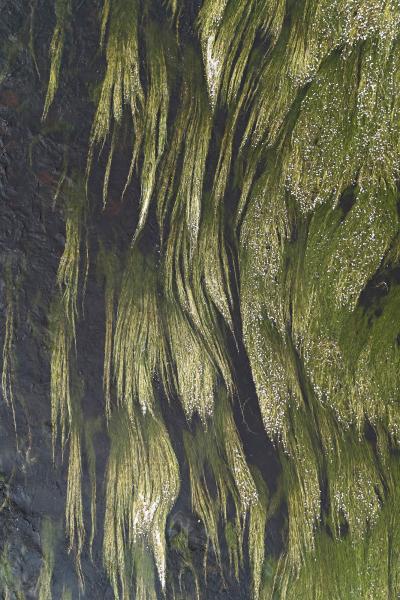
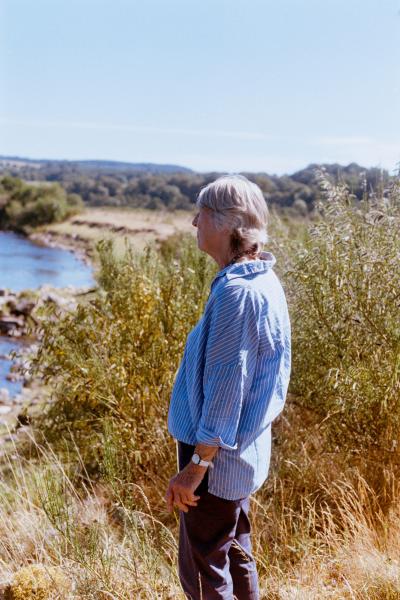
What has really stood out so far from all of my interactions is the plethora of reasons why people look to the river. From ecologists taking in minute details and a sense of excitement from the diversity of life it promotes, walkers on its banks enjoying the changing scenery and energy, anglers finding a sense of meditation in the flow and individuals living next to the river simply looking out and taking it in. It’s made me think about the innate draw to the river and our individual ways of expressing joy and appreciation. An attraction of some kind or other seems engrained in us all, even if it is just bubbling away beneath the surface.
The River Spey will flow well beyond our lifetimes. But I hope this project helps us to observe it more, understand it better, get to know its people, and contribute to a collective record of learning and change.
To connect and follow Ed’s photographic documentary, visit his website www.edsmithphotography.com or follow his social feeds @edsmithphoto

More news and views
-
Fit it taks tae train a horse
-
Creatives connect people to nature and place with autumn workshop series
-
Five key learnings from the Cairngorms 2030 Communities Fund co-design process
-
Cultural heritage fund returns
-
Park Authority board appointments
-
Recipients of 2026 Climate Adaptation Fund announced
-
Calling equality experts in the National Park
-
Glenmore reopens and the Scottish Government announce £3 million for business recovery