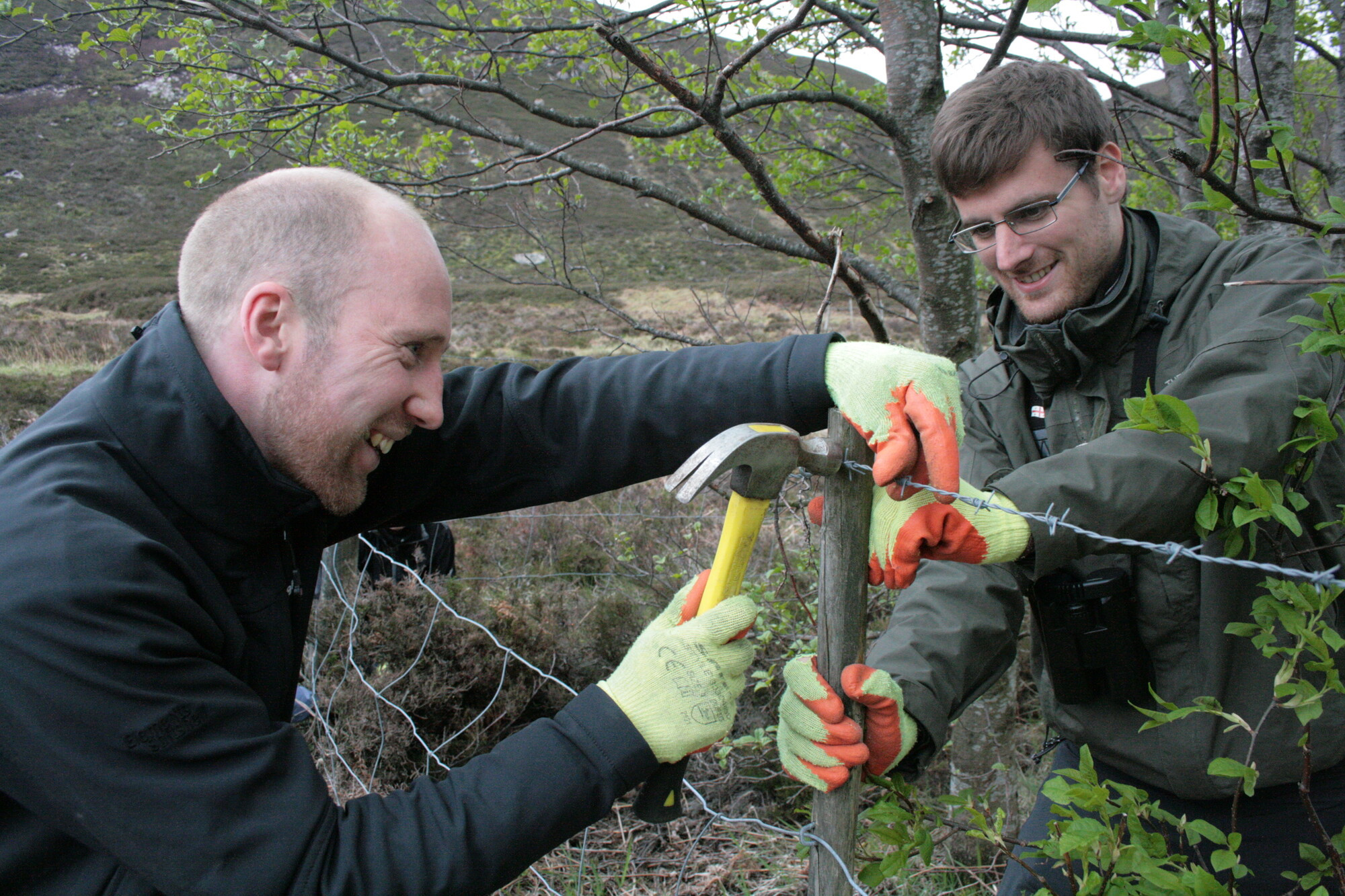
National Park rangers and Police Scotland gear up for joint patrols
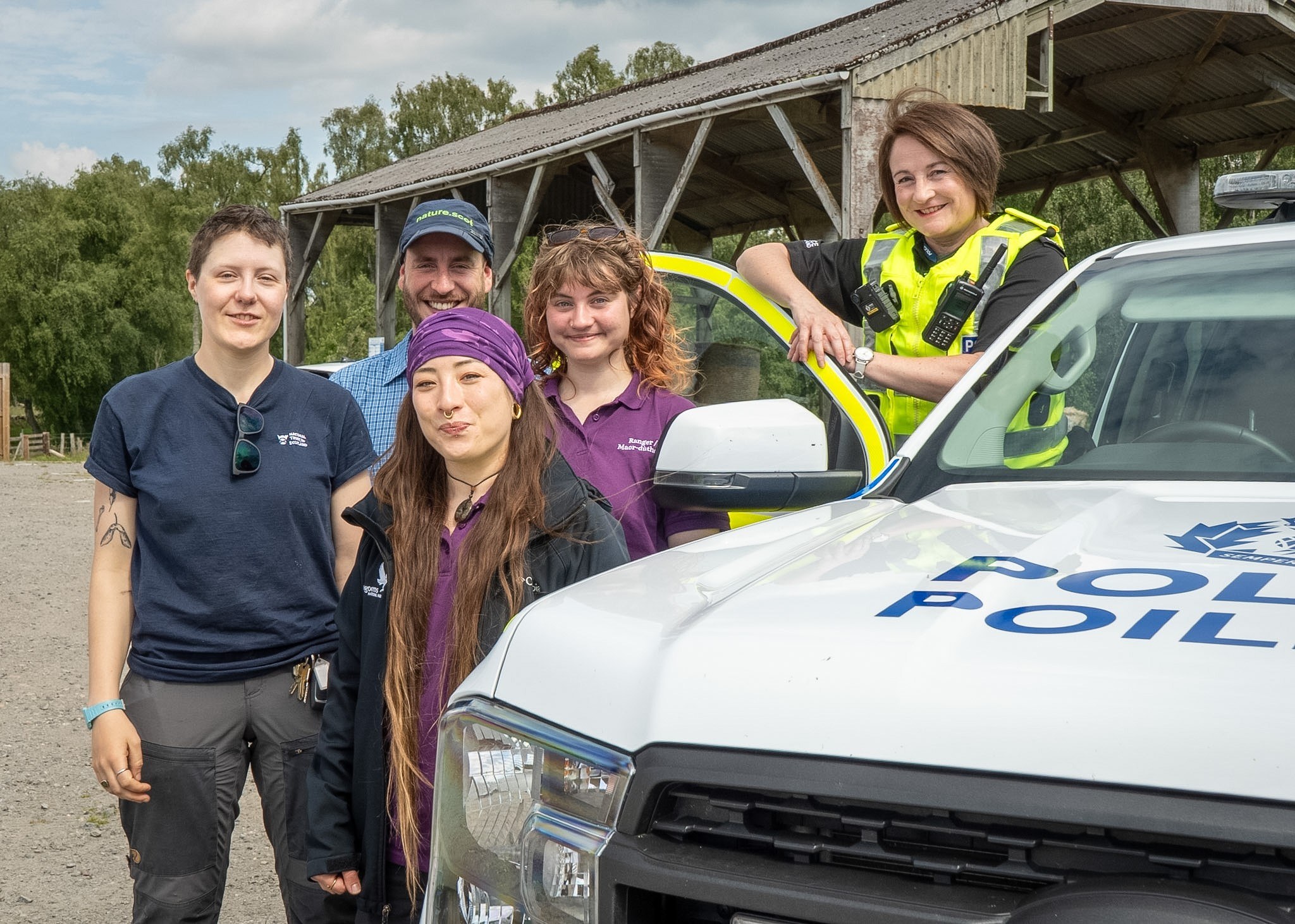
National Park rangers and Police Scotland gear up for joint patrols
Late-night patrols will begin in Deeside and Glenmore as the busy summer season gets underway. Similar operations have been held before, but what makes this year different is that a byelaw banning campfires and barbecues is now in place across the National Park between 1 April and 30 September – carrying a maximum fine of £500 – and police officers will be able to help enforce it.
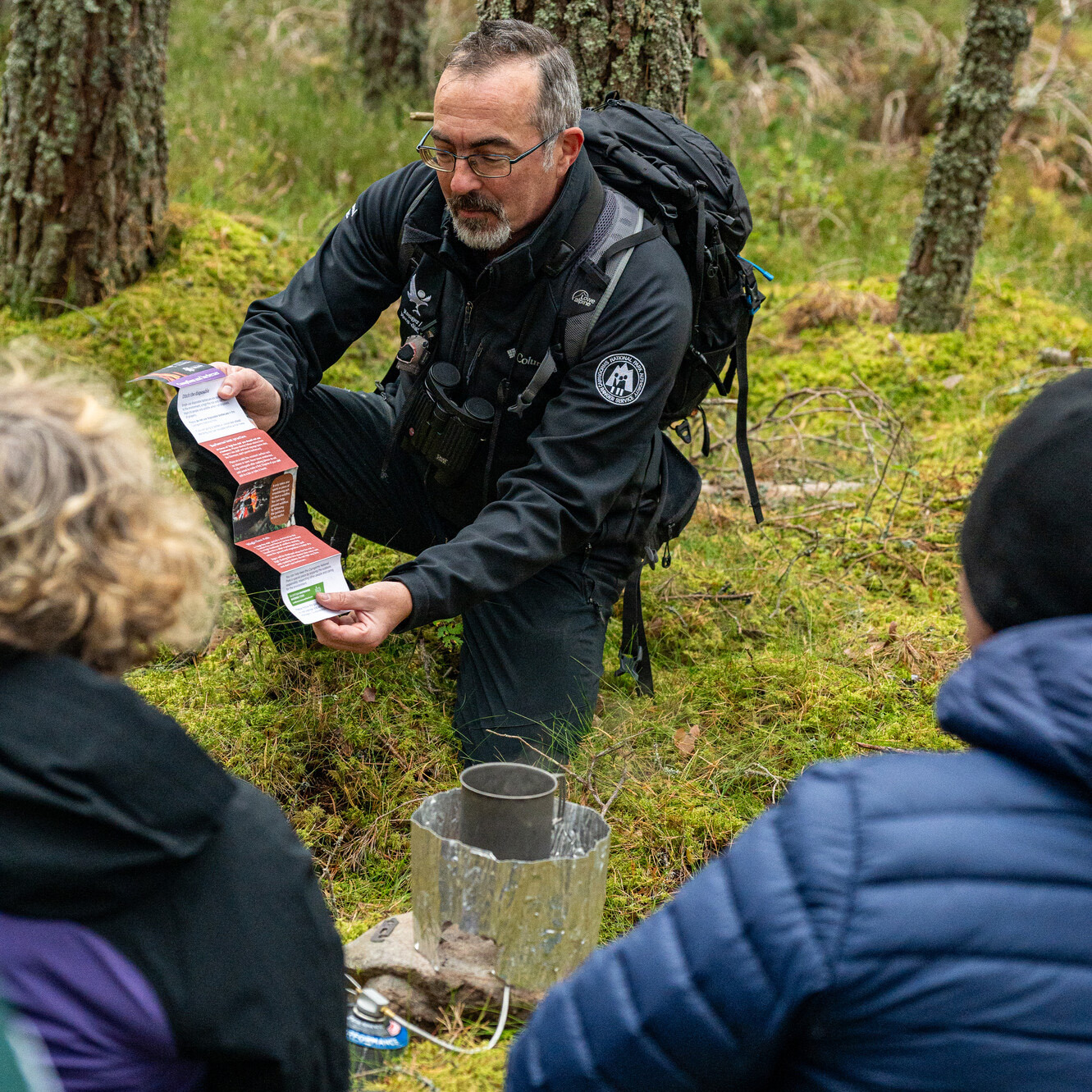
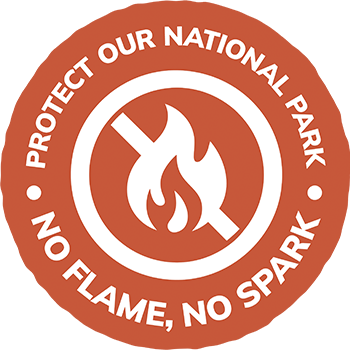
Since its launch, Park Authority rangers have been working closely with partner ranger services from across the National Park to engage with visitors and increase awareness. Additional weekend rangers have been recruited and a new full-time permanent ranger has joined the team in the Angus Glens. In total, a record number of more than 100 rangers – including permanent, seasonal, volunteer, trainee and partner services staff – are on duty this summer to spread the message: Protect our National Park. No flame, no spark.
Colin Simpson, Head of Visitor Services at the Cairngorms National Park Authority, said: “Three months on from the launch of the byelaw, the response on the ground has been overwhelmingly positive. Already this season, our rangers have engaged with more than 2,000 people, providing information and advice about responsible access, countryside safety and the new seasonal fire byelaw.
“We’re also working with over 100 local businesses, estates and community groups to help spread the message far and wide. What is encouraging is that the message is being well received. In the first three months of the byelaw being in place, rangers have only come across half as many fires as last year and less than a quarter of the numbers seen in 2024.
“We’re delighted to be working with Police Scotland again this summer to increase our presence in visitor hotspots. People care deeply for the National Park – we want everyone to have a positive experience and enjoy the outdoors responsibly. The byelaw is designed to help us all protect the wildlife, landscapes and communities here for many years to come.”
The Police Scotland patrols begin tomorrow (4 July), running every weekend until 29 August. In Deeside, they will cover Upper Deeside and Dinnet west, including Muir of Dinnet, Cambus O’ May and Mar Lodge Estate, Braemar. In the west of the National Park, patrols will be focused on the popular area around Loch Morlich and the wider Glenmore and Cairngorm Mountain areas.
Constable Ann Ashman, Wildlife Crime Liaison Officer, is running the summer operation for Police Scotland in Upper Deeside. She said: “We are carrying out patrols with partners to tackle issues that affect rural communities such as anti-social behaviour, illegal parking, littering, starting fires, drinking and wildlife crime.
“It is the first year that it will be illegal to have a fire or barbecue in the National Park and I want everyone to be aware and act responsibly. Wildfires have a devastating impact on wildlife, on business and on those living in our rural areas.
“We also urge people to take care around water, especially when swimming in lochs, reservoirs and rivers. Take care and never enter the water after consuming alcohol.”
She added: “We welcome the opportunity to work proactively with partners to ensure that the countryside remains a safe and enjoyable place to live, work and visit.
Simon Ritchie at NatureScot, which manages Muir of Dinnet National Nature Reserve, said: “Visitors come to Muir of Dinnet to enjoy being outdoors, connect with nature and spot a huge variety of wildlife, from red squirrels to adders and ospreys. The vast majority of our visitors are very responsible and have responded well to the byelaw, but we have seen a small number of fires and barbecues this summer.
“Wildfires can have a devastating impact on the wildlife and habitats that make the National Park so special, and even a spark can cause huge amounts of damage. These joint patrols are a great initiative that will help to reinforce the new rules, ensure responsible behaviour and tackle any issues where they arise.”
The joint patrols support the delivery and awareness of the fire byelaw, as well as a range of other measures that began in March. These include:
- A major communications campaign, which has so far reached more than 1.8 million individuals. The fire byelaw launch was covered extensively by the press, with more than 250 pieces of coverage across television, radio and print outlets.
- Roadside and variable messaging signs are in place at key entrances to the National Park
- Leaflets and other print materials for businesses, residents and partners are available to order or download on the Park Authority website. More than 100 businesses have got involved in the campaign so far. This includes ‘no flame, no spark’ beer mats, distributed to bars and restaurants by Cairngorm Brewery.
- A series of online business drop-in events with the Cairngorms Business Partnership to promote the byelaw, explain how businesses can get involved and answer any questions.
- The fire byelaw bans the use of barbecues in the National Park but it does not legally prevent the sale of disposable barbecues by individual retailers. However, as part of the byelaw rollout the Park Authority wrote to retailers within the National Park encouraging them not to stock these items.
- The creation of a dedicated page on the Park Authority website with useful information and FAQs on the byelaw.
Members of the public are urged to help by spreading the word that people should not light fires or barbecues outside their own gardens between 1 April and 30 September, follow advice from rangers and local signage, and report any fires immediately by calling 999.
Related
New byelaw boosts wildfire mitigation in National Park
A seasonal fire byelaw for the National Park has been approved by Scottish Government ministers.
Seasonal fire management byelaw agreed by Park Authority board
The Park Authority board has agreed to the introduction of a seasonal fire management byelaw today at the June board meeting.
Barbecue and campfire ban comes into effect
Seasonal fire byelaw begins in the Cairngorms National Park.
Park Talk – Sandy Bremner
Sandy Bremner, Convener at the Cairngorms National Park Authority It was a magic moment, made all the more special because it came from a village that’s been to hell and back.