Park Talk: Green gains in the Cairngorms National Park
Park Talk: Green gains in the Cairngorms National Park
Somewhere between mild autumn days and the cold, crisp ones of winter, November might not typically be the time of year you feel the urge to head outdoors, but I would say – go for it. Much has been invested this year in improving the National Park for the people who live, work, and visit here and its unique places and nature.
Cairngorms 2030 projects, supported by The National Lottery Heritage Fund, are fostering a more accessible, active National Park through a focus on active travel and green health. More than 50 people have now benefitted from a nature prescription from one of the four GP practices involved in Badenoch and Strathspey. At the Outdoor Dementia Resource Centre at Badaguish, hundreds of people have taken part in 150 different nature-based activities since the official opening in April 2023. Both projects include options to self-refer, so if you would like to know more about these for yourself or a friend or family member, have a look on the Park Authority website.
Investment has also been made this year on improving and extending the Deeside and Speyside ways. The Charter Chest Path opened at the start of November, connecting Braemar village to the car park at the Keiloch via the historic Queen’s Drive and the Old Brig o’ Dee military bridge at Invercauld. The path adds two kilometres to the 1,000km of core paths across the Cairngorms and provides a safe and scenic route of the A93 for walkers, trail runners, cyclists and wheelchair users.
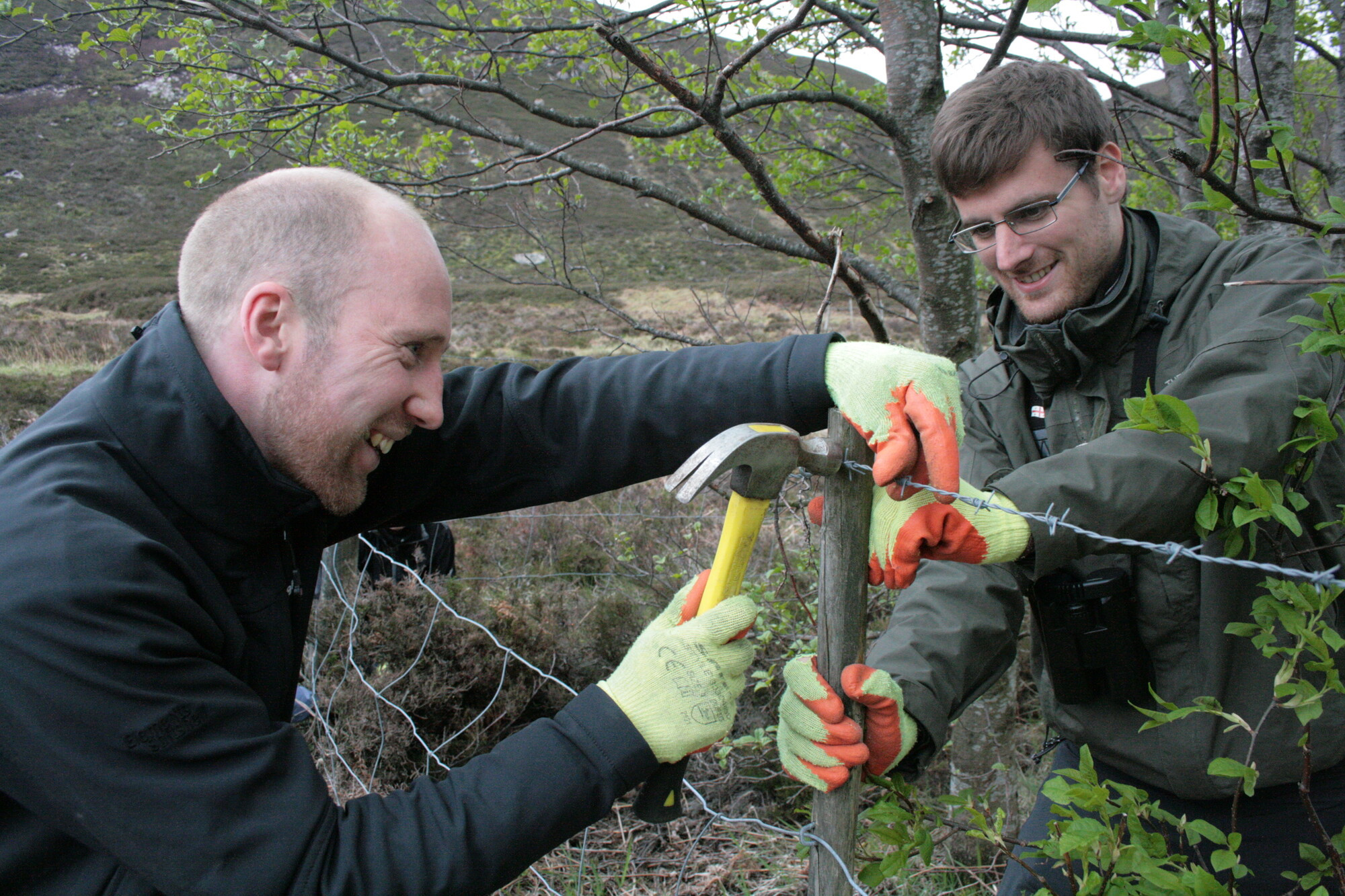
This month also marked the completion of the Cairngorms Nature Action Plan 2019 – 2024. Partnering with over 40 organisations, land managers, communities and volunteers, the Action Plan drove forward extensive conservation efforts, supported by £7 million investment secured by the Park Authority. Some of its biggest successes were increasing native woodland cover by 6,000 hectares, restoring more than 5,000 hectares of peatland, benefitting thousands of species, trapping CO2, improving water quality, and reducing flood risk. Over 100 kilometres of river and riparian habitats was also restored. The Strathspey Wetlands and Wader Initiative worked with farmers, crofters, land managers and volunteers across a massive 9,000 hectares to create and enhance wetlands and wet grasslands, providing essential habitats for wading birds, including lapwing and curlew. There was also success for some of our most vulnerable species. Pioneering reinforcement and reintroduction work was delivered through partnerships for wildcat, beaver, pine hoverfly and the dark bordered beauty moth.
As we look to 2025, we are determined to keep up the momentum as we work together to address the twin nature and climate crisis whilst also focussing on key issues like affordable housing. As ever, the people of the National Park will play a huge part in that and I’d like to thank those who live and work here, including local businesses, land managers and all our partners for all their dedication, expertise and support.
Latest from the National Park
Go ahead for Slugain Burn project
News from the October Park Authority Planning Committee
Restoring high altitude peatlands
Our Peatland ACTION Programme Manager on how we tackle high altitude peatland sites.
The King visits Lochan Uaine
His Majesty visited Lochan Uaine in the Cairngorms National Park this morning to unveil a commemorative stone and meet members of the community who were affected by the recent wildfire.