Park talk: Keeping livestock safe this spring
Park talk: Keeping livestock safe this spring
By Eleanor Mackintosh, Deputy Convener of the Cairngorms National Park Authority board
The longer days of spring are welcomed by everyone but particularly by the farming community. More daylight hours – and usually better weather – means we can get more work done around the farm.
As a farming family in Glenlivet, we are always busy. We work seven days a week, 52 weeks of the year! Springtime however is probably the most intensive spell in the farming calendar. For us, we have lambing ewes and calving cattle to look after – it’s exhausting but rewarding to see a shed or a field full of healthy young livestock.
From the time the ewes or cows are scanned to see if they are pregnant to the point of weaning (and beyond) – all our focus is on trying to keep everything alive and well, in order for us to balance the books.
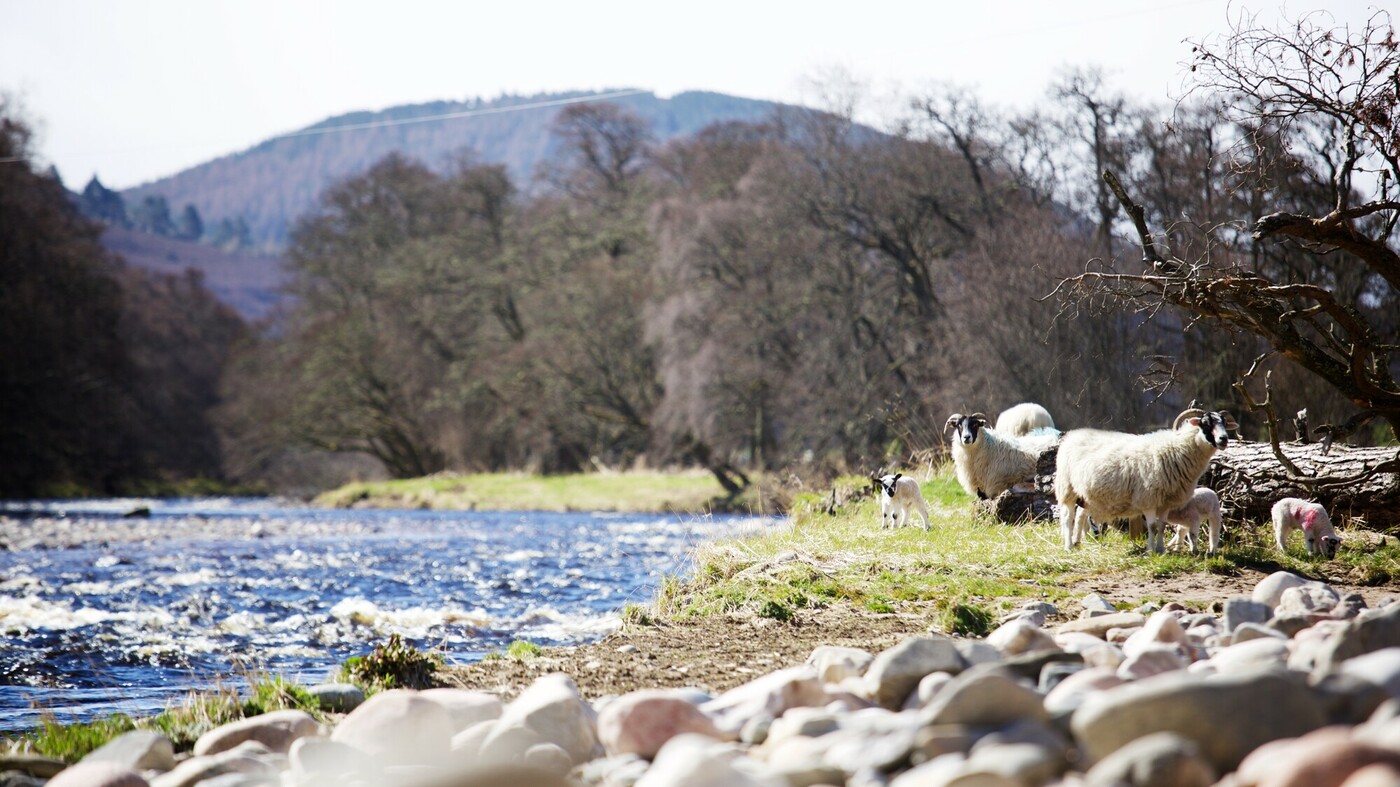
At the same time, we are creating that quintessential spring scene that people love – happy, bouncing lambs, ganged up and chasing each other in a lush green field with the sound of farmland waders whooping and calling their chicks as the accompanying soundtrack.
In order for this heart warming scene to continue to be enjoyed, the general public – and particularly the dog owning public – need to help us. And it is very easy for them to do this.
Firstly, keep your dog under close control while out walking near farmland where there are pregnant ewes and lambs – or even better – put the dog on a lead and keep it on a lead until it is safe to let it off. Loose dogs around pregnant ewes or lambs can have devastating impacts from miscarriage to injuries or death as a direct result of chasing or attacks by dogs. And secondly, please don’t walk your dog through any field that contains young lambs or calves.
Having dogs under close control or on a lead also means that our much loved farmland waders like curlews, oyster catchers and lapwings can go about their breeding season undisturbed by peoples pets. Although predation and cold weather are still an issue for them – there are things within our gift that can help and one of those is having control of our dogs. So let’s give them a helping hand by having that lead to hand. Afterall, farmland waders are declining nationally but the Cairngorms National Park continues to be a stronghold – let’s keep it that way.
And don’t forget to consider the safety of other vulnerable ground nesting birds like capercaillie in the woodlands or dotterel on the high tops at this time of year too!
Finally, please pick up all dog poo. Diseases transmitted to livestock through dog faeces can be fatal and can cause unpleasant effects such as impaired vision and neurological symptoms. There is a saying in farming: “where there is livestock there is deadstock” and while some things are out of our control, there are actions that we can all take that can help ensure our valuable farming stock continues to contribute to our family enterprise and in turn, the local economy and surrounding environment.
For more information please check out the Scottish Outdoor Access Code: http://www.outdooraccess-scotland.com/Practical-guide/public/dog-walking
Latest from the National Park
Come and meet us!
The Park Authority team will be out and about at events this autumn and winter
Draft Partnership Plan consultation goes live
People living and working in or visiting the National Park asked for feedback on the next Partnership Plan.
Time well spent as we stop to blether about farm realities
The latest column from our Agricultural Adviser - first published in the Press and Journal