Time well spent as we stop to blether about farm realities
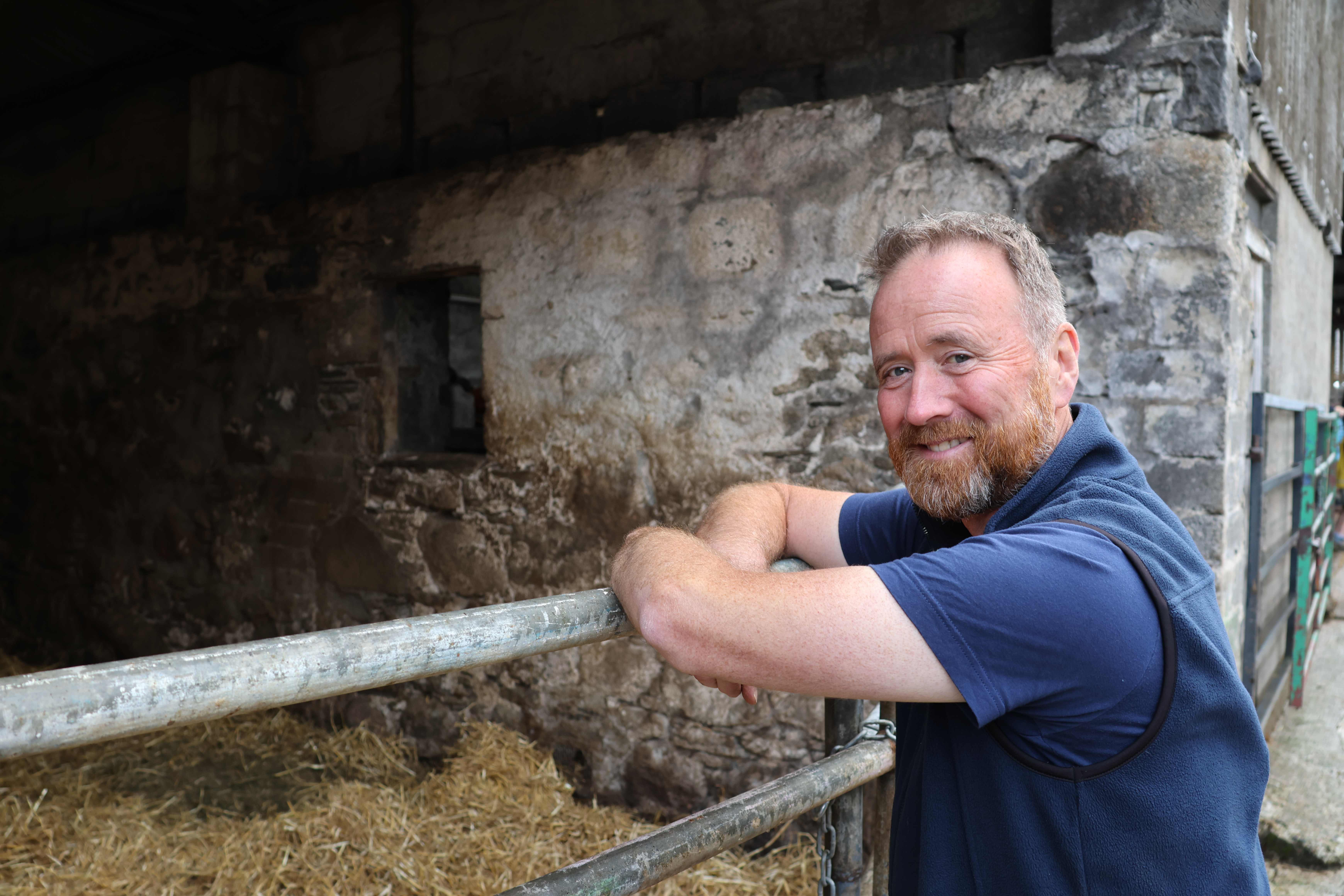
Myself, Sammie and the boys have all really appreciated the opportunity. I’m really passionate about getting folk away from the day-to-day graft for a blether about the realities of farming life. It’s so important to have that social connection and to support each other in an industry that’s going through its fair share of ups and downs.
From delving into the difficult topic of farm succession to hosting meetings on farm book-keeping and visiting other farms to learn from each other, there have been so many valuable experiences and conversations. It’s presented lots of opportunities for us – including access to new technology, such as grazing collars and an AI sprayer, to state-of-the-art soil sampling.
At our final meeting last week, Miller’s of Speyside gave us a live butchery demonstration. They butchered two ribs of beef of different carcass grades, talking through every step of the way; a great insight. We also discussed changes we’ve made to the herd over the last four years, including feed analysis and the impact that’s had on performance. When we started, our son Hamish wasn’t part of the business – so it’s been great to see him come into his own, hosting talks as part of the programme.
Thank you to the loyal group of regulars who attended and supported us – I hope you got as much out of it as we did. We’re delighted that the monitor farm events (alongside a few other charity challenges) also raised more than £5,000 for Royal Highland Educational Trust (RHET) and the Royal Scottish Agricultural Benevolent Institution (RSABI); two very worthwhile causes which do a great deal to support the farming community.
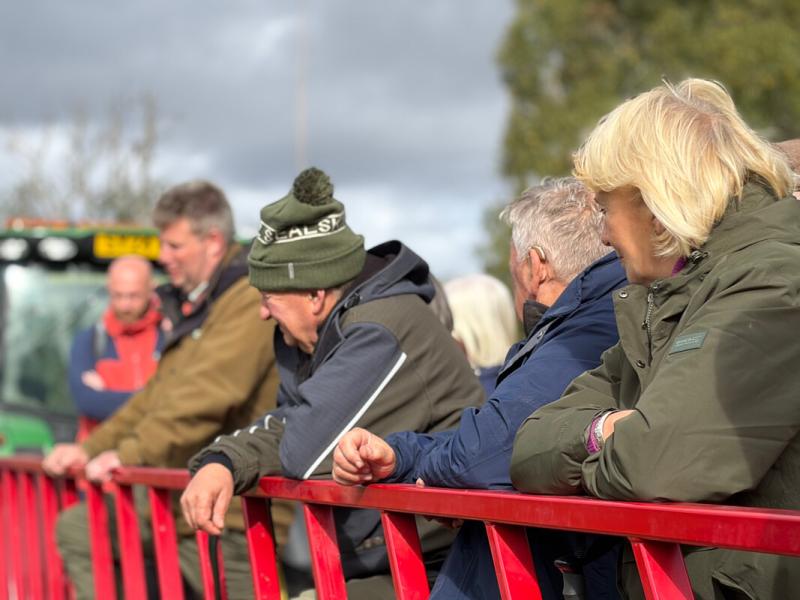
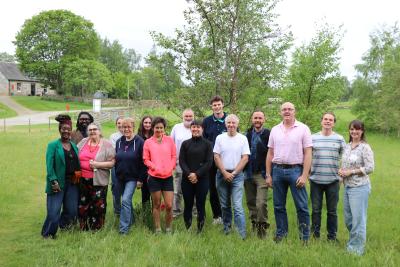
Auchernack Farm has had no shortage of visitors lately, between the monitor farm sessions and various events thrown up by my role at the Park Authority. One of the latest involved hosting a field trip as part of the UK National Parks Conference last month. Almost 200 people from all 15 of the UK’s National Parks and other interest groups gathered in Aviemore to discuss a wide range of topics, from land management and wildfire risk to conservation projects and community empowerment.
It was great to meet the delegates who chose to come to Auchernack for our field trip. They had a range of backgrounds and interests; some had dual roles like me – working for a National Park Authority as well as having a farm themselves – while others were approaching the visit from a different perspective, keen to get more experience on farm.
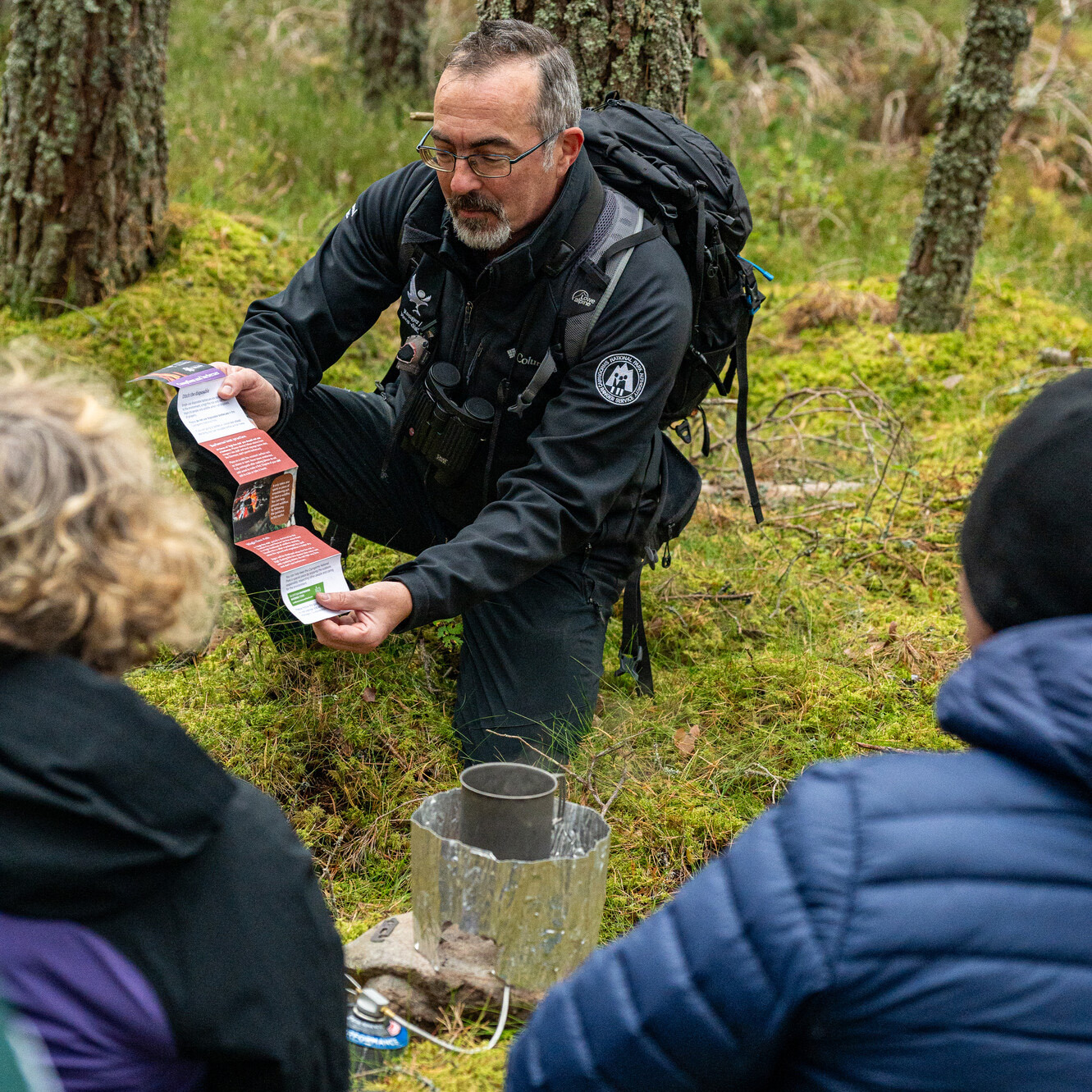
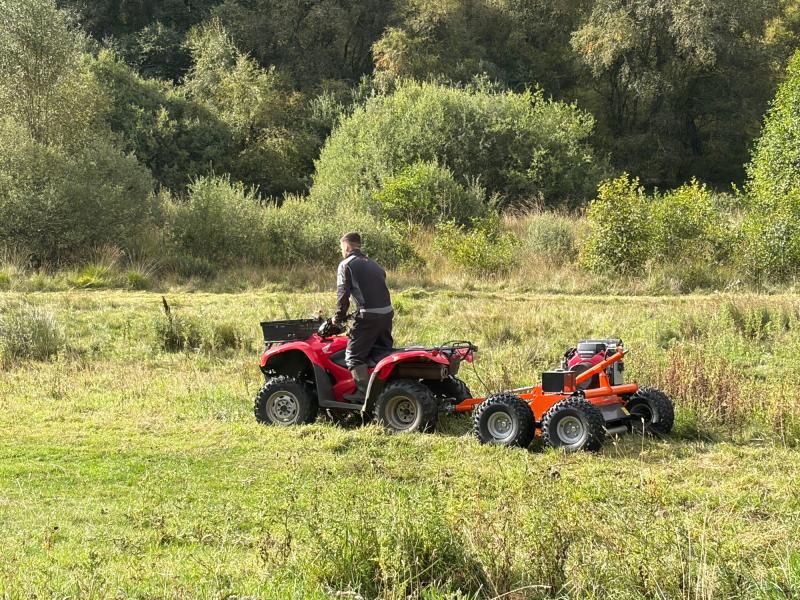
We covered a lot of ground, demonstrating the no-fence collars we use with our cattle. My colleague Rebecca Watts, a Conservation Officer, joined to speak about the importance of species-rich grasslands. She explained that when grassland ecosystems age they become more complex, making them ideal habitat for rare plants and waxcap mushrooms if the ground hasn’t been intensively managed. To help farmers in the National Park protect these areas, we recently launched a flail topper loaning scheme for land where grazing isn’t possible.
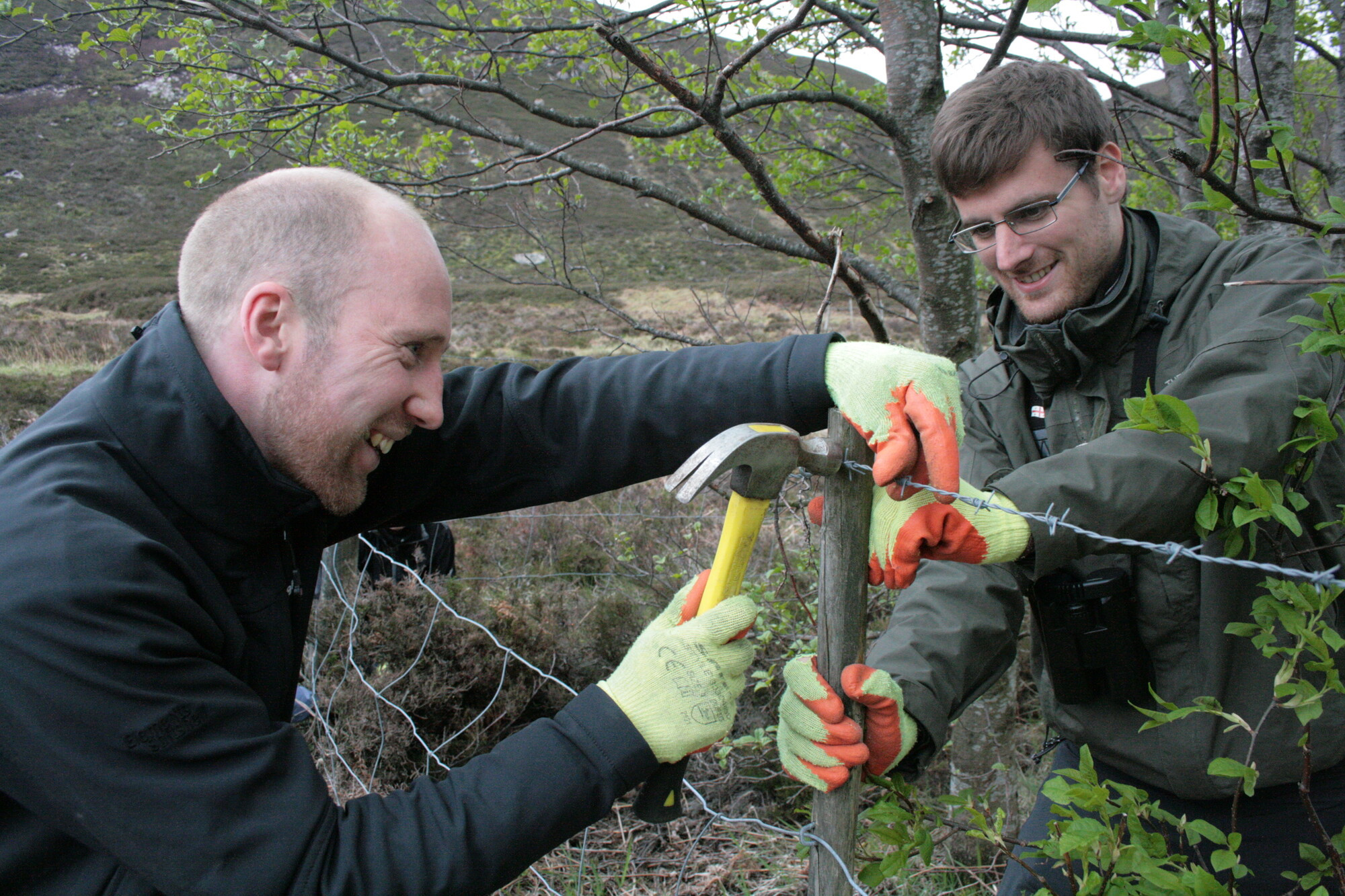
We also went into nearby aspen woods to join Carl Allott from the Rare Invertebrates in the Cairngorms project. He shared the importance of this habitat for precious species including the dark bordered beauty moth, small scabious mining bee and aspen hoverfly. We put the group to work digging out birch trees to give the aspen more space to thrive in our experimental enclosures.
By then we’d worked up quite an appetite, so naturally we got stuck into some Auchernack beef burgers. They were served up by KJ of the famous KJ’s Bothy Bakery, just along the road, with veggies provided by Lynbreck Croft. It was great to be able to highlight that everything had been produced from within three miles of the farm.
Throughout the day it was fascinating to hear from people from all over UK about the different challenges they’re facing, from drought conditions over the summer to the threats of bluetongue and TB to livestock.
The delegates also were very interested in finding out more about the Glenmore and Strath Nethy wildfire, particularly given that some had had similar experiences in their home regions over the summer. Those conversations were followed swiftly by another event in Aviemore on that topic just a day later, organised by the Cairngorms Crofters and Farmers Community and chaired by former MSP and Speyside farmer Edward Mountain.
I joined several of my Park Authority colleagues at the event, which I thought was a very constructive and respectful discussion about the lessons which need to be learned from an incident many of us are still reeling from.
Farmers, gamekeepers and land managers involved in tackling the fire were recognised for their efforts. It felt to me like there was universal agreement that there needs to be better communication between the fire service and volunteers if – or when – there is a next time.
I know I’m not alone in hoping that we can keep those positive conversations going, and that they can turn into quick action. Next week, the Park Authority will start consulting on its next Partnership Plan which guides our work over the next five years. Unsurprisingly, it includes a focus on growing wildfire risk and how we all need to work together to mitigate against that threat. After such a dry summer, it’s certainly right to have it as a priority.

More news and views
-
Go ahead for Slugain Burn project
-
Restoring high altitude peatlands
-
The King visits Lochan Uaine
-
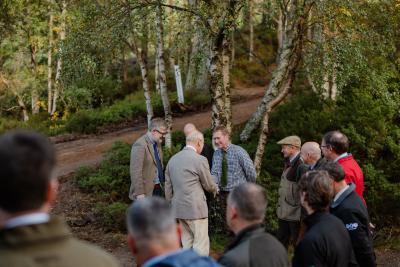
Conference puts national spotlight on conservation in Cairngorms
-
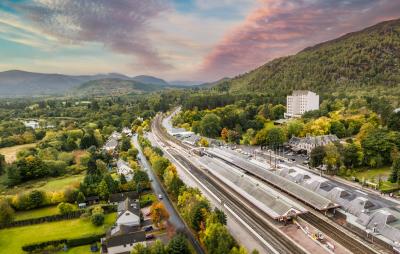
LDP Evidence Report agreed by Scottish Government
-
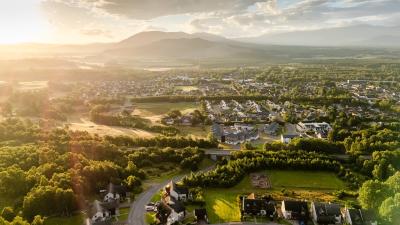
Park Authority welcomes Ministerial Statement on wildfires
-
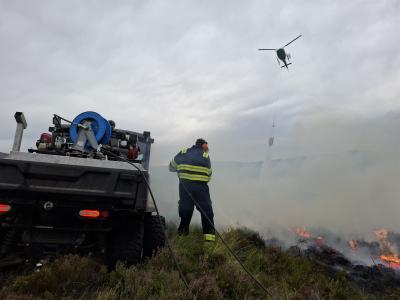
Communities shift up a gear with cycle hub funding awards
-
Pioneering £1 million fund opens for applications