
Capercaillie Emergency Plan 2025 - 2030

Capercaillie numbers are critically low, with only 532 left in Scotland. The Capercaillie Emergency Plan aims to improve capercaillie survival across the Cairngorms National Park, the last stronghold for them in the UK.
The Scottish capercaillie population faces extinction within our lifetimes unless urgent action is taken. The Capercaillie Emergency Plan, developed by the Cairngorms National Park Authority and NatureScot with support from over 100 stakeholders, will introduce swift and large-scale measures to combat this threat and help the population recover.


Aligned with the Scottish Biodiversity Strategy and Cairngorms National Park Partnership Plan, which focus on restoring pinewood habitat to protect capercaillie, the plan prioritises immediate and targeted actions. It outlines steps to make the most of current opportunities and address key gaps - improving habitats, removing fences, reducing the impact of predation, and minimising disturbance to rapidly benefit capercaillie.
In the early 1990s, scientists predicted that capercaillie would be extinct in Scotland by 2010. The fact they still survive highlights what we can achieve. While the population remains fragile and needs continued support, such efforts are common when protecting highly vulnerable species.
Thanks to the Cairngorms Capercaillie Project, led by the Park Authority, more people than ever are involved in helping capercaillie, alongside longstanding efforts by land managers. The Capercaillie Emergency Plan provides a clear way forward for continuing that collective endeavour, ensuring capercaillie thrive in our forests for generations to come.
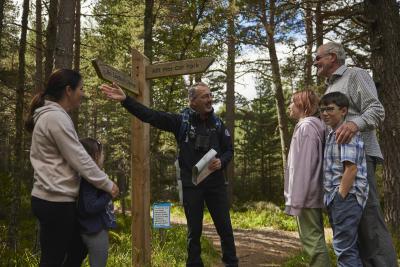
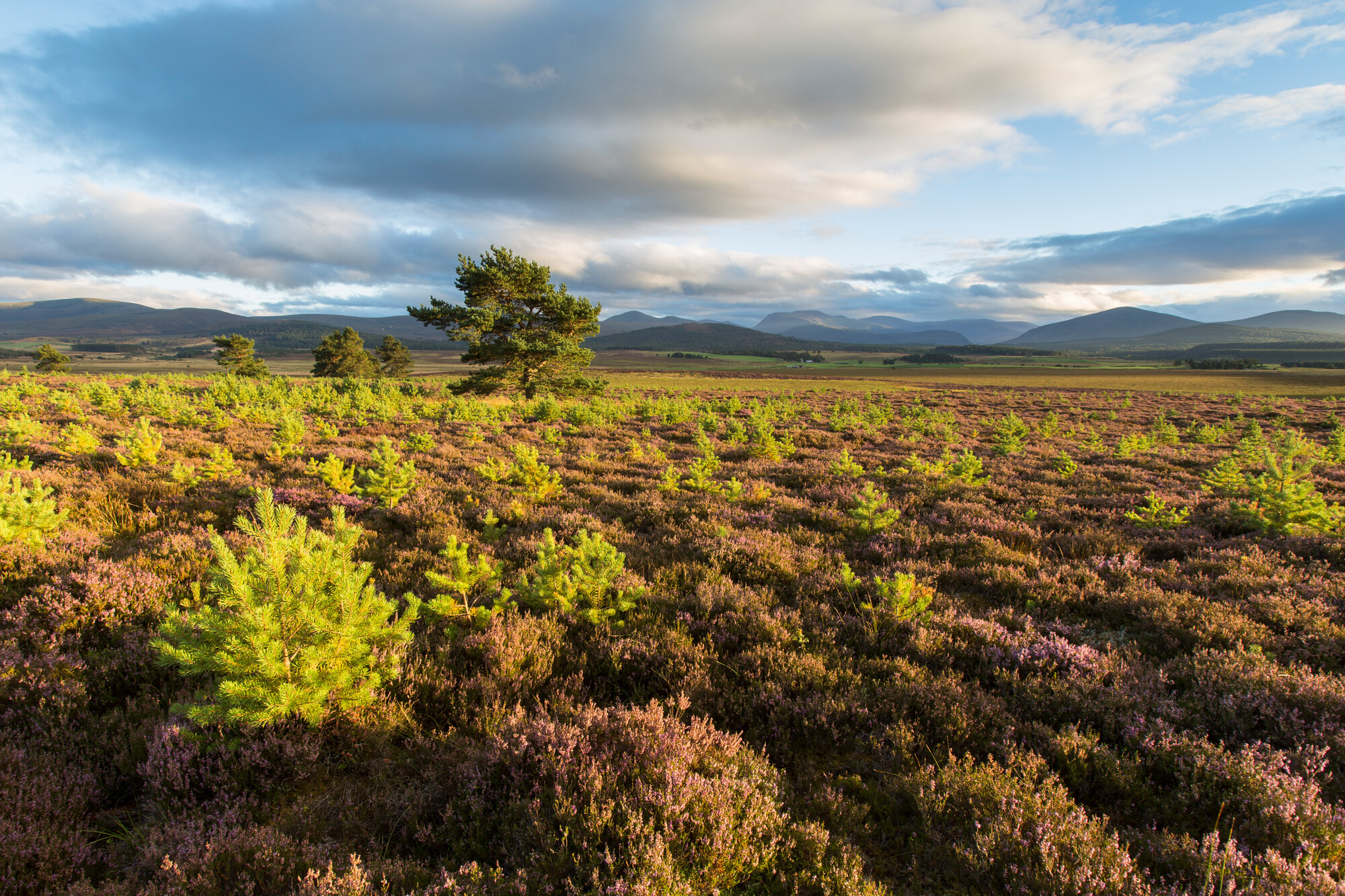
This document contains the Capercaillie Emergency Plan 2025 – 2030, launched by the Cairngorms National Park Authority and NatureScot on behalf of the Scottish Government, to urgently address the rapidly declining capercaillie population in Scotland, which has fallen by 52% in the last five years. The plan focuses on immediate and targeted actions within the Cairngorms National Park, home to most of the UK’s capercaillie, to improve breeding success and survival. Key initiatives include expanding and enhancing forest habitats through restructuring, grazing with cattle, and restoring bog areas, as well as using a technique called robocutting to manage heather. The plan also includes diversionary feeding to reduce the impact of predation, monitoring populations of voles and pine martens, and removing or marking fences that pose a collision risk. Additionally, it seeks to reduce human disturbance from activities like mountain biking and dog walking. To better understand the population, new monitoring methods, such as genetic surveys from droppings, will be used to help track capercaillie numbers. The plan also explores the feasibility of bringing in capercaillie from Europe to increase genetic diversity if necessary, aiming to secure the species' long-term future.
This document contains a feasibility study report on reinforcing the UK's capercaillie population. The report explores different scenarios for bringing in capercaillie from other areas to help the Scottish population, since the Capercaillie Emergency Plan recognizes that action may need to be taken to reinforce the population. It discusses the potential benefits and risks of each scenario, and includes input from stakeholders, such as land managers and conservation experts, gathered at a workshop held by the Cairngorms National Park Authority. The report recommends further investigation into potential translocation sites and methods, as well as creating a decision-making framework and conducting a population viability analysis.
Get in touch
If you would like to find out more about the Capercaillie Emergency Plan please email [email protected]
-

Date
2025 - 2030
-

Value
£12m from public, private and third sector (£460,000 from public sector in year one)
-

Location
National Park-wide
-

Partnership plan objectives
-

Partners
Capercaillie Emergency Plan 2025-2030
The Capercaillie Emergency Plan is delivering action across the National Park to restore Scotland’s endangered capercaillie population.