A life in the mountains
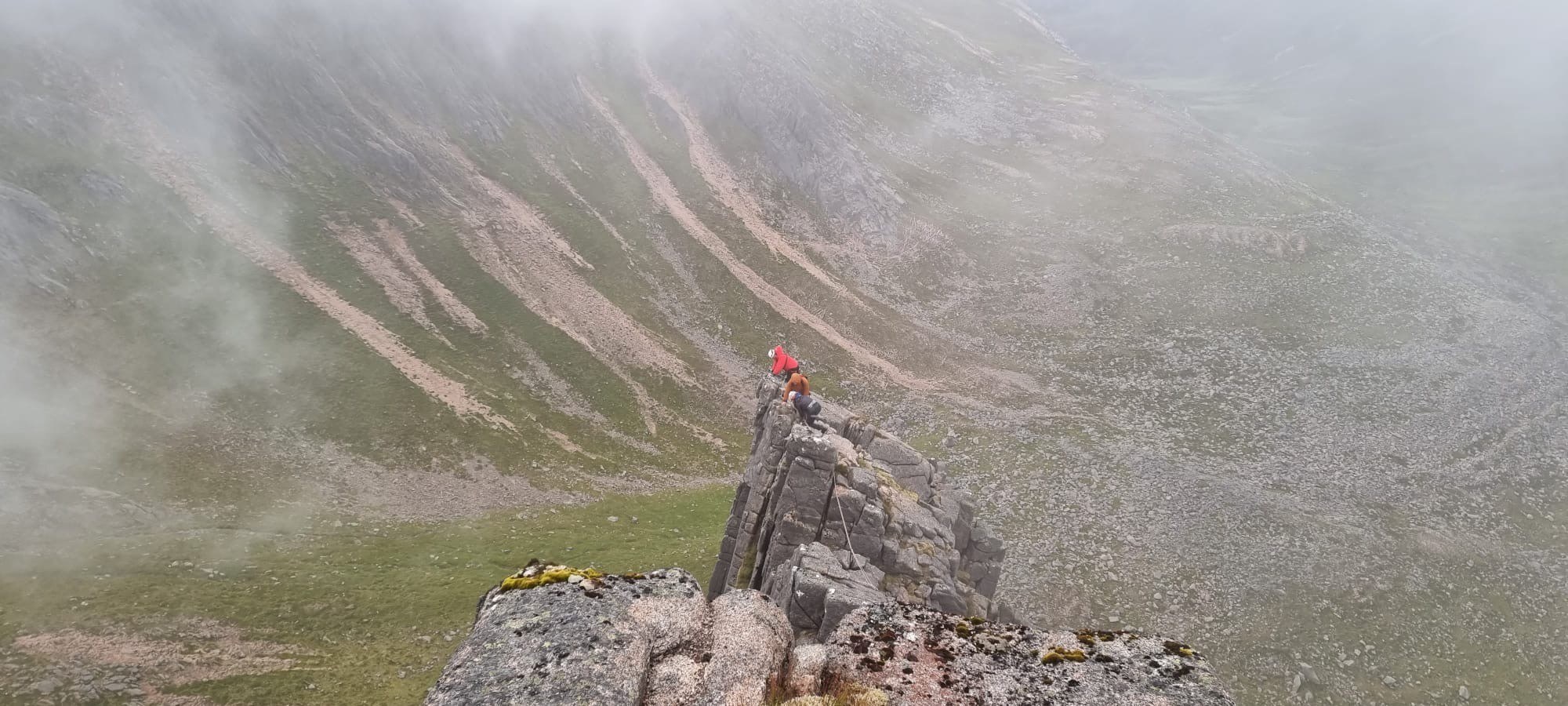
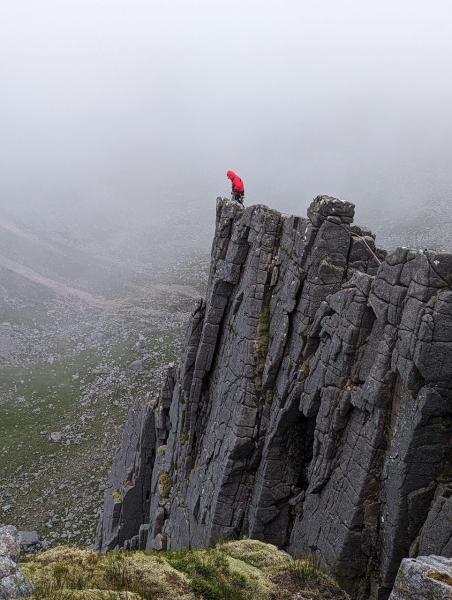
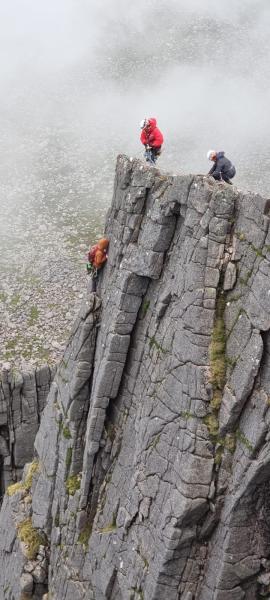
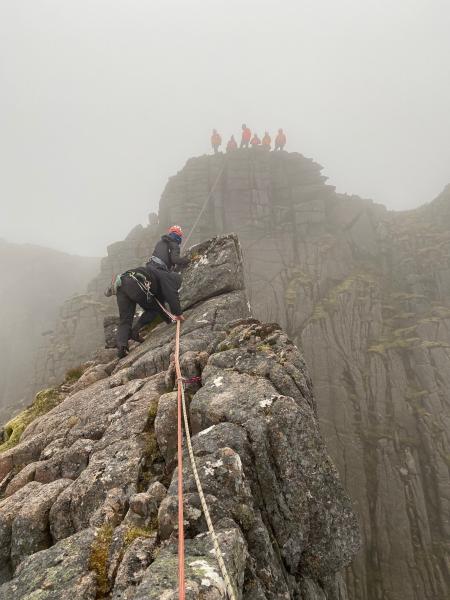
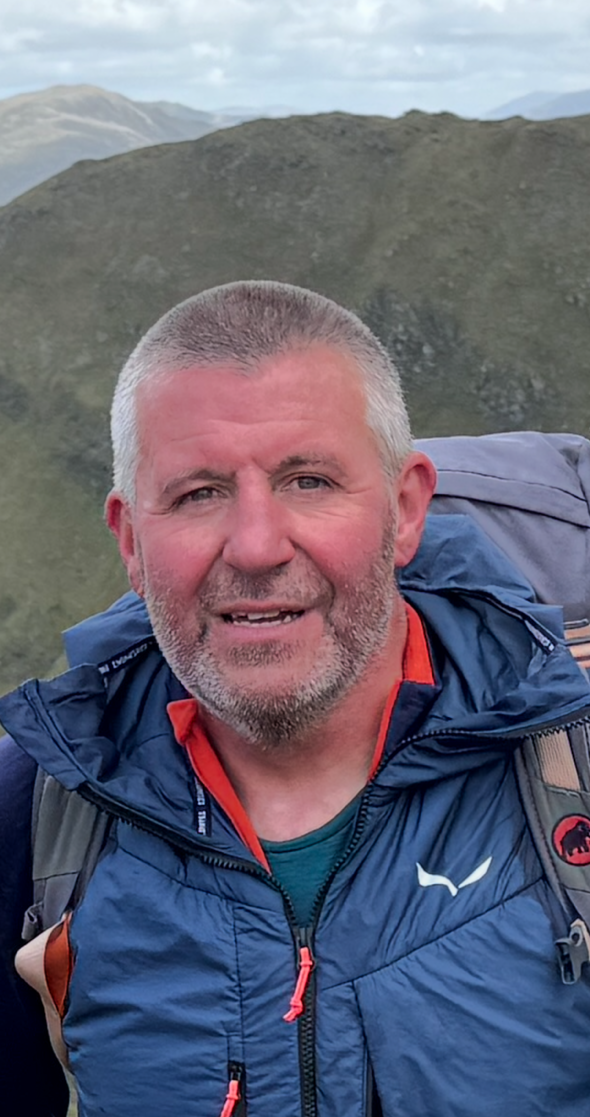
What drew me to it is quite different to what I get out of it now. When I used to see mountain rescue teams out on the hills, or coming in after a rescue, I always thought: ‘That looks cool’. But the team spirit, that’s what I really love. That togetherness. You have to rely on other people knowing what they’re doing, especially when we’re trying to defy gravity. When you’re hanging off a rope some place, that’s when you’ve got to be able to really trust the people around you. When you’re all working for a single purpose, that team spirit just kicks in. I’ve made some really good friends through the team.
Rapid response
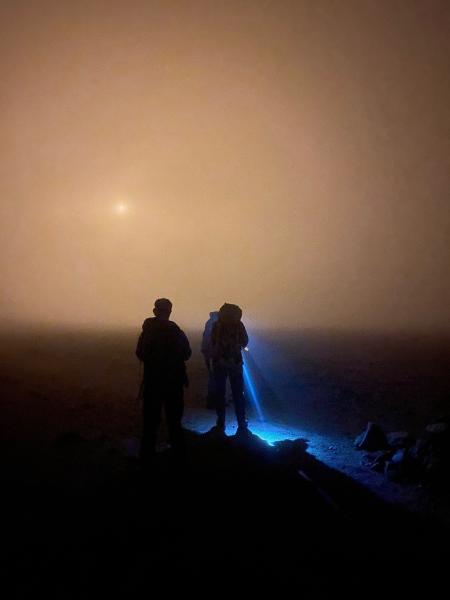
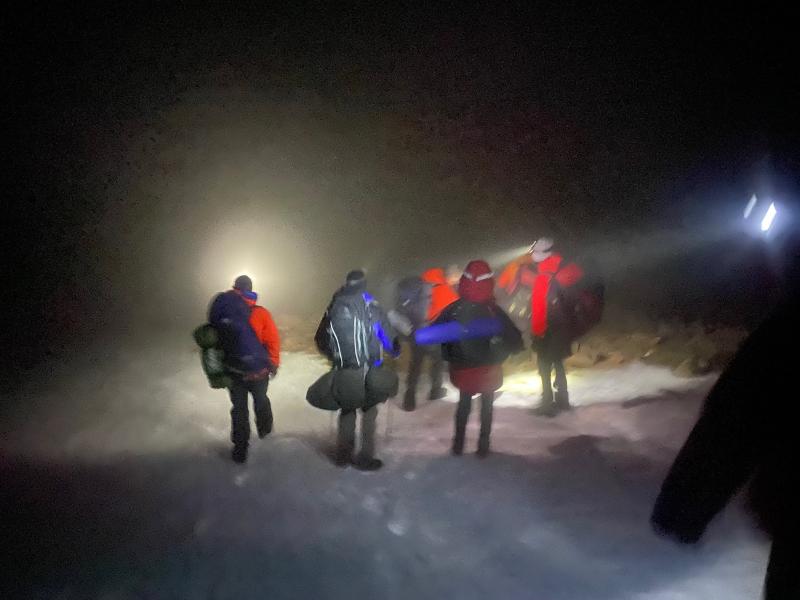
Rescues are all different, but we have to train and be prepared for all of it. If you’re an ambulance paramedic you get more practice because you’re doing it day in, day out. However, in a mountain rescue team you’re not doing it every day. You might have to respond to an incident that you were trained for last year. You might have to do it in the dark, in the rain or snow on top of a mountain.
For example, a few years ago I’d just arrived at my local pub to watch the Six Nations. Almost immediately a call came in, and I had to leave the pint I'd just ordered on the bar.
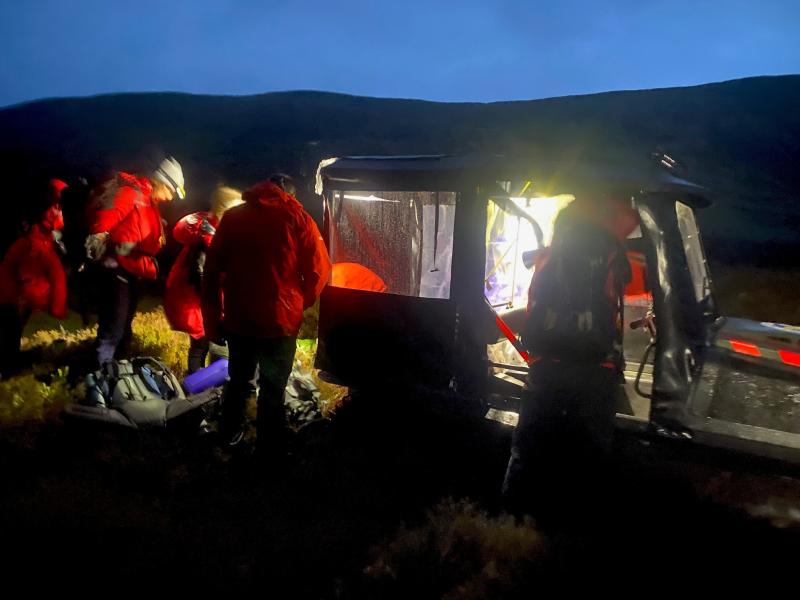
I went home, grabbed my bag and headed to the rescue centre, but I didn’t even make it that far. Pulling into helicopter landing site on the way to Braemar, I was still putting my kit on when the helicopter arrived. Within 10 minutes we were on top of Derry Cairngorm.
When you get out of the helicopter you sit under it to let it go and huddle. They lift off and you can start moving around and getting your kit sorted, then it’s just silence. I went from being in the pub to being on top of a mountain in just over an hour, heading to rescue these guys who were stuck on an icy slope. Thankfully we got them off the hill safely.
Working together with a single purpose
People aren’t always aware that we’re all volunteers and that mountain rescue relies on donations. Though we have some police members who volunteer as part of their job, most of us have other jobs. For example, in our team there’s some people who work in business, retired guys, outdoor instructors, teachers, estate workers and hospitality staff. The thing I like is that when you’re on a shout none of it matters. We’re all working together with a single purpose.
It’s nice because people are always relieved when we reach them and sometimes I think we take for granted the impact we have. I remember being lowered down the cliffs of Lochnagar in the middle of the night, and when I finally reached this young climber she looked at me and said: ‘I thought I was going to die’. She’d been there for about six hours and the relief when we reached her was so clear.
There was another time when we got a cheque for £20,000 that someone from England had left in their will and you think: ‘What the heck did we do in that person’s life to make them do that?’ You don’t always know the difference you’ve made but it’s these donations that mean we can keep doing what we do.
Living on the edge
We’re there to make the mountains safer but part of why you do it – like any emergency service – is that you enjoy that type of life. Doing something on the edge of your own comfort zone, that's a bit of a thrill.
At 61 I know my fitness will start to dictate how long I can remain operational in the team. I'll keep going as long as I feel I am not holding anyone in the team up and am still enjoying it. But as I get more experienced it is a privilege to welcome younger recruits and help train them so they can take over and enjoy a voluntary career within Scottish Mountain Rescue.
For more information on staying safe in the mountains, or to donate to Scottish Mountain Rescue, visit https://www.scottishmountainrescue.org
To donate directly to the Braemar Mountain Rescue team visit: https://www.braemarmountainrescue.org.uk
To support the Cairngorms Mountain Rescue team visit: https://cmrt.org.uk
To donate to Tayside Mountain Rescue visit: https://taysidemrt.org

More news and views
-
The King visits Lochan Uaine
-
Conference puts national spotlight on conservation in Cairngorms
-
LDP Evidence Report agreed by Scottish Government
-
Park Authority welcomes Ministerial Statement on wildfires
-
Communities shift up a gear with cycle hub funding awards
-
Pioneering £1 million fund opens for applications
-
Park Authority Planning Committee news
-
Wake-up call on wildfires.