Views sought on Park Authority’s Gaelic Language Plan
Views sought on Park Authority’s Gaelic Language Plan
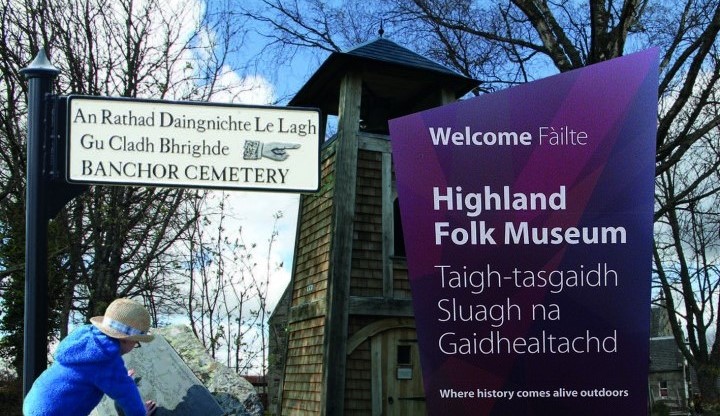
The Cairngorms National Park has a rich cultural heritage of which Gaelic is an integral part – it having been the dominant language at one time and still very visible today in the place names we see in the National Park. Now the Cairngorms National Park Authority wants your views on how the organisation should use Gaelic in its day-to-day work and encourage Gaelic’s development across the National Park.
As the public body responsible for coordinating activity within the UK’s largest national park, the Park Authority is committed to ensuring that the unique cultural and linguistic value of Gaelic to the Cairngorms National Park is fully recognised and celebrated. All public sector bodies in Scotland are required to prepare a Gaelic Language Plan and this draft sets out how everyone can play their part in creating a sustainable future for Gaelic in the National Park.
The third edition of the Park Authority’s Gaelic Language Plan is now out for consultation and members of the public or interested bodies are asked to view the document and make comments. The Gaelic Language Plan sets out how the Park Authority will increase the use of Gaelic, increase the learning of Gaelic and promote a positive image of Gaelic across the Cairngorms National Park. In addition, it also sets out how the language will form a key part of the organisation’s everyday work, from communicating with members of the public to online activities, education projects and staff training.
Convener of the Park Authority Board, Sandy Bremner said: “The Cairngorms is an area that is rightly proud of its cultural and linguistic diversity. Gaelic is of particular significance, especially when we consider how the language resonates throughout the area, for example through the names of the hills we like to climb, the rivers we like to fish or the names of the villages we live in.
“As an organisation, we are happy to play our part in ensuring a vibrant future for the Gaelic language. It is very important to the National Park, historically and culturally – and to the people who live and visit – so please take the opportunity to share your feedback with us.”
A six-week public consultation on the Park Authority’s Gaelic Language Plan starts this week and runs to the end of February. The Park Authority are keen to hear from as broad a cross-section of the public as possible to ensure the plan truly reflects the priorities of the people who love and care about the Cairngorms National Park. For this reason, copies of the draft plan are available in alternative format (including large print), and people are able to respond via phone or post if they would prefer. The document can be viewed and commented on via the Park Authority’s website Gaelic / Gàidhlig – Cairngorms National Park Authority.
It can also be viewed in the Park Authority’s offices in Grantown-on-Spey. The consultation runs from 25 January to end of February.
Latest from the National Park
Come and meet us!
The Park Authority team will be out and about at events this autumn and winter
Draft Partnership Plan consultation goes live
People living and working in or visiting the National Park asked for feedback on the next Partnership Plan.
Time well spent as we stop to blether about farm realities
The latest column from our Agricultural Adviser - first published in the Press and Journal