
Saving Wildcats
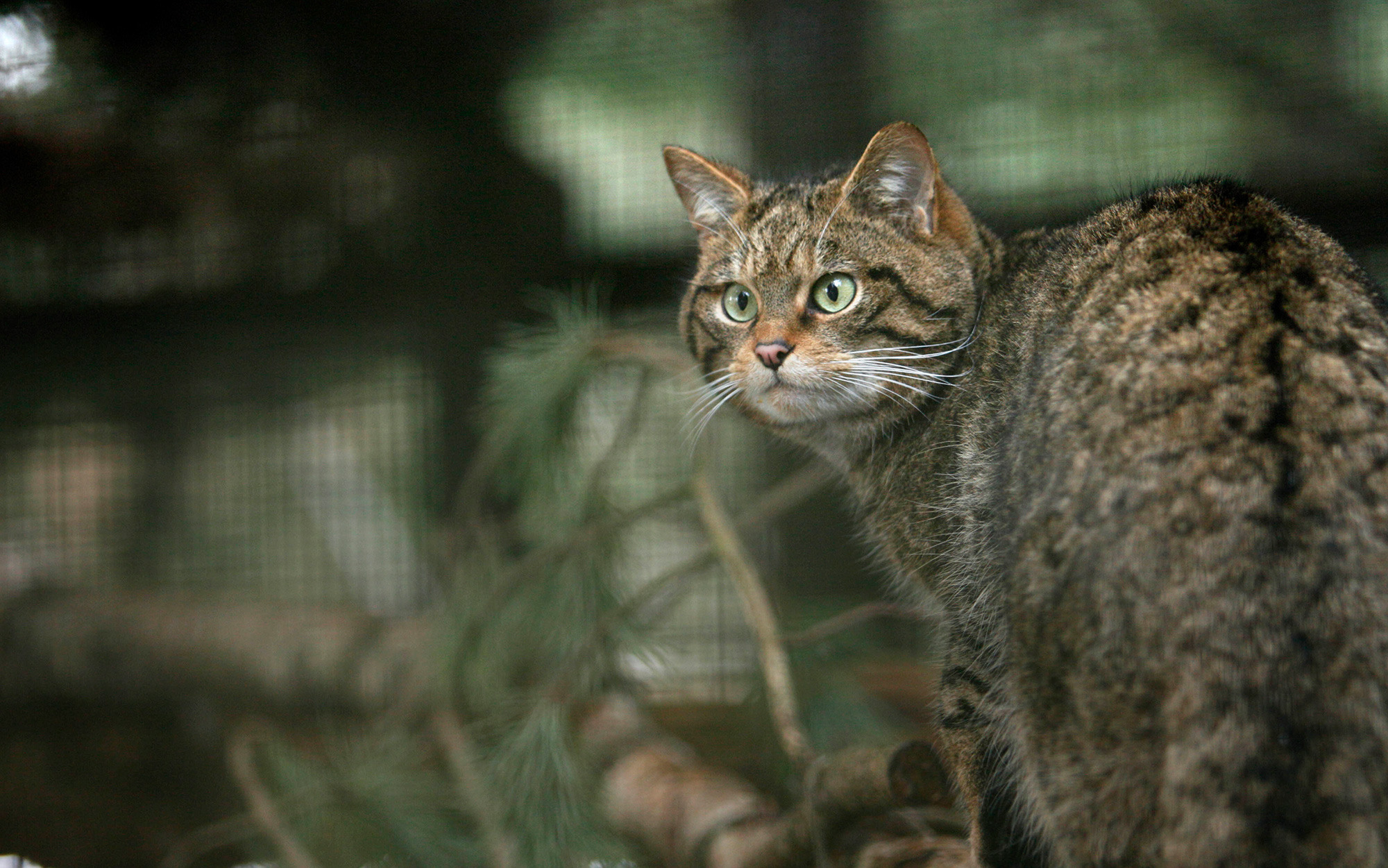
Saving Wildcats is a European partnership project dedicated to Scottish wildcat conservation and recovery. The project runs Britain’s first large-scale dedicated conservation breeding for release centre in the Cairngorms National Park.
Once found throughout mainland Britain, this shy and elusive creature was subject to persecution and overhunting. They have been further threatened, almost to extinction, by interbreeding with feral domestic cats. The project aims to prevent the extinction of wildcats in Scotland by breeding and releasing them into the wild, while working to reduce the threats they face.
In 2019, a report published by the International Union for Conservation of Nature’s Cat Specialist Group concluded the Scottish wildcat population in Scotland was functionally extinct and hybridisation with domestic cats was considered one of the major threats to their survival.
Building on the work of the Scottish Wildcat Action partnership, the Saving Wildcats project began, building the UK’s first conservation breeding for release centre for wildcats in a quiet, restricted area at the Royal Zoological Society of Scotland’s Highland Wildlife Park.
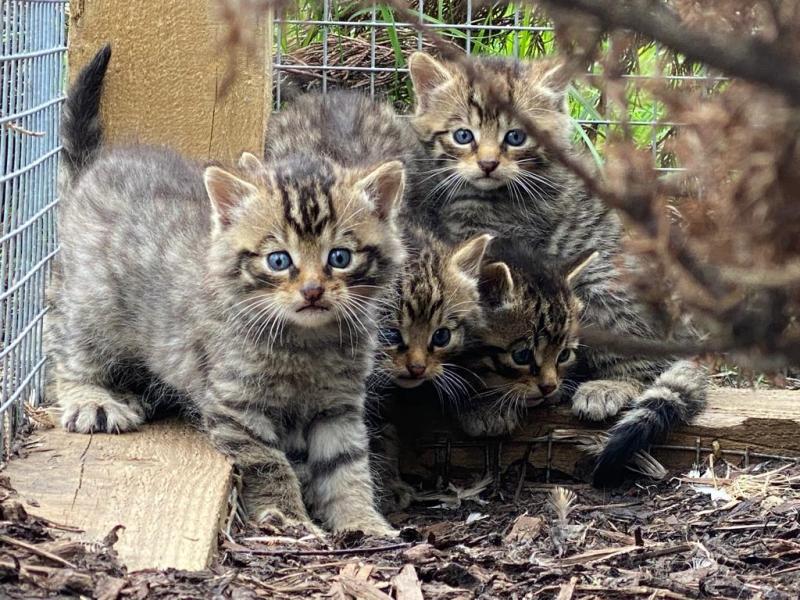
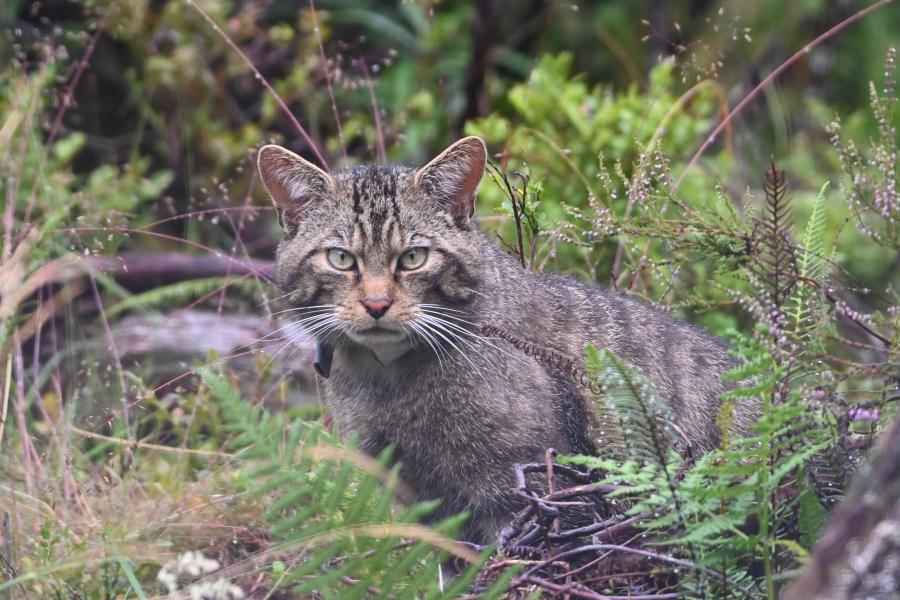
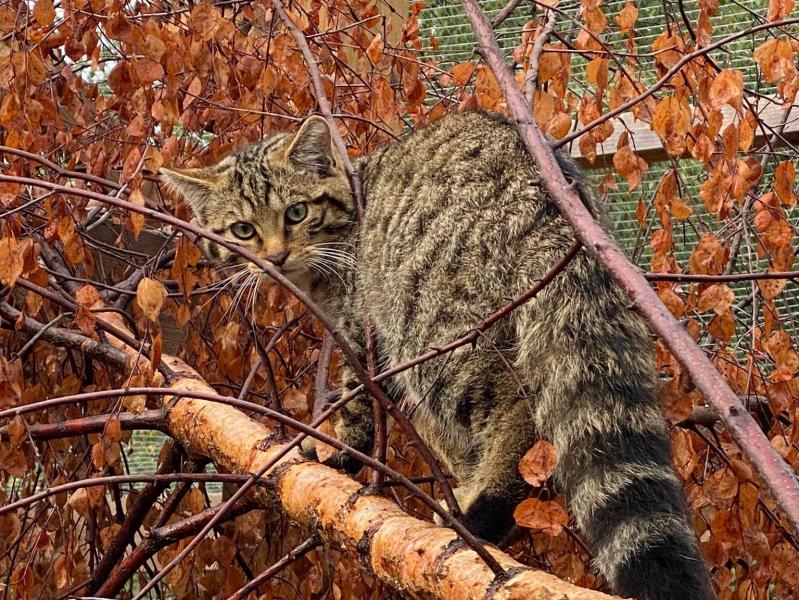
Following a period of extensive stakeholder engagement and ecological monitoring to assess release site suitability, NatureScot granted a translocation license March 2023. That summer, the partnership began releasing wildcats into the Cairngorms Connect landscape - a partnership of neighbouring land managers, committed to a bold and ambitious 200-year vision to enhance habitats, species and ecological processes across a vast area within the Cairngorms National Park.
Since 2023 the partnership has continued to release adult wildcats and has seen several litters of kittens successfully born in the wild. Work also takes place to mitigate the threats facing wildcats, encouraging responsible cat ownership and conducting a trap, neuter, vaccinate and return programme for feral domestic cats to reduce the threat of hybridisation from interbreeding.
A fundamental part of Saving Wildcats is working in close collaboration with landowners, farmers, foresters, gamekeepers and community members to ensure a fair coexistence between wildcats and people which benefits the communities living alongside them.
The project also works with local residents directly affected by predation of backyard poultry by released wildcats, providing advice on how to better protect their poultry from potential predation, and offering financial support towards the construction and upgrading of coops or runs that have been affected.
Saving Wildcats is as much about people as it is about wildcats, and the project also offers educational sessions to local learners and the team regularly attends local events to listen to the public’s views on wildcats to inform project decisions moving forwards. The project is also working to boost local economies through wildlife tourism and supports longer term employment in the Cairngorms National Park.
2009 - The Cairngorms Wildcat Protect, led by the Cairngorms National Park Authority, was launched to trial conservation action in an area in the Cairngorms National Park where cats with the distinctive wildcat markings have been sighted.
2013 - Findings from the Cairngorms Wildcat project were used to develop a Scottish Wildcat Conservation Action Plan, consisting of national strategy to support wildcat recovery, outlining specific actions deemed necessary to halt the decline of wildcats in Scotland.
2015 - Following this plan, the Scottish Wildcat Action partnership, led by NatureScot, launched with four project officers working in six priority areas across Scotland. Conservation activities focus on wildcat camera trapping research, data collection, threat reduction, education and conservation breeding.
2019 - A report published by the International Union for Conservation of Nature’s Cat Specialist Group concluded there was no longer a viable wildcat population living wild in Scotland, with hybridisation with domestic cats considered one of the major threats to their survival. This meant the extinction of the species would have been highly likely without a strategic breeding for release programme.
2020 - Building on the work of the Scottish Wildcat Action partnership, Saving Wildcats (#SWAforLIFE) launched, led by the Royal Zoological Society of Scotland and predominantly funded by the EU LIFE programme.
2021 - The UK’s first dedicated conservation breeding for release centre for wildcats was built at the Royal Zoological Society for Scotland’s Highland Wildlife Park, in a restricted location away from members of the public.
2022 - 22 kittens were born in the centre. At the age of six to eight months, they were moved into bespoke pre-release enclosures in the conservation breeding for release centre to prepare for the challenges of life in the wild.
2023 - A translocation license application was approved by NatureScot in March. 19 wildcats were released that summer into the Cairngorms Connect landscape of the Cairngorms National Park, each fitted with a GPS-radio collar prior to release for monitoring purposes. A further 13 kittens were born in the centre that year.
2024 - The confirmed birth of wild-born kittens within the release area, marked a significant milestone in the project’s efforts to restore the Scottish wildcat population. A further nine wildcats were released into the wild and 16 more kittens were born in the centre.
2025 - 18 more wildcats were released, bringing the total number to 46. More wild births were confirmed. Clinging By A Claw, a film about the return of Scotland’s wildcats to the Cairngorms National Park, premieres across Scotland. Members of the public can request to watch the film in their own homes.
2026 - The EU LIFE funded phase of the project will end in October, with a second phase planned from November 2026.
More information
To find out more about the project, visit www.savingwildcats.org.uk
-

Date
2020 - 2026
-

Location
National Park-wide
-

Partnership plan objectives
-

Partners