From Germany to the Cairngorms - in conversation with ranger Susanne Koschel
How did your trip to the National Park come about?
It all began at the European Ranger Congress in Romania last October, where nearly 270 rangers from across Europe came together to network and exchange knowledge.
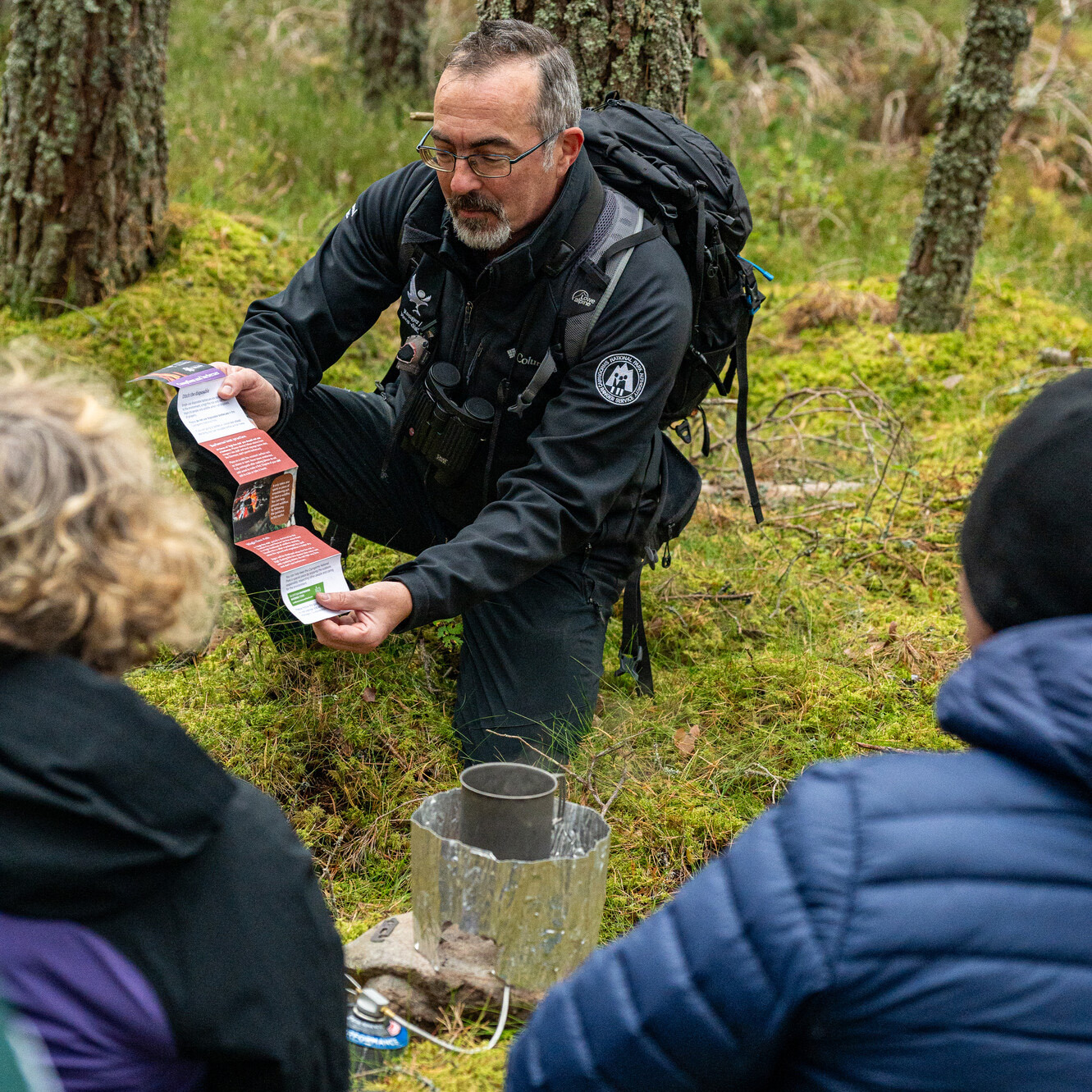
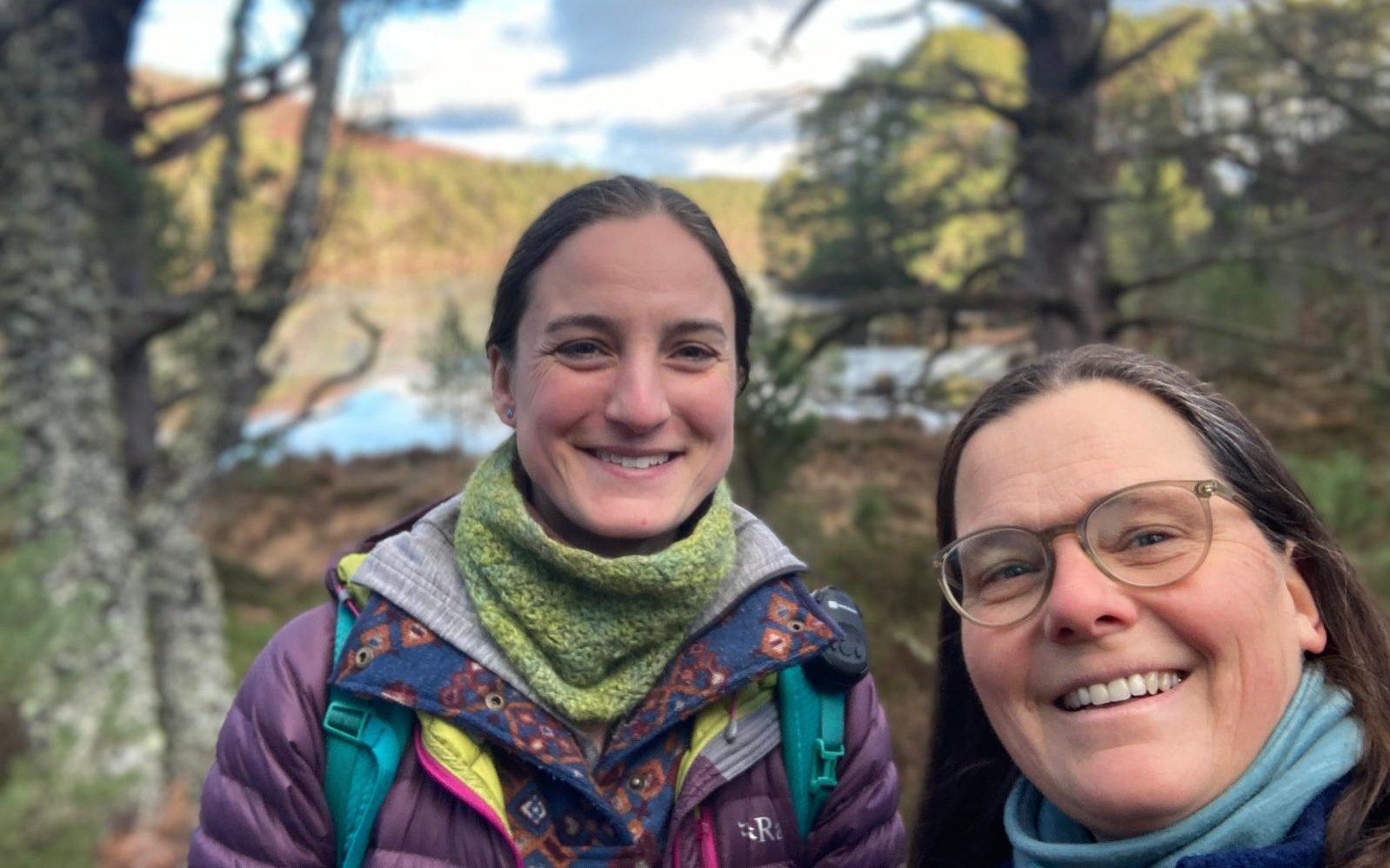
There, I met Emily Alsford, a ranger from the Cairngorms National Park, who invited me to visit Scotland and see the work of the Park Authority first-hand. Thanks to her commitment and support, I was able to observe the work of different team members, share perspectives and make valuable connections.

What were your impressions of the nature and wildlife here?
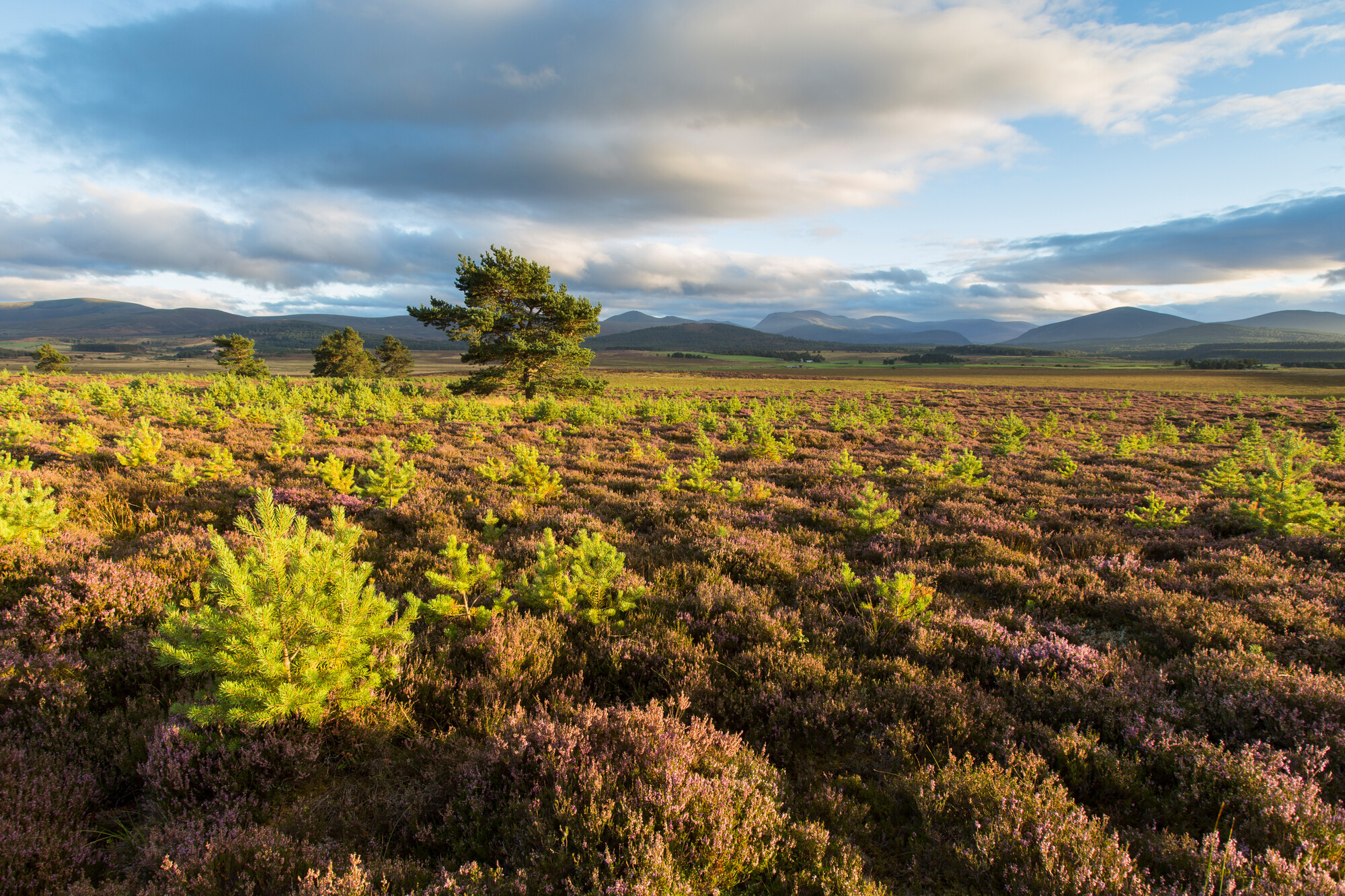
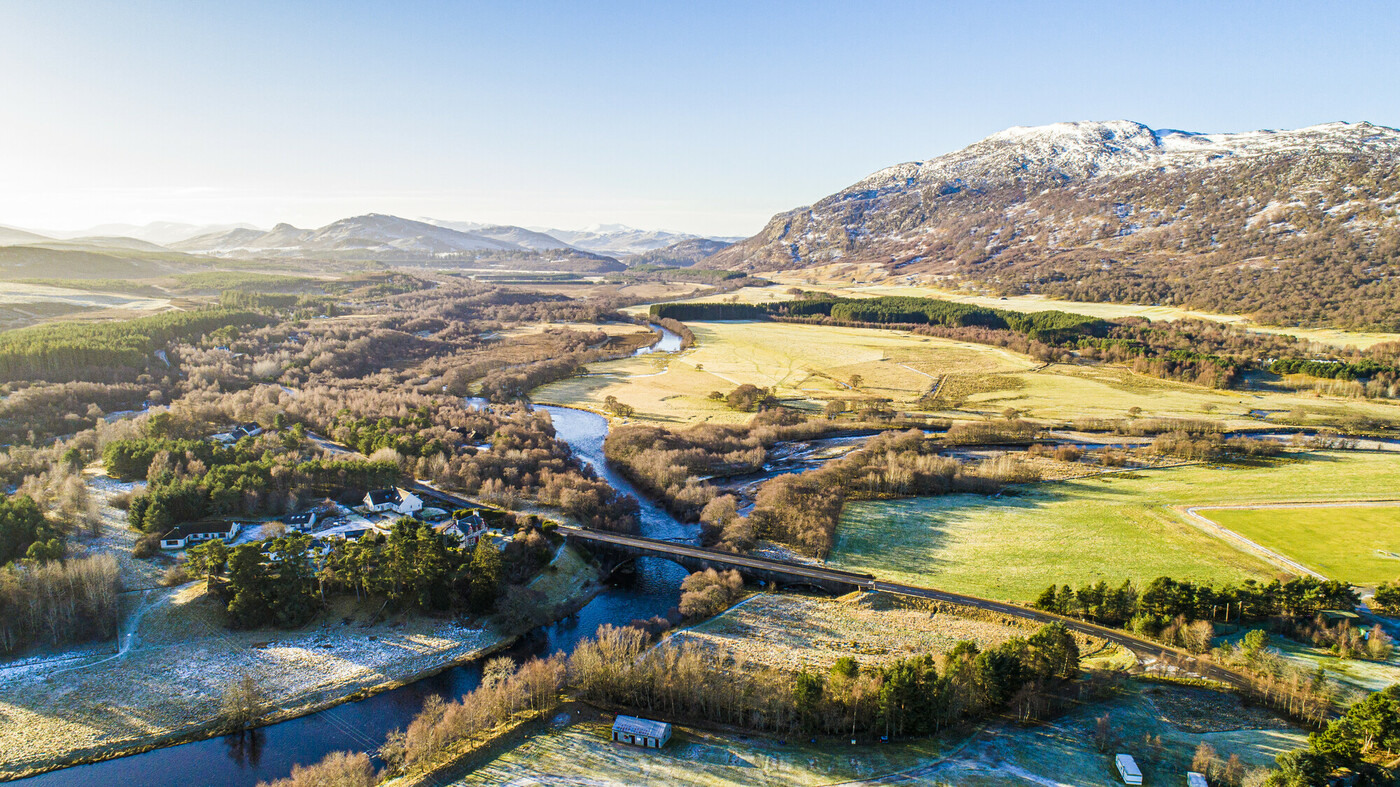
I was taken aback by the beauty of the National Park. What struck me most during my stay was how diverse the scenery is, with water landscapes varying from glen to glen. There are lochs, burns, rivers, peatland and waterfalls, with the rugged coastline only an hour’s drive away. The weather changes quickly too, from fog, to snow, to rain.
It was also touching to see the ancient woodland in the mountains which provides important habitats, and I found myself stopping over and over again to take in the majestic trees.
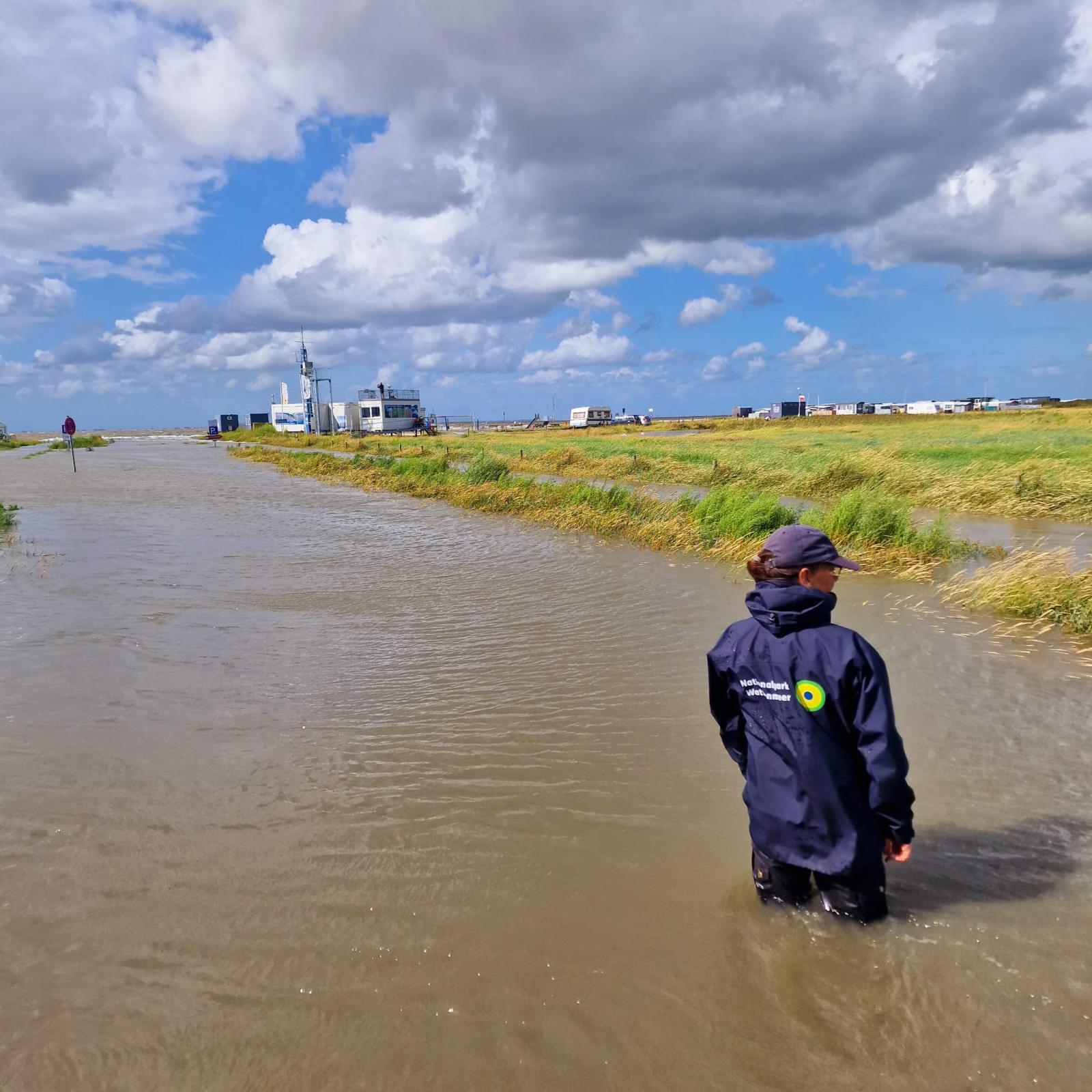
The national park I work in is so different, because it is known for its flat coastal wetland.
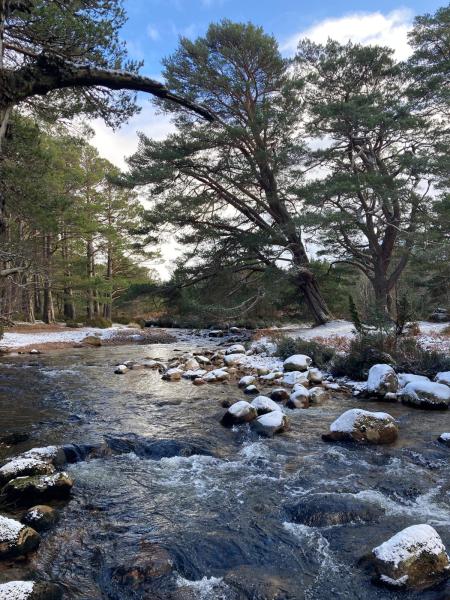
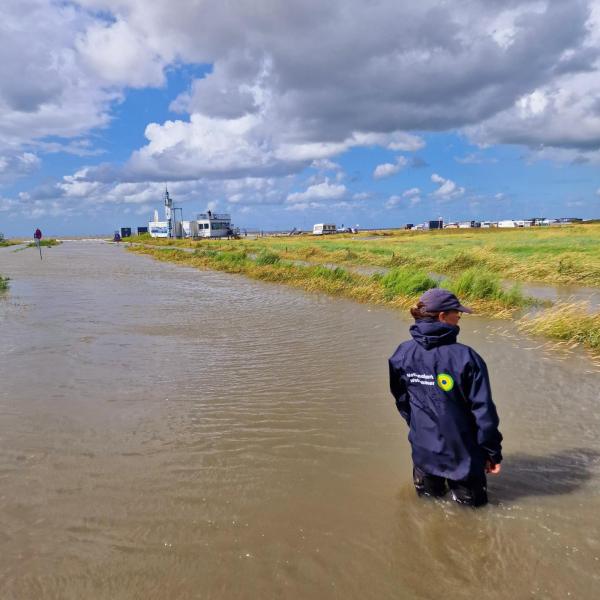
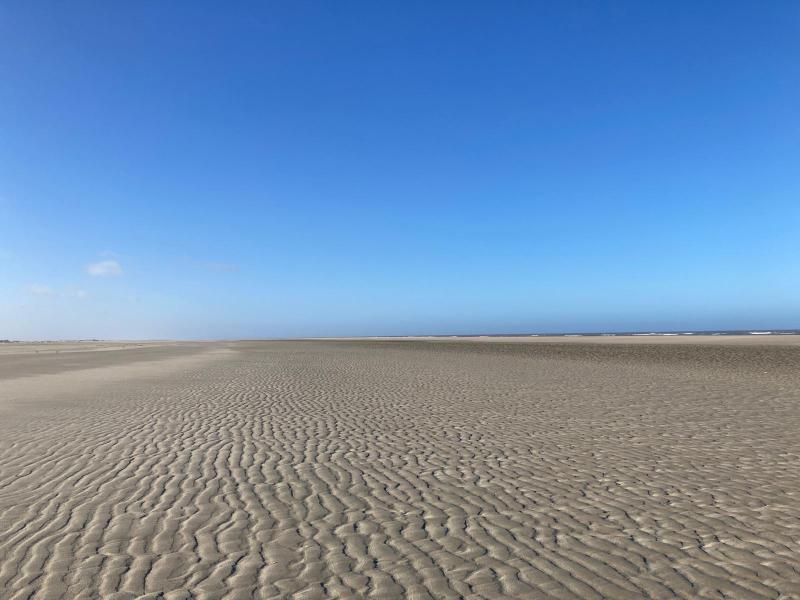
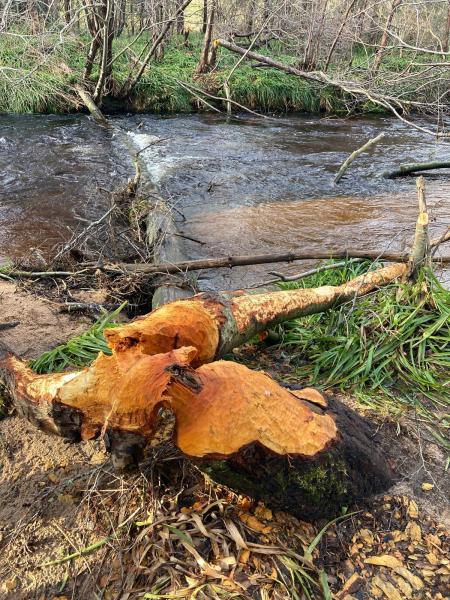
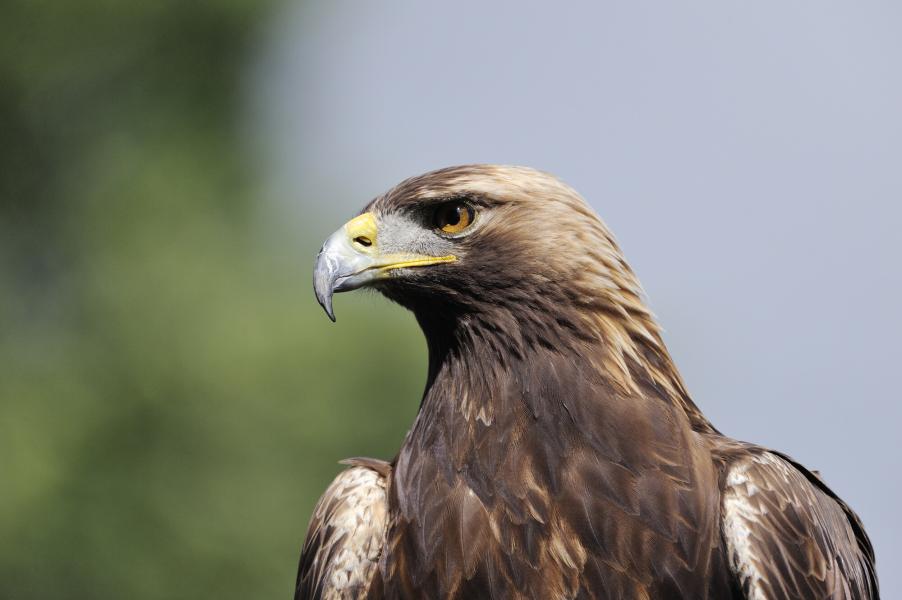
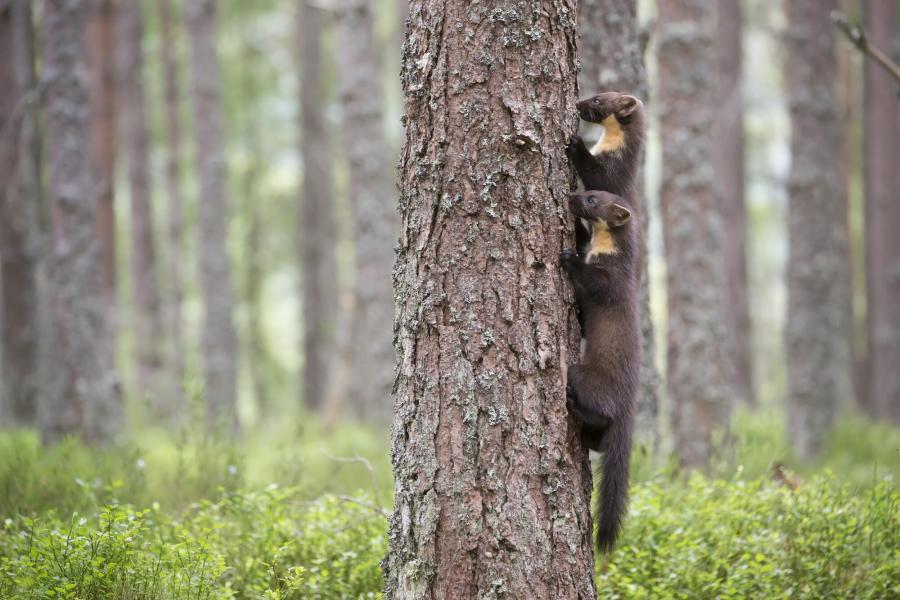
During my stay, I was lucky enough to have lots of encounters with wildlife. I saw golden eagles, otters, pine martens, crested tits and lots of signs of beavers.
Has this visit helped you gain an insight into the work of the Park Authority?
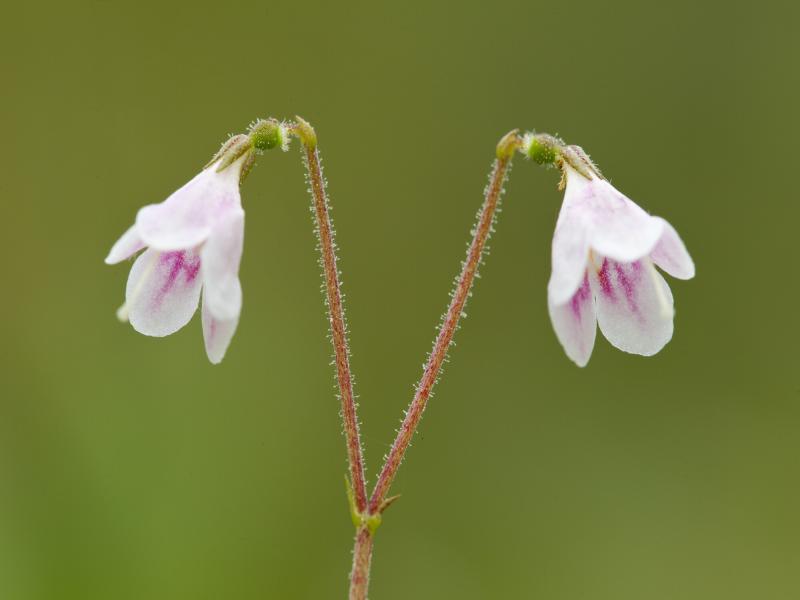
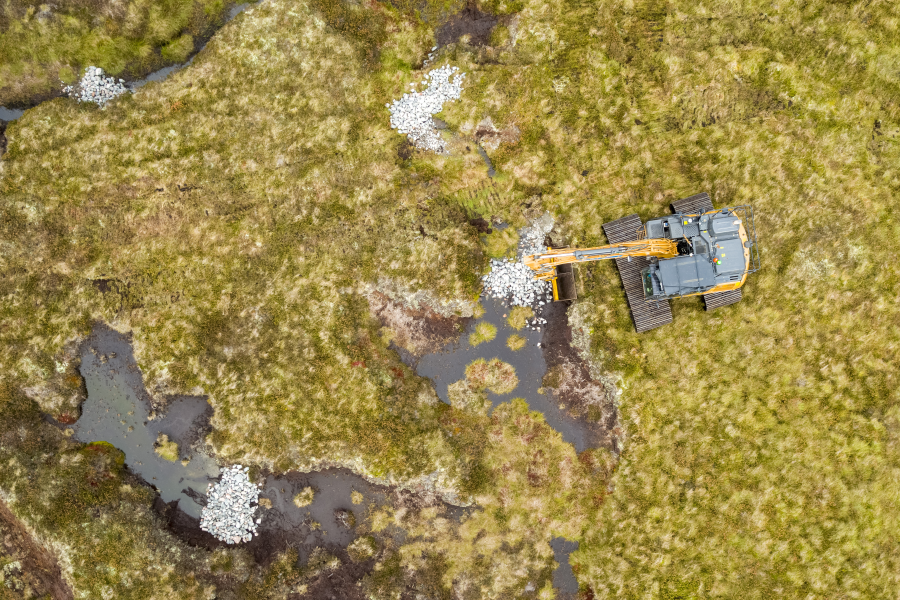
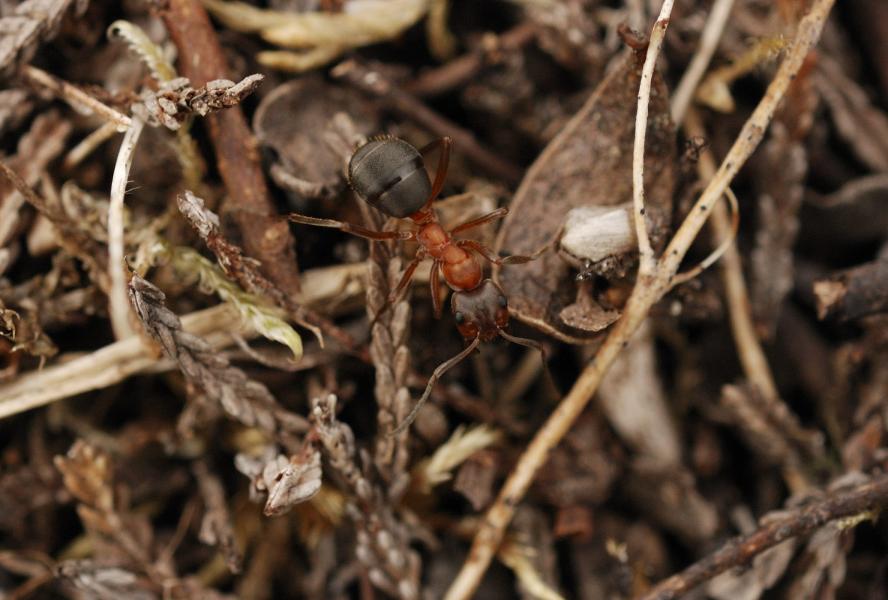
Absolutely, I learned about a wide variety of work going on across the National Park, including the reintroduction of beavers into the landscape, peatland and forest restoration, and the protection of smaller, often overlooked species like forest ants and twinflower.
It was fascinating to witness conservation efforts in a different environment and to see how actively the team is working towards a more resilient, living landscape.
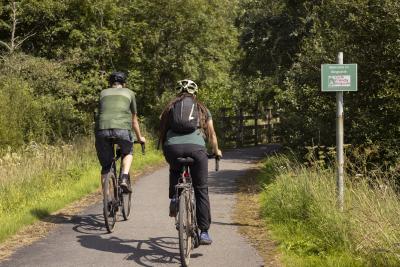
I also spent time with the access team, who carefully evaluate visitor management strategies to balance public access with conservation.
I was overwhelmed by the openness, friendliness and dedication of the people I got to spend time with.
All of these efforts go beyond just protecting the environment - it is also about strengthening the connection between people and nature, one of the main responsibilities of a ranger.
Did you notice differences between conservation work here and in Germany?
It took a bit of time to understand how things are structured at the Park Authority, as many different public and private bodies are involved in nature management. That’s very different from what I’m used to, so it was interesting to see how it works in practice.
The Scottish Outdoor Access Code particularly fascinated me, because it is based on trust - something we definitely need more of.
What is your main takeaway from this experience?
For me, the biggest takeaway is how connected the conservation community is across Europe. The ranger network goes beyond professional links – it feels like a family, and I am filled with gratitude that I have had this opportunity to make new connections.
Even though the parks and landscapes we work in might look very different, we are all linked by a common mission: protecting and restoring nature.
More news and views
-
Time well spent as we stop to blether about farm realities
-
Go ahead for Slugain Burn project
-
Restoring high altitude peatlands
-
The King visits Lochan Uaine
-
Conference puts national spotlight on conservation in Cairngorms
-
LDP Evidence Report agreed by Scottish Government
-
Park Authority welcomes Ministerial Statement on wildfires
-
Communities shift up a gear with cycle hub funding awards