
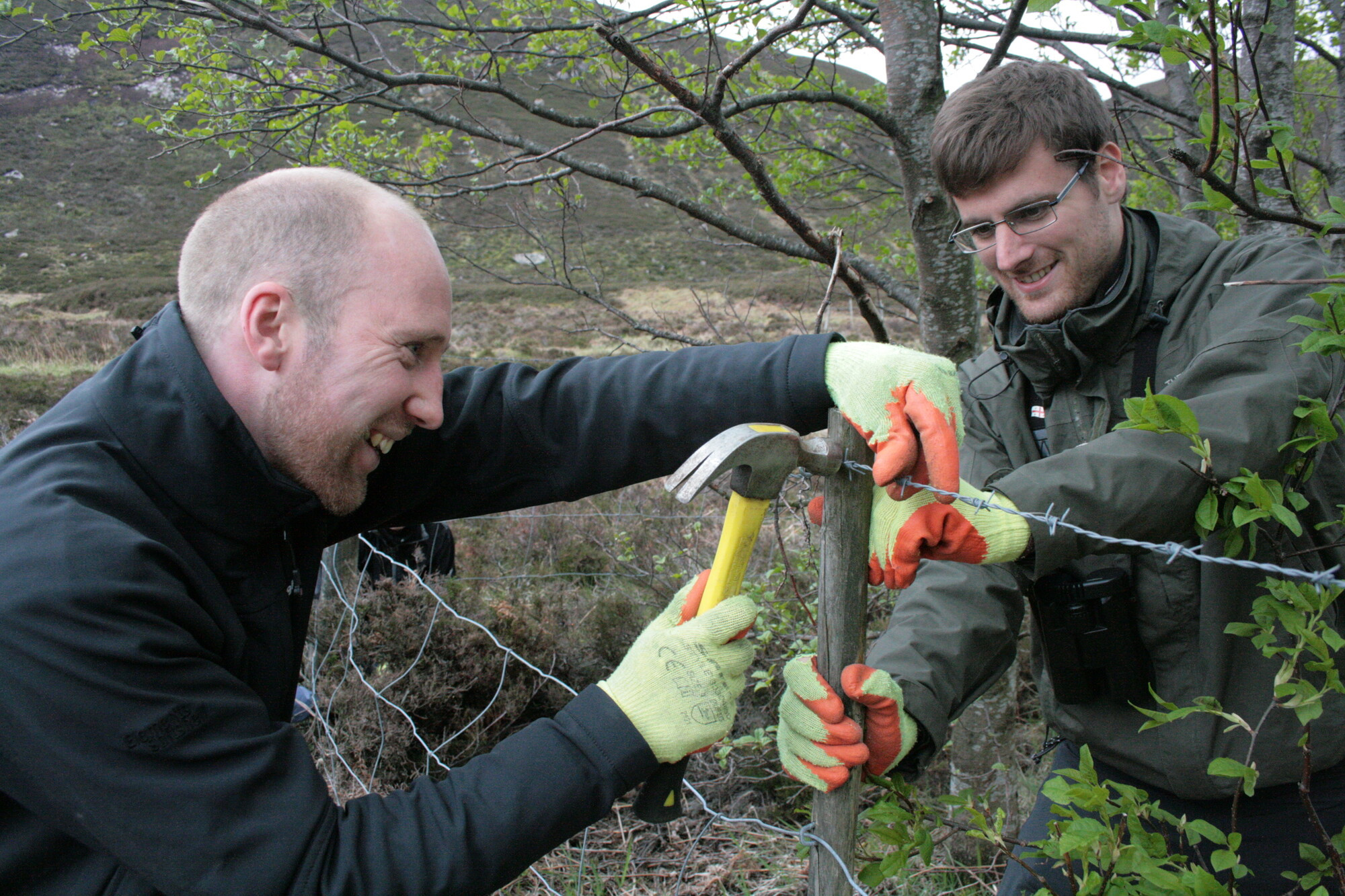
Spring in the National Park
Spring lambs
Lambs are always one of the most charming signs of spring, and seeing them bounce around the fields and farms always brings a smile. For farmers and crofters it's a busy time of year as they put in long shifts ensuring the safe arrival of new animals.
 Steve Campbell
Flowers
As temperatures rise and days grow longer, the countryside bursts into colour with blossom on trees and emerging flowers like snowdrops, dandelions and bluebells. These not only brighten the landscape but also attract bees, butterflies, and other pollinators, bringing even more life to the season.
Adam Alexander
Peacock butterflies
These colourful butterflies are usually one of the earliest to appear in spring. After fuelling up on nectar from flowers such has dandelions they will search for nettles, the foodplant of their caterpillars, to mate and lay eggs. By delaying mowing lawns through No Mow May, we can help these beautiful butterflies to thrive.
Louise Took
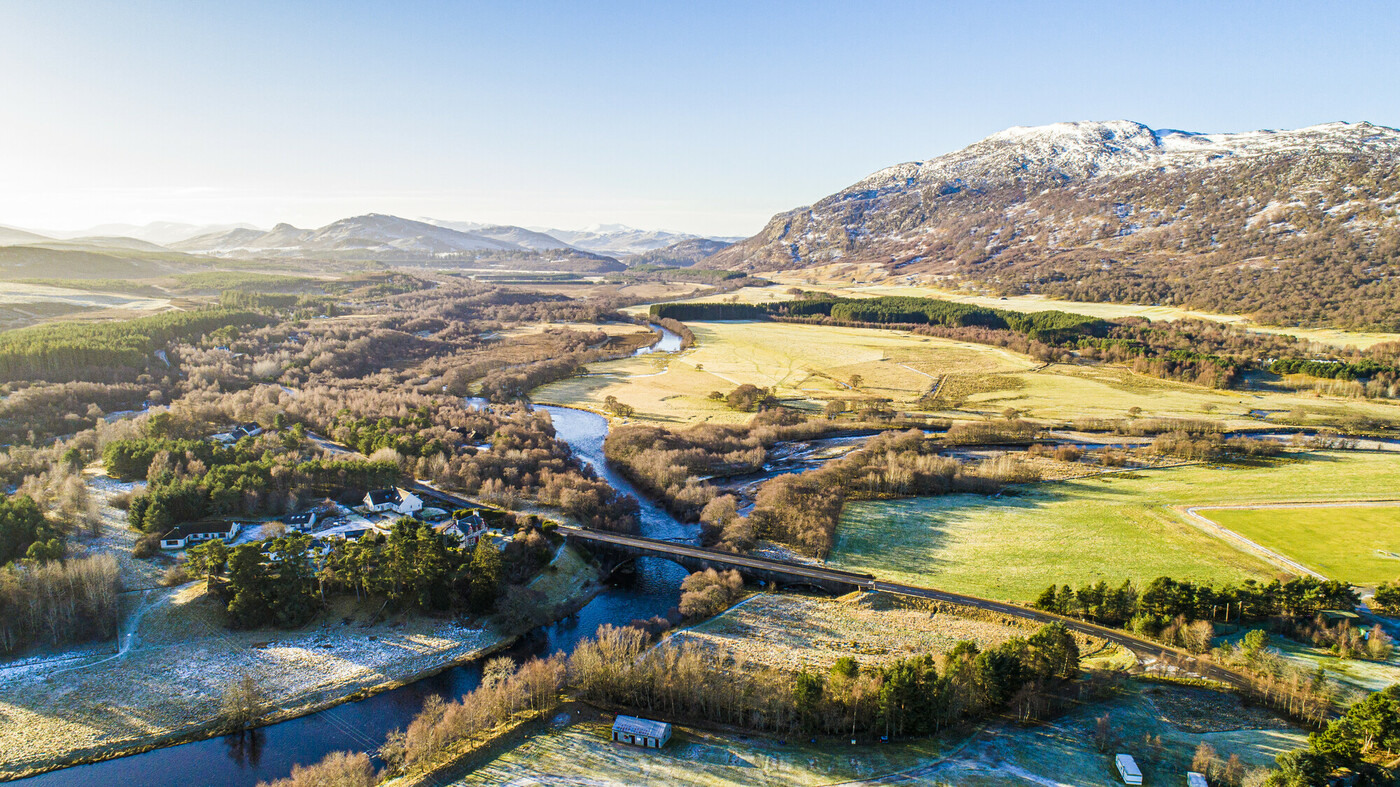
Late snow
Known as the lambing storms, it's not uncommon for late blasts of cold weather to bring snow to the hills and valleys. This can be challenging for new-born animals across the National Park, but is also a timely reminder to pack for all four seasons when out and about in the Cairngorms!
VisitScotland / Kenny Lam
Timberman beetle
One of the most impressive beetle species - we're a UK hotspot for the Timberman beetle, who's antennae stretch up to 6 centimetres long in males. The adults emerge as early as March and lay their eggs on trunks of dead Scots pine where the larvae excavate galleries under the bark, taking up to 2 years to mature. Spring is a great time to keep an eye out for interesting insects in the National Park!
Longer days
Winters in Scotland feel (and are!) long. The lighter evenings of April and May provide welcome relief, giving more opportunities for socialising, exercising and generally enjoying being in this incredible place.
Liam Anderstrem
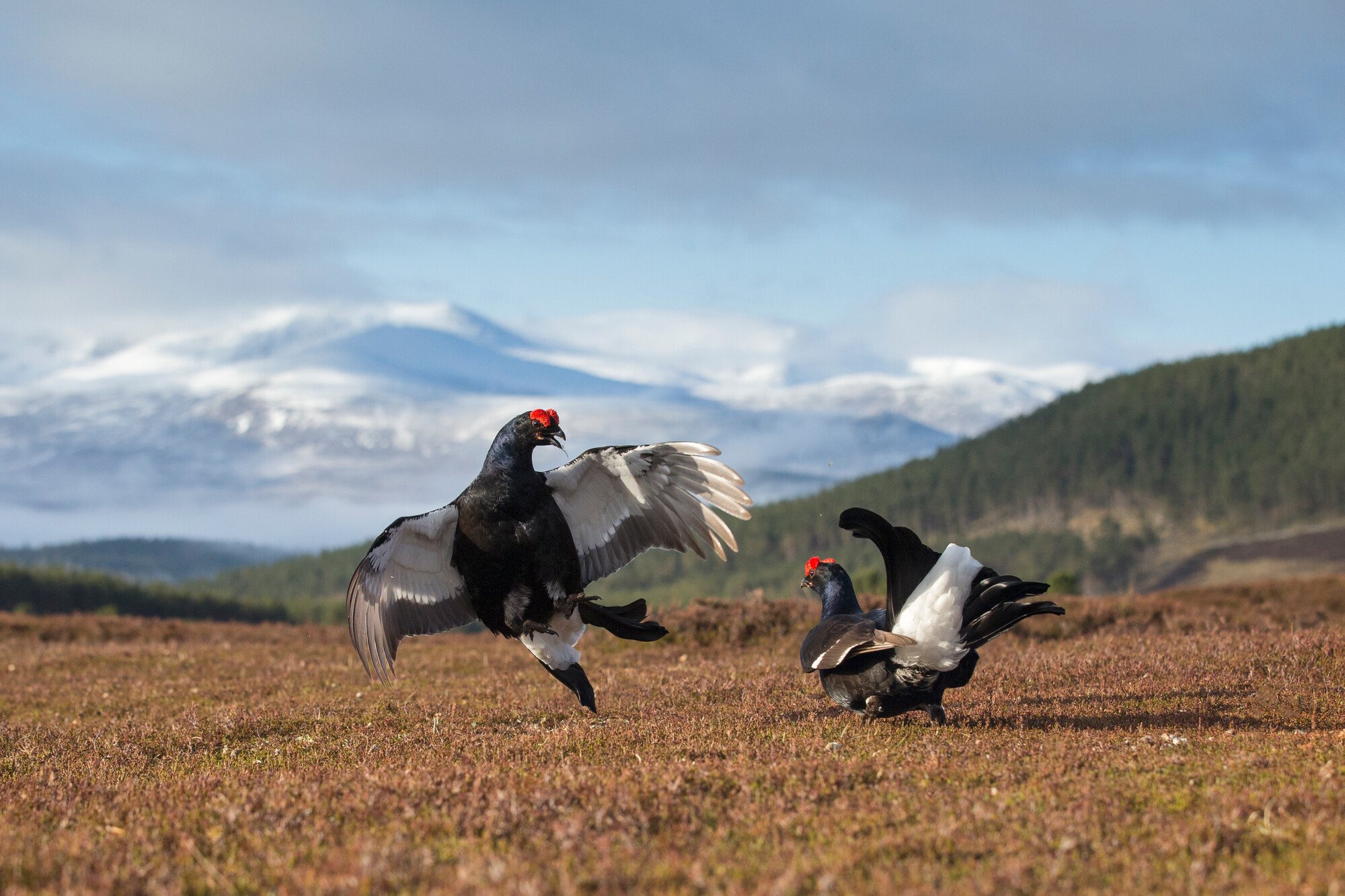
Ground nesting birds
Some rare birds build their nests on the ground in different habitats in the National Park. Mostly you won't even know they are there as the chicks are masters of camouflage, but you might hear their parent making noises and flying round in the hope of distracting you. These species need our help to survive, and you can help by avoiding areas where they breed and walking four legged friends on a lead, or at heel, during the breeding season.
Mark Ranner


More news and views
-
Hope for Cairngorms capercaillie recovery as lek counts rise
-
Formal consultation opens on amended Core Paths Plan
-
Cairngorms 2030 drop-in event for Laggan and Dalwhinnie communities
-
Paving the way to better transport
-
Prescribing nature: Dr Mary Cauldbeck on green health
-
From Germany to the Cairngorms - in conversation with ranger Susanne Koschel

-
From ambition to reality - the Cairngorms 2030 Communities Fund
-
“Warts and all”