The right nibbler in the right place
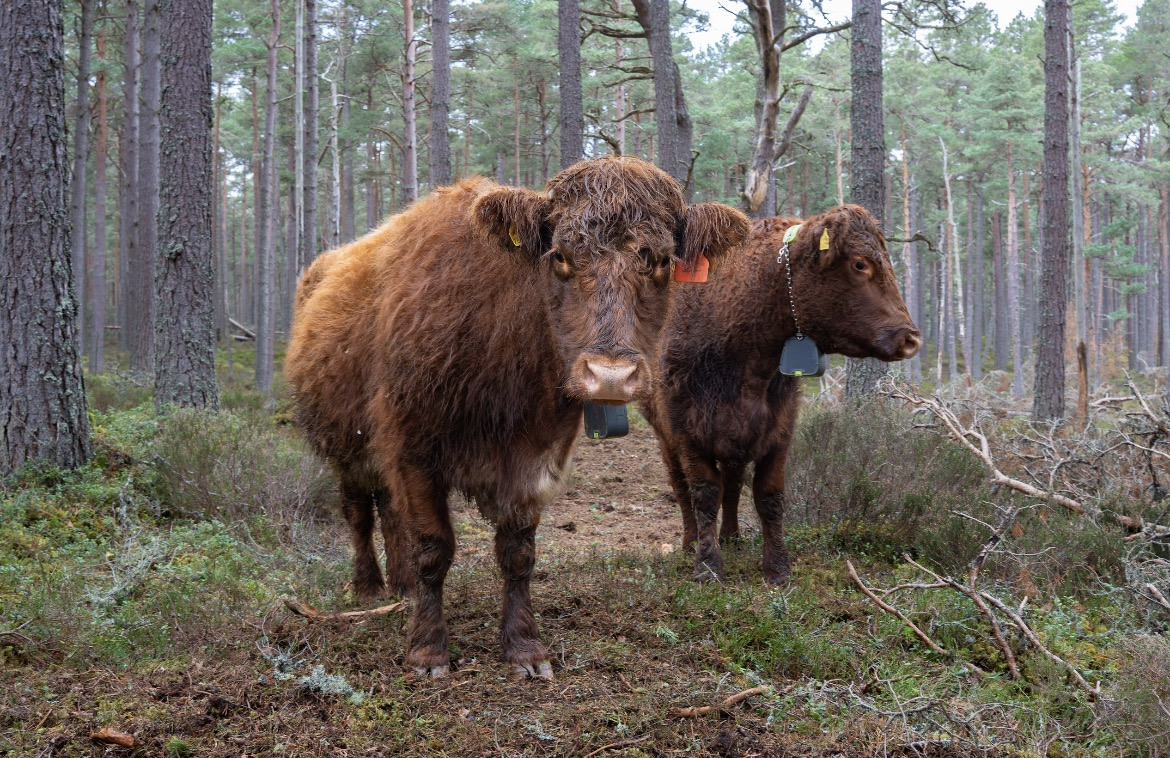
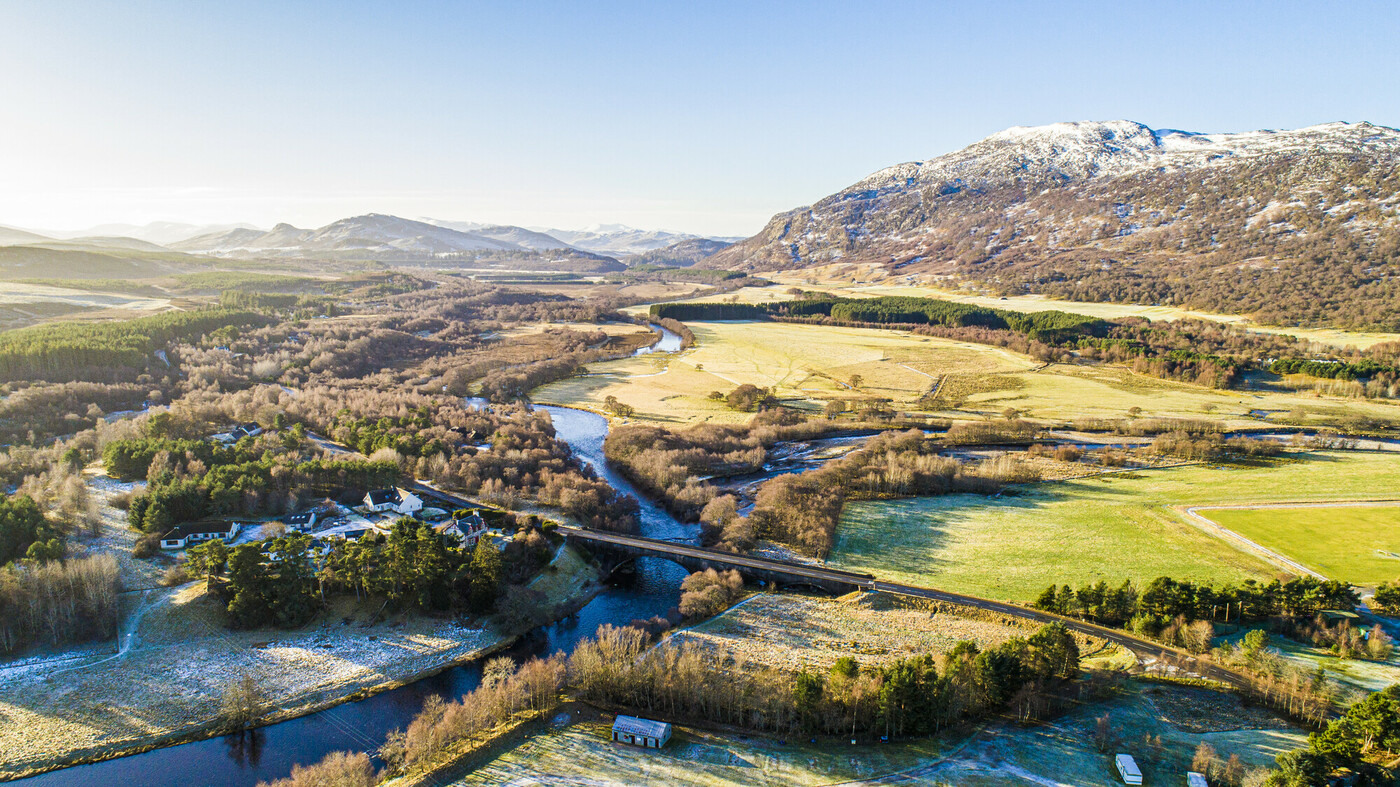
As part of the Capercaillie Emergency Plan, over 250 cattle are grazing in woodlands across Speyside and Deeside, including Anagach Woods in Grantown on Spey (pictured), helping improve more than 6,000 hectares. They're returning to places where cattle grazing among the trees was once a familiar sight.
But aren't deer already doing that job?
Not quite.
Deer have an important role in our woodlands, but they're more like careful gardeners, picking out the plants and tender shoots they prefer. This selective nibbling helps shape the woodland, although repeated browsing can stop young trees, shrubs and other plants from thriving.
Cattle graze differently. Less selective than deer, they eat larger quantities of grasses and rough vegetation. From shaggy Highlanders to Luings and Galloways, these traditional breeds now being used in capercaillie woodlands are well suited to making the most of rougher vegetation.
Their weight and movement also break up dense undergrowth, open routes through the woodland and create bare patches. They're not exactly bulldozers, but they do more than nibble!
GPS collars offer another advantage. They can guide cattle to graze in chosen areas without the need for fencing, helping farmers and land managers target their impact where it's needed – something much harder to do with wild deer.
Even cow pats have a part to play. Compared with deer droppings, they're a much bigger feast for insects. Capercaillie chicks rely on insects for food in their first weeks of life, when they can't yet fly. More insects and easier routes through the vegetation can help give them a better chance of survival.
And then there are the robots.
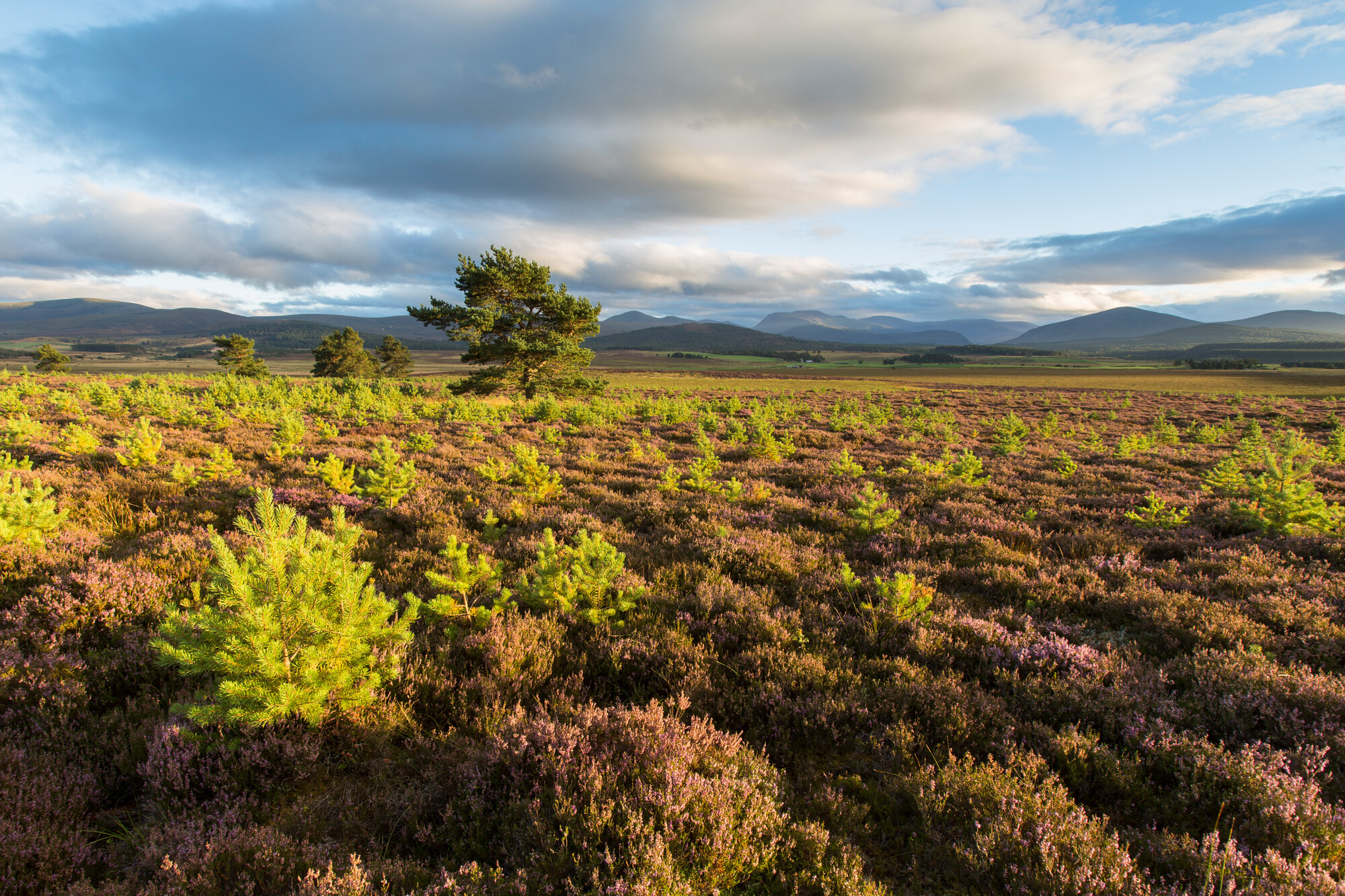
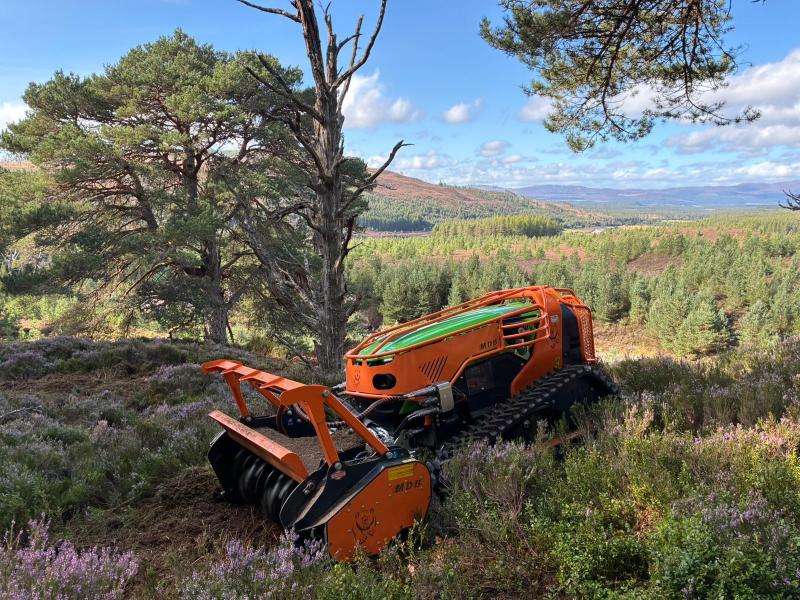
Hundreds of hectares of dense heather have already been cut using remote-controlled robocutters, with more work underway. These machines can tackle up to a hectare a day – far faster than grazing alone. And when capercaillie urgently need better habitat, that speed matters. Heather is important too, so the aim isn't to remove it altogether, but to create a healthy mix of plants, open patches and shelter.
Grazing and robocutting may also help reduce wildfire risk by reducing fuel load.
None of these approaches is right everywhere. Too much grazing, or cutting in the wrong place, can do harm to some habitats.
It's not about choosing a winner. It's about understanding what deer, cattle and robocutters each bring to our woodlands – and finding the right balance for wildlife.
A public consultation is now open for the next Cairngorms National Park Partnership Plan, giving people the chance to play a part in shaping the next five years of priorities for the UK’s largest National Park. The draft Partnership Plan 2027 - 32 is the most ambitious yet and is built around three missions: Nature and climate resilience, Communities and A National Park for all.
The informal consultation runs until 13 January 2027. To read the draft plan and accompanying environmental report, and take part in the consultation, visit: cairngorms.co.uk/partnershipplan

More news and views
-
Cairngorm Mountain toboggan track approved
-
Creative expression and iconic shots
-
Cairngorms Creative Collective goes global
-
Bike bus network expands across the Cairngorms National Park
-
Campfires and barbecues reduced by 70% through byelaw
-
Come and meet us!
-
Draft Partnership Plan consultation goes live
-
Time well spent as we stop to blether about farm realities