Scotland’s Climate Week: net zero and peatland restoration in the Cairngorms National Park
What does ‘net zero’ mean?
The term ‘net zero’ is often used when discussing climate change and global warming, but what does it mean? Google says, ‘a target of completely negating the amount of greenhouse gases produced by human activity, to be achieved by reducing emissions and implementing methods of absorbing carbon dioxide from the atmosphere.’
That’s not the easiest definition! How would you go about explaining it?
In my mind, the analogy is ‘calories in and calories out’. We need to have fewer emissions than we are currently creating and balance them out so that overall, it’s zero. We want to capture greenhouse gases and store them rather than emit them so that the in and the out can equal (and eventually fall below) zero.
So, when we’re talking about ‘emissions’, we’re talking about putting greenhouse gases into the atmosphere. In relation to net zero, what are these gases, and why do they matter?
Greenhouse gases are the ones that exacerbate climate change. They’re often ‘carbon heavy’, and from a peatlands point of view, the main ones we’re talking about are carbon dioxide, methane and nitrous oxide. They are the ones that, in too great of a quantity or an imbalanced quantity, are being released into the atmosphere and impact on how the planet can regulate itself.
What does it mean if we don’t reach net zero? Why is it important that we do?
My personal take is that a lot of scientists have been looking at the health of the planet and predicting what would happen if we continue with our current level of emissions. They’ve come up with this equation that says what we have to reach net zero by a certain date; if we don’t reach it by that point then actually surviving on planet Earth for a lot of people is going to become almost impossible. So it’s a huge issue that is probably too scary for a lot of us to think about in those terms, but it’s also a big deadline. It’s a giant clock that is ticking down. I’ve got kids, so that’s my perspective on it. It’s about having a habitable planet for the future.
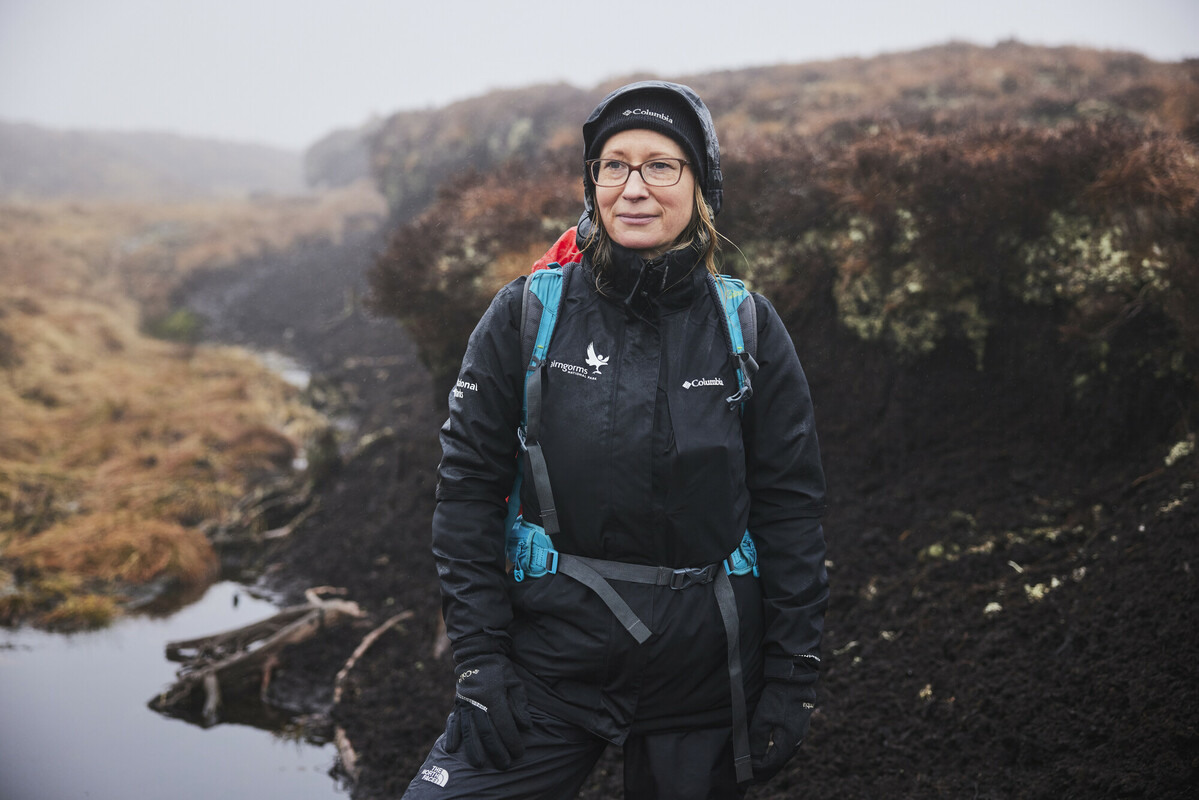
You are the Park Authority’s Peatland Action Operations Manager. What is a peatland, and how does it relate to net zero?
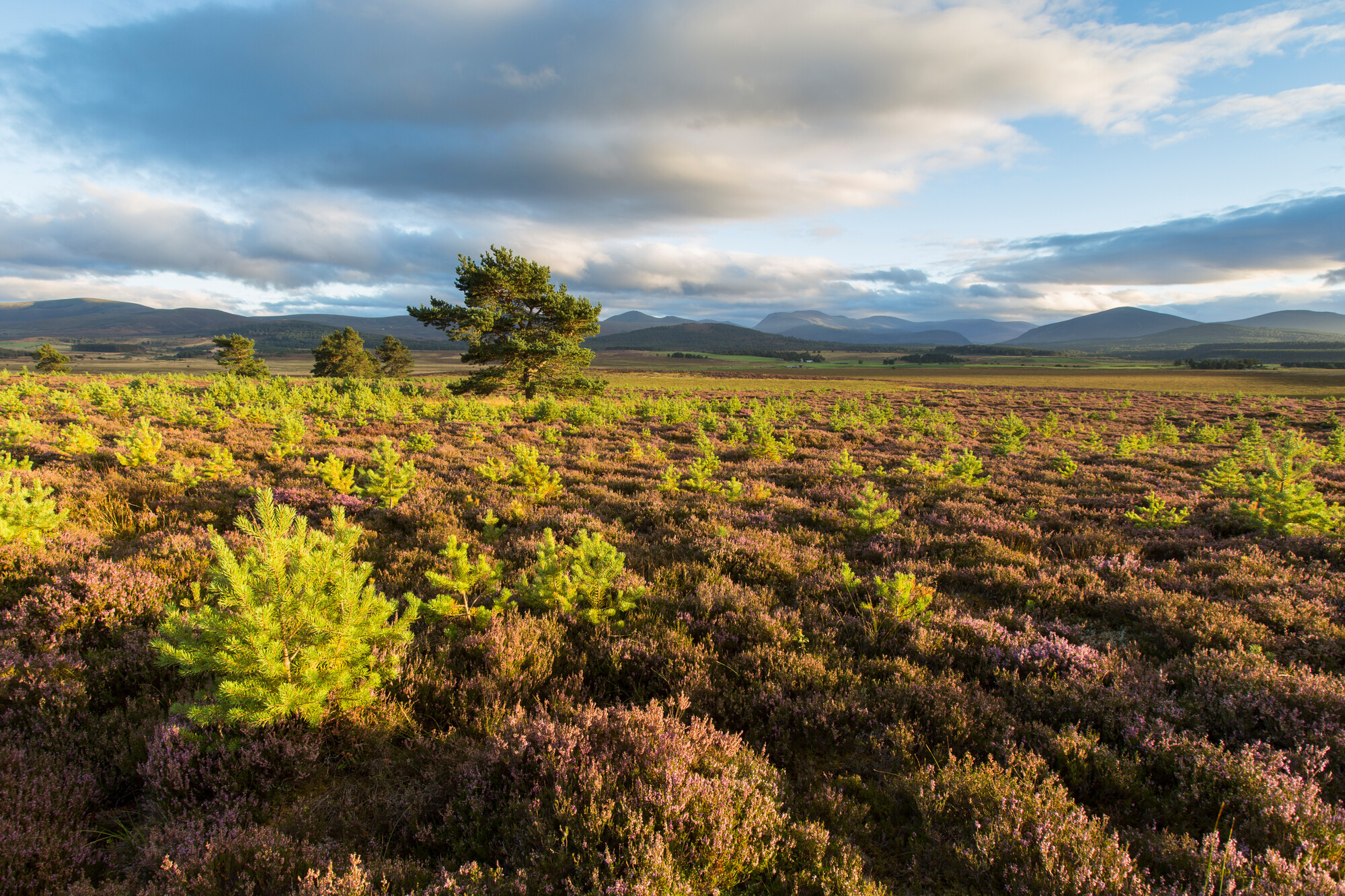
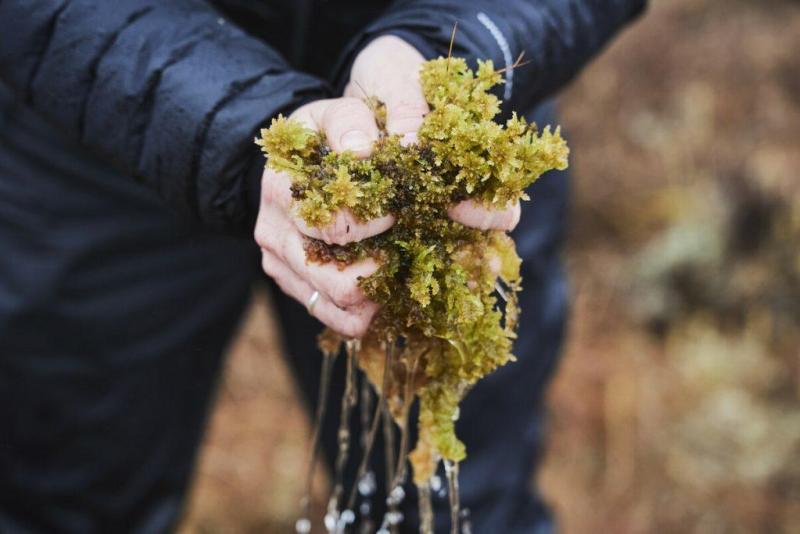
Peatlands tend to be waterlogged areas of ground and are made up of layers and layers of plant material, which haven’t had the chance to break down properly. You need moist and cool environments, which is why Scotland has so much peatland.
It’s layers of plants that have not decomposed that are laid down over 1,000s of years and it just gets deeper and deeper and deeper; because these plants are made of carbon, it acts as a carbon store. And as long as the inputs and outputs are allowed to continue, it’ll keep building. But if we change the environment they will not be able to keep building, and will become unhealthy and damaged.
I think the amount of peat that we’ve got in Scotland out there on the hills is equivalent to something like 140 years’ worth of Scotland’s greenhouse gas emissions, so that’s what’s at stake. And whether it’s in good condition or bad condition determines whether the carbon is staying in there or being released into the atmosphere.
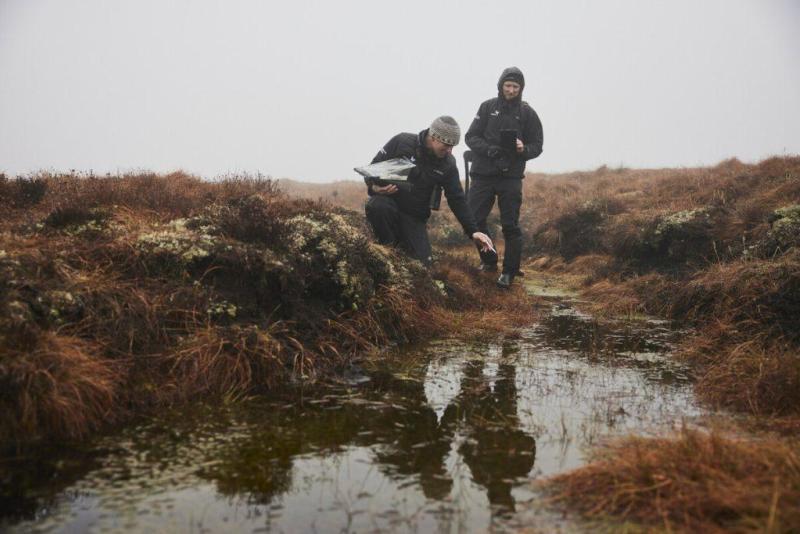
If peatlands are big carbon stores, keeping greenhouse gases out of the atmosphere, how could a peatland release its carbon? What would have to happen for that to begin?
I explain it like this: if you think of your body covered by your skin – your skin is the layer of plants growing on top of the peat and the bog is everything underneath your skin. If your skin is damaged, the part of your body underneath the skin is left unprotected and vulnerable. And that’s what happens to peat bogs when the vegetation that covers them is damaged and exposes the peat: it’s lost its protection. Peat is very sloppy and soft; it’s not bound together because it’s not soil, so it’s very vulnerable if it’s open to the wind and the rain or animals walking across it. The other thing that damages peatlands is anything that will drain moisture from them, like a ditch or channel.
You start losing the peat when it’s no longer stored in place with a plant layer and moisture, and it will start to be moved away because the rain will wash out. Chunks and little particles of peat will start to dissolve and wash away every time it rains.
Peat ends up in burns and the water courses and the river systems, and that then causes problems in terms of the health of those water systems. It also causes problems for drinking water supplies – most of our drinking water in Scotland is filtered through peatlands at some point – and it’s quite expensive to get that brown peaty colour out of drinking water.
Sometimes peat can get blown off hills when it’s really exposed. When there’s not much vegetation left it becomes this crumbly dust that just blows away. You can lose centimetres of depth every year from peatlands that are completely exposed.
How do we fix a peatland?
We’re trying to make peatland in the National Park somewhere plants are growing again, and these peatlands are soggy and wet. Everything that we do is aimed at those two things. If you’ve got the vegetation and moisture you’ve got a happy peatland. No matter how technical it gets, fundamentally that’s what we’re aiming to do.
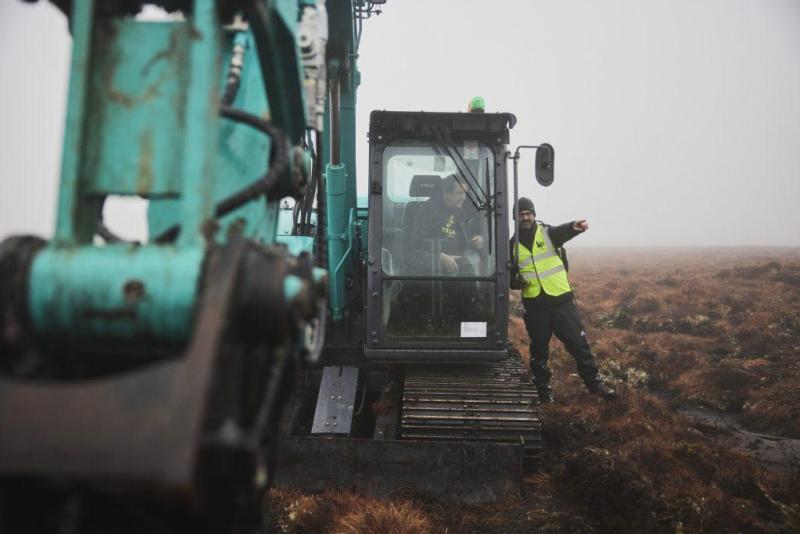
How do we stop a peatland from releasing its carbon?
Our main tools, I suppose, are diggers that are specially adapted to have wide tracks so that they don’t squash anything. We are looking to reshape the landscape, creating shapes that will help trap the water. I think it is a little bit like when we used to guddle about in burns and rearrange the stones to make little pools or a waterfall or a bridge. That’s what we are trying to do, to reshape it so that they can start to trap water again and hold it on the hillside for as long as possible. As well as holding water, we want to make shapes that the plants find easy to grow on. Plants find it difficult to grow on a vertical face, so we want to make smooth shapes that plants can grow on so that ‘skin’ can be repaired.
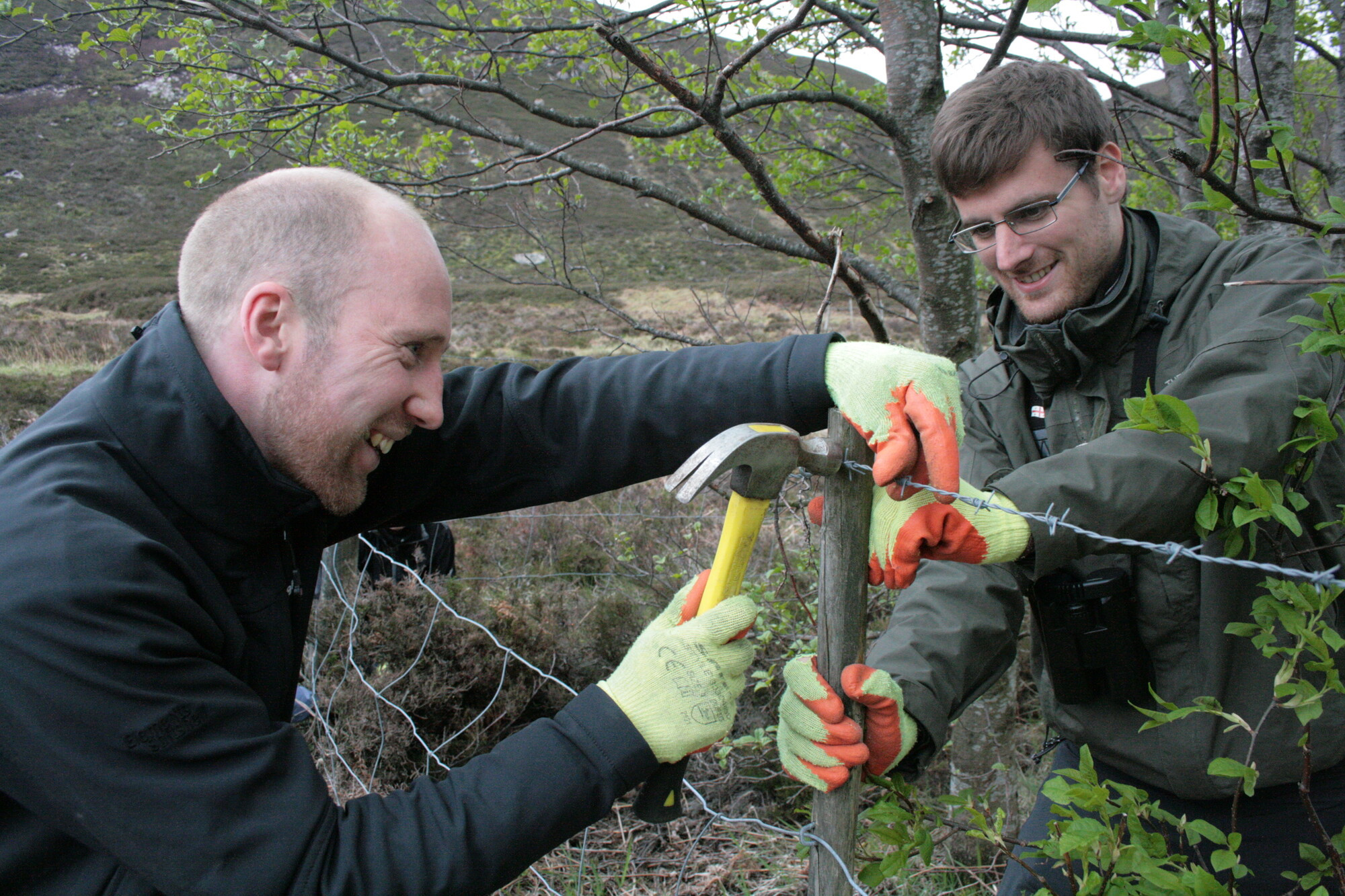
There are some parts that diggers just cannot get to and that’s where people come in with materials and tools to work in places the diggers can’t access.
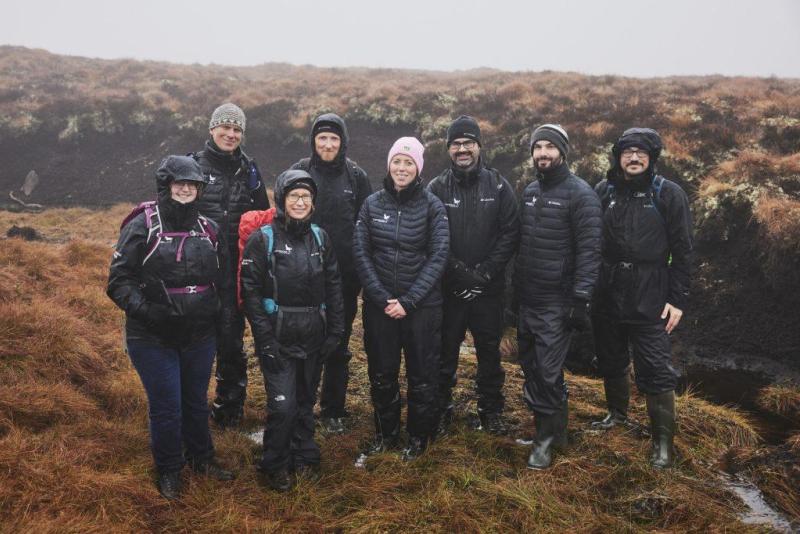
This sounds like a huge job, can it be done?
It’s a partnership! Scottish Government has provided funding as part of the Climate Change Action Plan, committing £250 million over 10 years for peatland restoration between 2020 and 2030. We administer that funding through a grant scheme. The Cairngorms 2030 programme, supported by The National Lottery Heritage Fund, will also see a specific peatland restoration project taken forward.
But we can’t do any of this on our own. We couldn’t do anything without landowners and contracting firms willing to work on peatland restoration with us and we’re so lucky in the National Park that there’s massive amounts of support from landowners for peatland restoration. It very much is a partnership: it can take quite a lot of ongoing communication and input from the Factor or the Keeper or both, and sometimes the Estate owner, their Agents – everyone pulls together to make these projects happen.
Find out more about net zero goals in the Cairngorms National Park here on our Partnership Plan microsite.
You can also learn more about the Cairngorms National Park Peatland ACTION Programme here on our website.

More news and views
-
Come and meet us!
-
Draft Partnership Plan consultation goes live
-
Time well spent as we stop to blether about farm realities
-
Go ahead for Slugain Burn project
-
Restoring high altitude peatlands
-
The King visits Lochan Uaine
-
Conference puts national spotlight on conservation in Cairngorms
-
LDP Evidence Report agreed by Scottish Government